Train staff for new automated SMT equipment using role-based training, on-machine drills, clear quality rules, and a simple metrics board to reduce stops and speed ramp.
You finally get the new automated SMT gear on the floor. The crates look great. The demo video looked easy. Then Monday hits, the line starts, and people freeze. Not because they’re lazy. Because automation changes how work feels.
If you train the team like it’s “same job, new machine,” you’ll get slow changeovers, weird stops, and a lot of late-night firefighting. If you train by role, by real tasks, and by real line metrics, you’ll ramp faster and stay stable.
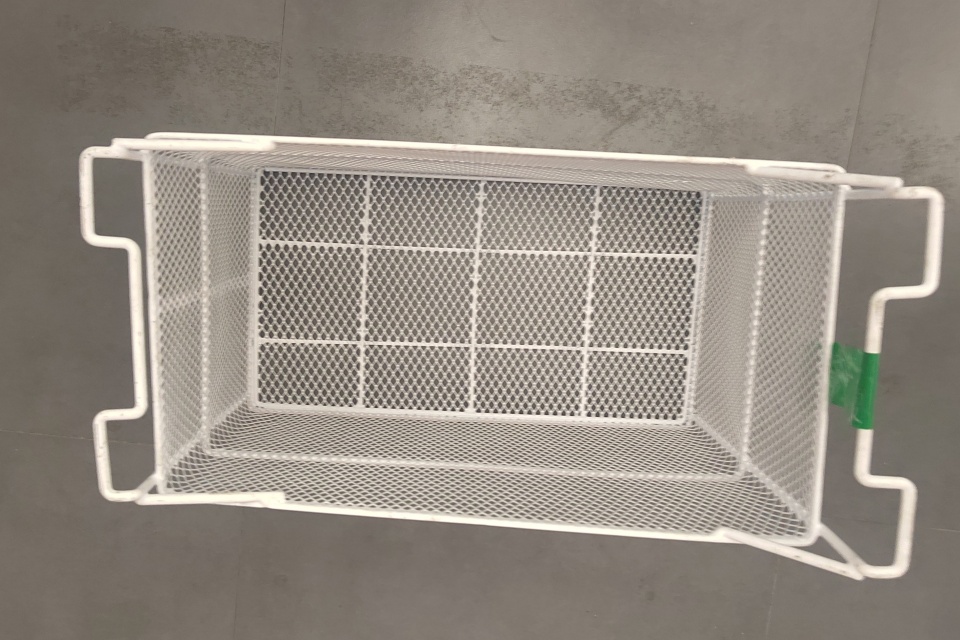
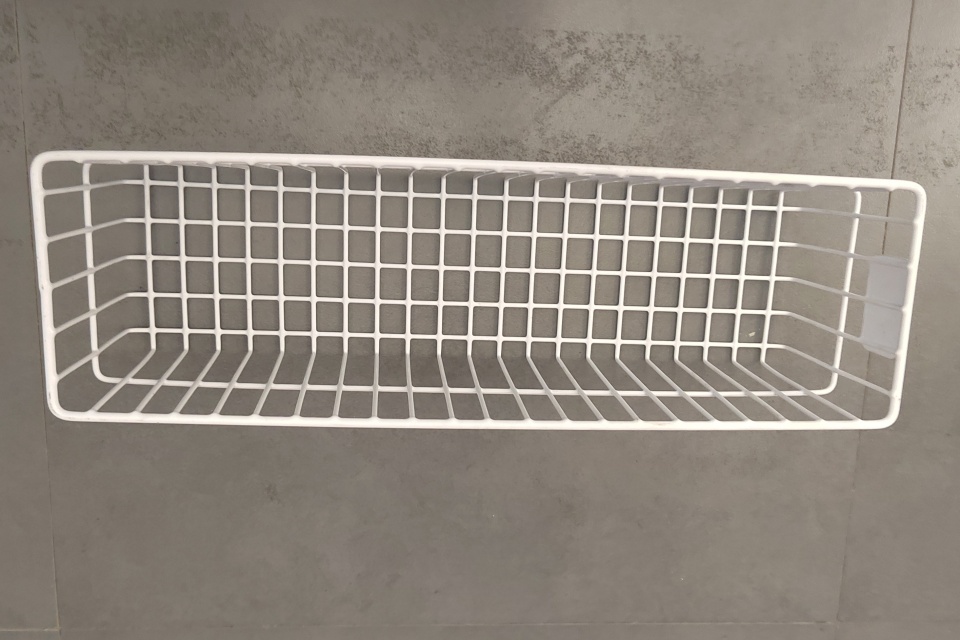
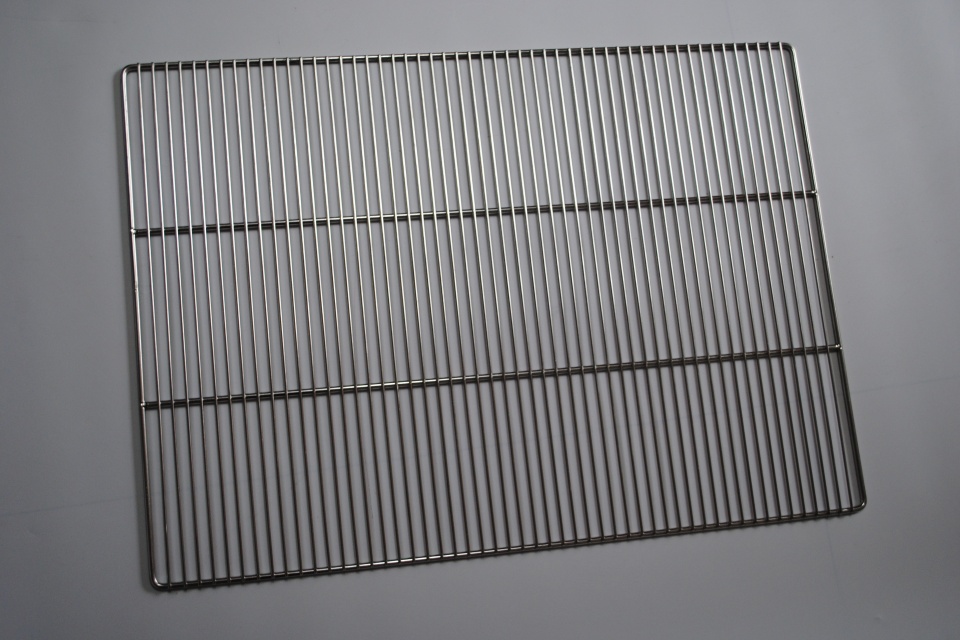
And yep—this mindset also fits how we run production in wire products. When you build رفوف سلكية للمجمدات and cold storage components, you don’t “wing it.” You lock in process, quality, and repeatability. Same thinking, different line.
جدول المحتويات
Role-Based Training
Operator Training
Operators need fast confidence. They don’t need every deep setting on day one. Train them on:
Safe start/stop, E-stop, interlocks
Basic alarms and what لا to touch
Loading and verifying feeders/material
“Golden board” handling and first-off checks
When to call engineering vs when to recover
If an operator can’t explain the top five alarms in plain words, the line will stall for tiny issues.
Setup and Changeover
Changeover is where good lines go bad. Train setup techs on:
Feeder kitting and line-side staging
Program selection and revision control
Offline setup vs on-line swap (keep the line moving)
First article checks and sign-off
People talk about “speed.” In real life, setup speed comes from clean routines. Not hero moments.
Process Engineering and Program Verification
Automation doesn’t remove process work. It shifts it upstream. Train engineers on:
You want fewer “mystery stops.” You get that by doing boring PM stuff on time.
Setup and Changeover
Feeder Management
Feeders are the sneaky bottleneck. Teach a simple rule: one owner, one label, one home.
Label every feeder and kitting cart
Standardize pickup locations
Use “red tag” for suspect feeders (don’t hide problems)
When feeders wander, your schedule goes with them.
Program Change Control
Use a clear rule: no “quick edits” on the line without tracking. Even a small tweak needs:
Who changed it
Why they changed it
Which product it impacts
How to roll back
It sounds strict. It saves you later, trust me.
IPC-A-610 Acceptance Criteria
Quality Standards Training
People can’t hit a target they can’t see. Teach quality using:
Photos of acceptable vs non-acceptable joints
Common SMT defects (tombstoning, bridging, opens, voids)
A shared defect library that matches your products
This also connects to our wire shelving world. When we build racks for التخزين البارد, we align on acceptance too—coating coverage, weld integrity, fit-up. Same principle: one standard, not five opinions.
First Pass Yield Thinking
Don’t just train “how to fix defects.” Train “how to prevent defects.”
If the team only learns rework, they’ll keep making the same mistake again and again. Thats a trap.
On-Machine Training
Hands-On Drills
Do short drills on the actual line:
Alarm recovery drill (safe and controlled)
Feeder swap drill
“Wrong part loaded” drill
First article verification drill
Keep it short. Make it repeatable. People learn faster when their hands move.
Buddy System
Pair a new operator with a calm, steady lead. Not the loudest person. A steady lead builds habits that last.
Micro-Learning
Drop tiny lessons into the week. Ten minutes. One topic.
Example: “Today we fix two common feeder faults.” Done.
Training Metrics
OEE, FPY, Changeover Time
If you don’t measure it, you can’t prove training worked. Here’s a practical scoreboard.
Metric
ما الذي يخبرك به
What “better” looks like
Who owns it
OEE
Overall line health
Fewer nuisance stops, smoother pace
Ops + Engineering
FPY (First Pass Yield)
Quality at the source
Less rework, fewer escapes
Quality + Process
Changeover Time
How fast you switch models
More offline prep, fewer surprises
Setup + Planning
MTTR
Repair speed
Faster fault isolation
الصيانة
Top 5 Stop Reasons
Where time leaks
Fewer repeat alarms
Everyone
Keep the list small. If you track 40 things, you track nothing.
Common Shop-Floor Pain Points
“Nuisance Stops”
Automation loves to stop for tiny reasons. Don’t blame the machine first. Teach people to ask:
Is it a sensor dirty?
Is it a feeder drag issue?
Is it a worn nozzle?
Is the part in spec?
Most “random” stops aren’t random.
Recipe Control
Lock your “known good” settings. Use a simple rule: test changes off-line or on a controlled run. Don’t change three things at once.
ESD and Handling
Even in a clean factory, people get casual. That’s when failures sneak in. Train ESD like seatbelts: boring, always on.
مُصنِّع أرفف سلكية مخصصة مع موك منخفض (50 مجموعة). طلبات مرنة من مصنعي المعدات الأصلية والموزعين، ورفوف ذات قوة صناعية مصممة خصيصًا وفقًا لمواصفاتك.
دورة التسليم والدعم
إنتاج سريع وشحن عالمي. دعم على مدار الساعة وطوال أيام الأسبوع، وخدمات لوجستية موثوقة للتبريد ومكونات المجمدات ورفوف أسلاك المشروبات في جميع أنحاء العالم.
الجودة والشهادات
مورد أرفف معتمد من ISO 9001 و NSF و CE. تضمن الرقابة الصارمة على الجودة الصارمة وجود رفوف سلكية صناعية متينة ورفوف للمشروبات في جميع أنحاء العالم.