
You don’t build an SMT line just for today. You build it for the next rush order. The next new product. The next customer who says, “Can you double output… by next quarter?”
If your line grows like a messy closet, you’ll waste time every time you expand. You’ll add one machine, then spend weeks fighting handshakes, jams, weird stops, and “why does AOI not talking to anything?”
A modular SMT line avoids that pain. You treat the line like LEGO. You snap in a new module, and the rest of the line stays calm.
And yes, the factory floor matters too. Expansion isn’t only about machines. It’s also about how you stage reels, feeders, paste, and WIP. That’s where good storage systems pay off, especially when you run mixed models and you need clean, repeatable kitting.
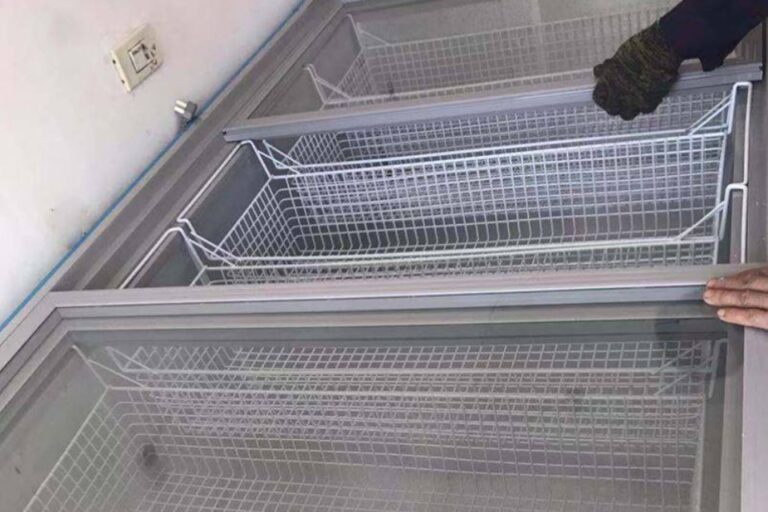
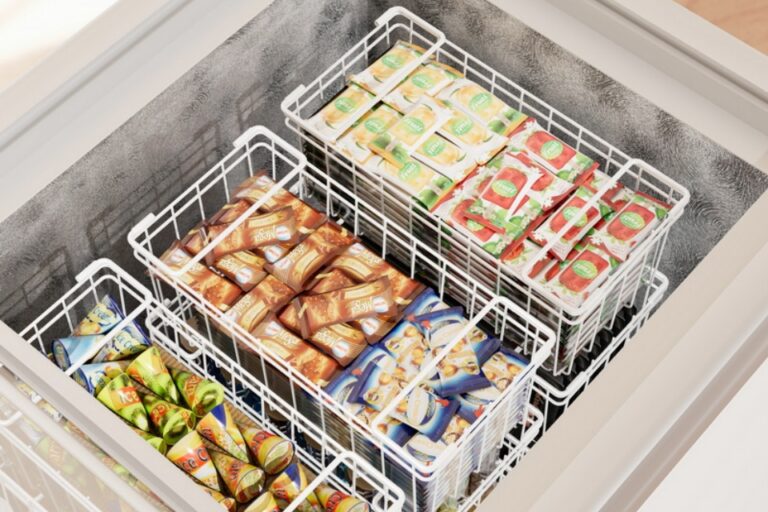
For cold-chain items like solder paste, you also need reliable cold storage organization. A simple example: using Kühllagerraum Mehrschichtige Drahtregale to keep paste lots separated, labeled, and easy to pick. When you expand, you don’t want your material flow to become a guessing game.
Below are the core ideas that make modular expansion actually work.
SMT line modular design
A “modular line” means you can:
- Add a new machine without rewiring the whole line
- Swap a process step without breaking upstream/downstream flow
- Run parallel modules when you need more throughput
- Keep the same rules for data, traceability, and changeover
Think of your line as small blocks:
- Solder paste printing module
- SPI module
- Placement module
- Reflow module
- AOI module
- Buffer / conveyor / magazine module
You’re not building one long tunnel. You’re building a set of stable stations with clear inputs and outputs.
IPC-HERMES-9852 standard
If you want easy expansion, you need clean machine-to-machine communication. Otherwise every new machine becomes a custom integration project.
Hermes (IPC-HERMES-9852) helps because it shares board-related info between machines. That matters when you add:
- A second AOI
- A new buffer
- A new downstream diverter
- Another placement module for more capacity
When machines can pass board identity and basic transport info in a standard way, your “snap-in” expansion becomes real, not a dream.
Practical scenario:
You add a new AOI after reflow. With a proper Hermes setup, the AOI can receive board info and keep the flow smooth. Without it, you end up doing manual setup, barcode workarounds, and mystery rechecks.
SMEMA interface
Some lines still rely on SMEMA signals. It’s simple. It works. But it doesn’t carry much meaning. It’s like two people saying “go / stop” with hand gestures, and nothing more.
SMEMA can be fine for basic transport. But when you expand, you often want:
- Better traceability
- Fewer manual steps
- Faster program switching
- Cleaner line balancing
So if your line still uses SMEMA, plan your migration path. You don’t need to rip everything out. You can phase it.
IPC-CFX (IPC-2591)
Hermes helps board flow. But expansion also needs data. That’s where IPC-CFX (IPC-2591) shows up.
CFX supports equipment-to-system data exchange. In simple words: machines can report what they’re doing, what they just did, and what went wrong.
If you expand without data, you’ll “feel” like you improved capacity. Then you’ll get hit by:
- hidden downtime
- repeat defects
- WIP piles in random places
- slow root-cause finding
CFX-style data flow supports a line that grows without growing chaos.
Reflow oven bottleneck
Here’s a common expansion mistake: you add a faster placement module, and nothing improves.
Why? Because reflow often sets the limit.
Reflow doesn’t speed up just because you bought another mounter. You have profiles, soak time, peak, conveyor speed. You also have board size limits. So you have to treat reflow like a capacity gate.
What to do instead:
- Measure each module’s effective cycle time
- Identify the slowest station (not the loudest station)
- Expand the bottleneck first, or add buffers to protect it
Sometimes the right move is not “another placement machine.” Sometimes it’s better buffering, smarter dispatch, or a second reflow path for certain products.
Umstellungszeit
If you run mixed models, changeover eats your day. Expansion makes it worse if you don’t standardize it.
A modular line needs a modular changeover method:
- feeder setups that follow a repeatable plan
- offline kitting so the line doesn’t wait
- clear program version control
- first-article checks that don’t depend on one expert
Real shop-floor talk:
If only one person can do the setup “the right way,” your line isn’t scalable. Your line is fragile.
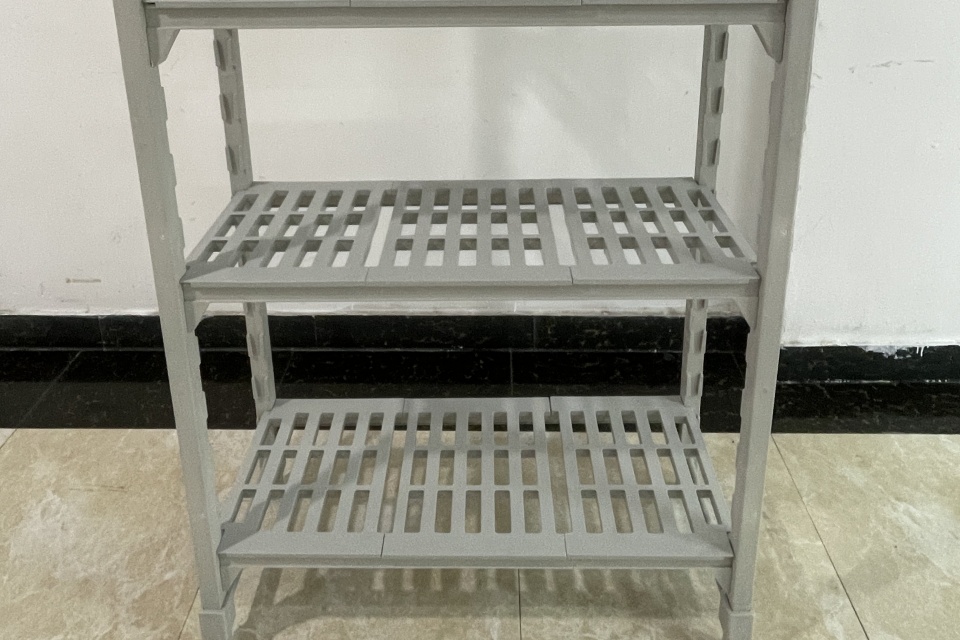
Dies ist der Ort, an dem staging and storage matters. You want reel sets, nozzles, and feeders organized so teams can grab-and-go. Many teams treat Drahtregale like a boring detail. Then they lose 30 minutes per changeover looking for parts. That’s not small.
WIP control
When you expand, WIP can explode. Not because your people are bad. It happens because more stations create more waiting points.
A modular line needs clear WIP rules:
- Where can boards wait?
- How many can wait there?
- Who triggers replenishment?
- When do you stop feeding the line?
If you don’t control WIP, you’ll see two bad things at once:
- Downstream waits for boards
- Upstream keeps running and stacks boards anyway
That’s how you get “we’re busy all day” and still miss ship dates.
AOI and SPI modular inspection
Expansion multiplies defects if you don’t catch them early.
Treat SPI und AOI like snap-in quality gates, not optional extras.
- SPI protects you from paste issues before you place parts.
- AOI catches placement and solder issues after reflow.
When you add capacity, you also need inspection capacity. Otherwise quality becomes the new bottleneck, and your “expansion” becomes a rework factory.
Expansion readiness scorecard
Here’s a simple data table you can use in planning meetings. No cost numbers. Just reality checks.
| Area | What “modular-ready” looks like | Risk if you ignore it | Quick test |
|---|---|---|---|
| Board handoff | Hermes-capable transport messaging | Hard integrations for every new machine | Can a new module read board identity automatically? |
| Basic transport | SMEMA exists only as fallback | Stop/start fights, jams, manual babysitting | Do you need manual “line reset” daily? |
| Data layer | CFX-style equipment reporting to systems | No visibility, slow troubleshooting | Can you explain downtime by category, not by guess? |
| Bottleneck plan | Reflow + inspection capacity is planned | More mounters, same output | Does reflow set your true throughput today? |
| Changeover | Offline kitting + standard checklist | Expansion slows changeovers even more | Can a new operator do setup with low drama? |
| WIP rules | Defined buffers and WIP limits | Piles, lost boards, late shipments | Do boards wait in approved spots only? |
| Quality gates | SPI/AOI are scalable modules | Rework grows faster than output | Does inspection keep up when you add speed? |
Use this as a quick “are we ready?” test before you buy the next machine.
Cold storage solder paste handling
Let’s talk about a very real expansion headache: paste and other cold-stored materials.
If you expand output, you increase paste usage. You also increase lot count. If you store paste like “whatever fits in the fridge,” you’ll mess up:
- lot separation
- FIFO discipline
- pick speed
- traceability confidence
This is one reason teams use structured shelving in Kühlräume. Kühllagerraum Mehrschichtige Drahtregale supports clear binning, labeling, and airflow-friendly organization, which helps reduce mix-ups during fast changeovers. You can keep paste lots separated by job, by line, or by date. You can also stage “next run” kits without turning the cold room into a traffic jam.
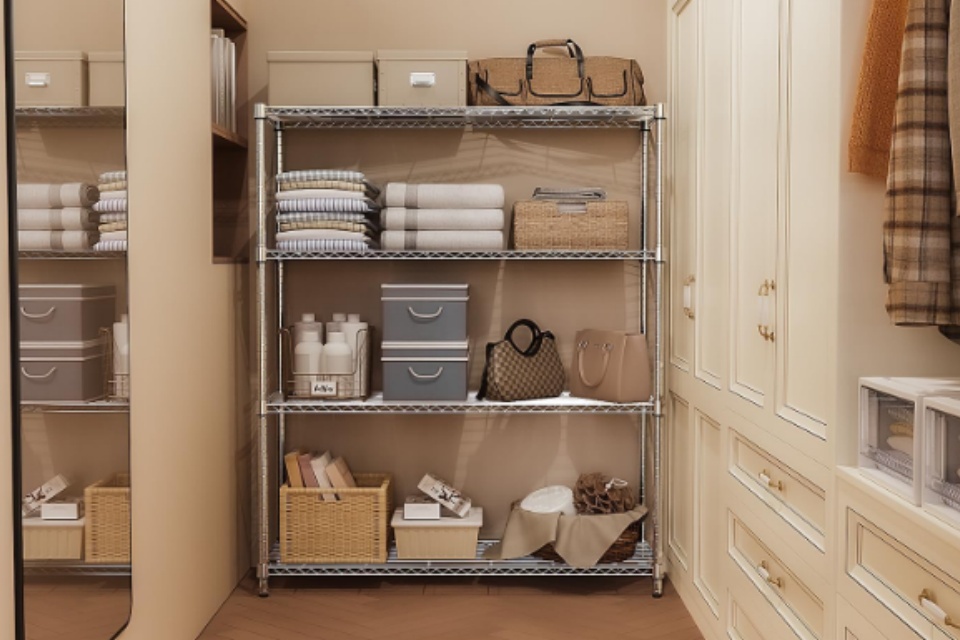
That’s also where QIAO fits in naturally. If you’re building a scalable SMT operation, you need scalable storage and material flow. Custom ODM/OEM wire shelving makes it easier to match your space, your load needs, and your process rules. You bring a layout, or the team helps design one that actually matches how your operators move.
Final take
A modular SMT line isn’t a buzzword. It’s a promise you make to your future self.
You don’t want expansion to feel like surgery. You want it to feel like adding another lane to a road that already has signs, rules, and good traffic flow.
So build it this way:
- Standardize board handoff with IPC-HERMES-9852
- Plan your data layer with IPC-CFX (IPC-2591)
- Treat SMEMA as basic transport, not your long-term brain
- Expand the real bottleneck (often reflow or inspection)
- Make changeover repeatable, not personal
- Control WIP so expantion doesn’t create piles
- Scale inspection like you scale placement
- Keep material staging clean, including cold storage organization for paste
Do that, and when the next “can you ramp fast?” request hits, you’ll say “yes” without sweating.