Spot early feeder tape and belt wear, follow safe replacement steps, and keep spares organized with rear wire shelving and protection mesh to avoid line stops.
You don’t replace feeder tapes and belts because you feel like “doing maintenance.” You replace them because your line starts talking to you. It talks in missed picks, weird pitch errors, and that ugly moment when the operator says, “This feeder is acting up again.”
If you build boards for refrigeration controllers, display cabinets, or freezer units, you already know the pain. A tiny feed problem can snowball into rework, AOI flags, and a line stop. So let’s keep it simple and practical.
Along the way, I’ll also show how a clean parts-storage setup (like Hinteres Drahtregal und Verdichter-Schutzgitter) helps you run maintenance faster and with less chaos—because hunting parts is also downtime. And yeah, QIAO sees this in real factories every week.
Inhaltsübersicht
SMT Feeder Tape Wear Signs
Feeder “tape” issues usually show up before the feeder fully quits. You just have to notice the pattern.
Missed Pick And “False Pick” Symptoms
You’ll see:
More “picked nothing” alarms.
Parts skewed on the nozzle.
Intermittent mis-picks that vanish after a restart (then come back… surprise).
Shop-floor talk: when the throw rate creeps up, it’s not “bad luck.” Something is slipping, dragging, or wobbling.
Component Pitch Error And Index Drift
If your placement head looks fine but parts land slightly off, think about the feed path:
The tape doesn’t advance clean.
The cover tape peels unevenly.
The pocket doesn’t stop where it should.
When you see index drift, don’t just keep tweaking offsets. That’s like steering a car with a flat tire.
Feeder Belt Wear Signs
Belts are sneaky. They can “work” while quietly killing consistency.
Slipping, Jerky Motion, And Noise
Watch for:
A feeder that advances in tiny jerks instead of a smooth move.
A light squeal or a “rubby” sound.
Dust or black belt debris near the drive area.
If you can smell hot rubber (yep, it happens), the belt might be done.
Inconsistent Advance Under Load
Belts often fail first when the feeder works harder:
Wider tape
Higher speed
Heavier take-up load
So your line might run fine at slow speed, then fail during peak output. That’s why operators say, “It only fails on night shift.” The feeder ain’t haunted. It’s stressed.
Preventive Maintenance Cycle Count And Reel-Based Checks
You need a trigger that isn’t “when it breaks.”
After Every Reel Checks For Tape Path Debris
A simple habit pays off:
After each reel, clear scraps.
Remove tiny punched sprocket bits.
Wipe dust and adhesive gunk.
This stops 80% of random jams. It’s boring, but boring is good.
Scheduled Service Intervals For Drive Systems
If your feeder vendor gives you a cycle-based schedule, use it. If they don’t, create one:
Track feeder cycles or feeder-hours.
Group feeders by duty level (high-run vs low-run).
Replace belts earlier on high-run feeders.
You’ll feel the difference in OEE. Not magic. Just less chaos.
How To Replace Feeder Belts
This part sounds scary, but it’s mostly “don’t rush it.”
Lockout Tagout Before Feeder Maintenance
Before you open covers or reach inside moving parts:
Power down the machine.
Follow your site’s lockout/tagout rule.
Confirm nothing can move.
No board is worth a finger. For real.
Belt Replacement Steps And Tension Basics
Typical belt swap flow:
Remove the feeder from the machine.
Open the cover.
Release the tension (don’t force it).
Remove the worn belt(s).
Clean pulleys and nearby surfaces.
Install new belt(s) and route correctly.
Set tension to spec (not “as tight as you can”).
Hand-cycle the mechanism slowly.
Reassemble and test feed with a short tape.
Small tip: take a quick photo before you remove anything. You’ll thank yourself later.
Also, don’t pinch wires when closing the cover. People do this all the time, then blame “bad feeder design.” It’s not design, it’s rushed hands.
How To Replace Feeder Tape Path Parts
“Tape path” can mean guides, rails, peel points, and little wear surfaces that touch the carrier tape.
Cleaning First, Replacing Second
Start with cleaning because dirt can look like wear:
Clear debris inside the guide.
Check peel area for adhesive buildup.
Remove any bent tape scraps.
If cleaning restores smooth movement, great. If it still sticks or feels rough, stop babysitting it.
Guide Rail Replacement When Motion Binds
If the guide rail feels stuck, gritty, or loose:
Replace it.
Don’t keep “working it free.”
A binding guide can turn into feeder jams, torn tape, and component loss. And it always happens during your hot job, not the easy one.
Feeder Troubleshooting Decision Table
Use this table on the line. It keeps decisions fast.
Symptom you see
Wahrscheinliche Ursache
Quick check
Replace now?
What to replace
Missed picks rise slowly
Debris in tape path, peel issue
Inspect guide + peel point
Maybe
Clean first, then tape path parts if it returns
Random pitch errors
Index drift or slipping drive
Run slow vs fast test
Yes if speed-sensitive
Drive belt(s)
Jerky advance
Belt wear or pulley contamination
Look for belt dust, check tension
Usually yes
Drive belt(s)
Tape tearing
Sharp edge, worn guide, bad peel geometry
Inspect rails + peel surface
Yes
Tape guide/rail/peel parts
Feeder “works” only after resets
Intermittent slip or drag
Repeat test with same reel
Yes if repeatable
Belt or tape path parts
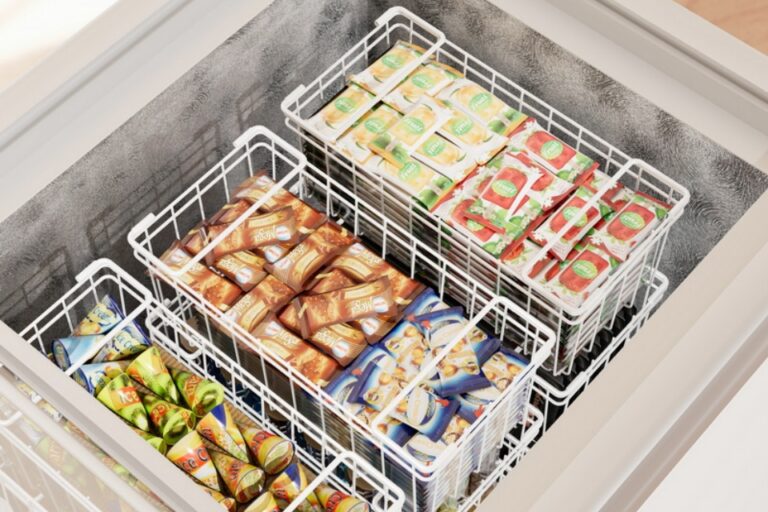
Spare Parts Staging With Rear Wire Shelving
Here’s the part many teams ignore: you can do perfect maintenance and still lose time if parts storage is messy.
If you build refrigeration units or cabinets, you already use structured storage for hardware. Do the same for SMT spares.
This is where QIAO’s OEM/ODM approach helps too. If your feeder carts or bins don’t fit standard shelves, you can design around your real workflow, not around “whatever was cheapest.”
Protecting Maintenance Areas With Compressor Protection Mesh
If your factory also builds or services refrigeration equipment, you already know why physical protection matters. The same mindset applies in maintenance zones.
Hersteller von kundenspezifischen Drahtregalen mit niedrigem MOQ (50 Sets). Flexible OEM- und Händlerbestellungen, auf Ihre Anforderungen zugeschnittene Regale in Industriestärke.
Lieferzyklus & Unterstützung
Schnelle Produktion und weltweiter Versand. 24/7-Support, zuverlässige Logistik für Kühl-, Tiefkühlkomponenten und Getränkedrahtregale weltweit.
Qualität und Zertifizierungen
ISO 9001, NSF & CE zertifizierter Lieferant von Regalen. Strenge Qualitätskontrollen gewährleisten weltweit langlebige industrielle Drahtregale und Getränkeregale.