
You can buy fast machines. That part is easy.
The hard part? Making the whole line stay fast when real life shows up. A feeder runs empty. A stencil wipes mid-run. A reel gets parked “somewhere safe.” An operator hunts for a torque driver like it’s hide-and-seek.
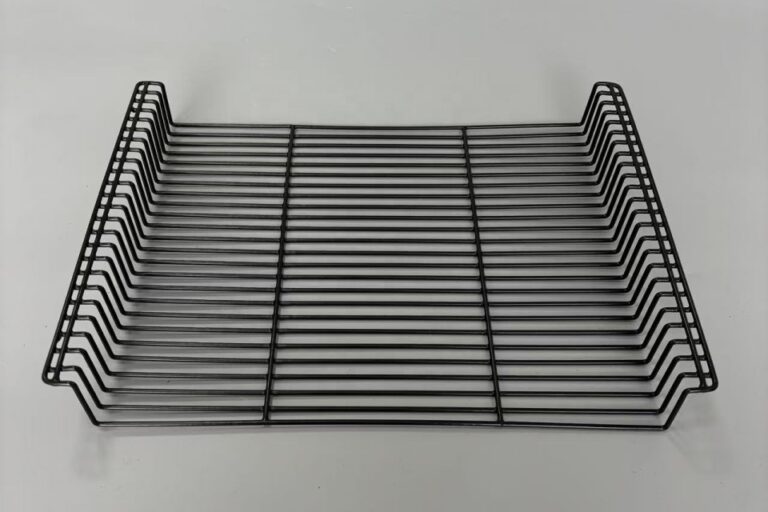
This case study looks at a high-speed SMT electronics assembly line build where we treated material flow + changeover + line-side organization as first-class engineering problems, not afterthoughts. And yes, we’ll talk about étagères en fil de fer, because that “boring” hardware can stop a million-dollar line from idling for dumb reasons.
On our side, we lean on what we do every day at Services de fabrication de rayonnages métalliques sur mesure—ODM/OEM wire shelving for retail, warehouse, labs, and also tough production floors that hate corrosion and love short lead times.
Table des matières
High-Speed Electronics Assembly Line KPIs (OEE, FPY, DPM) come first
Before we touched equipment layout, we set clear line KPIs:
- OEE (Availability × Performance × Quality)
- FPY (First Pass Yield)
- DPM (Defects per million)
- Temps de changement (SMED-style)
- Line stoppage minutes per shift
- Material search time (yes, we measured it)
If you skip this, you’ll end up “feeling busy” but not moving boards.
OEE isn’t a vibe, it’s a scoreboard
We used OEE to separate three different problems:
- Availability: downtime, changeovers, waiting on material
- Performance: running slower than rated speed
- Qualité: rework, scrap, escapes
When the line misses target, OEE tells you where it hurts. No guessing.
High-Speed SMT line architecture (Printer, SPI, Pick-and-Place, Reflow, AOI)
We kept the classic SMT flow:
- Impression de la pâte à braser
- SPI
- High-speed pick-and-place
- Reflow
- AOI
- Buffering + board handling
Nothing fancy here. The “fancy” part came from how we reduced micro-stops and changeover chaos. That’s where the line either wins or gets crushed.
Inline SPI and AOI reduce “late surprises”
We pushed inspection upstream so defects didn’t travel. If SPI catches a paste issue early, you don’t bake the mistake through reflow and then “discover” it later. That saves time and keeps the line steady.
SMED changeover strategy for high-mix production
High speed means nothing if you change jobs like a sloth.
We used SMED thinking:
- Split tasks into external (done while line runs) and internal (must stop the line)
- Build standard changeover kits
- Lock down program + feeder setup standards
- Utilisation visual controls so no one “interprets” the process differently each shift
Changeover kits need a home (or they disappear)
This is where line-side storage matters. We treated feeder carts, nozzle trays, stencils, squeegees, and paste supplies like “tools of production,” not random stuff.
If your tools don’t have a defined parking spot, they will walk away. It’s kinda magic, but not the good kind.
Material kitting and feeder management (the real bottleneck)
A high-speed line can place tens of thousands of components per hour. So your material system must keep up.
We focused on:
- Kitting accuracy (right reels, right MSL handling)
- Feeder readiness (pre-staged, verified, labeled)
- Line-side replenishment (fast, clean, repeatable)
- Short travel paths (no cross-traffic through the line)
The “two-bin” mindset, without the boring paperwork
We used simple triggers: when a bin hits a marked level, it gets replenished. No long forms. No drama.
Wire shelving for line-side storage (yes, it matters)
Here’s the thing. A lot of factories run “fast machines + messy floor.” That combo bleeds time.
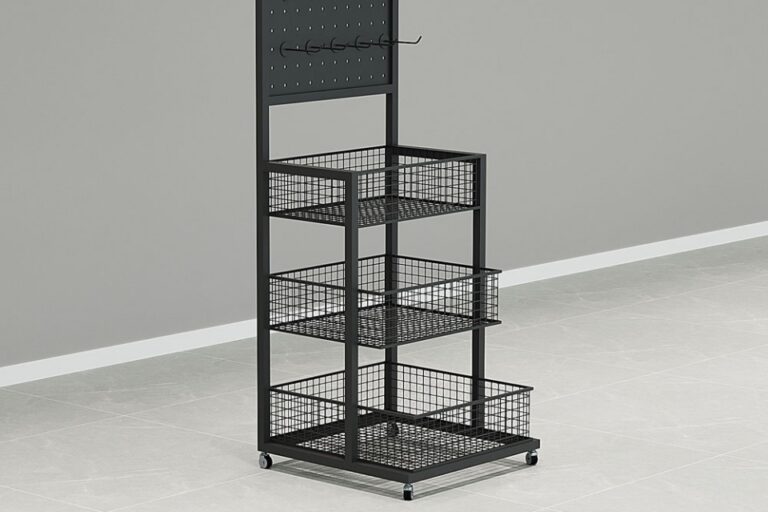
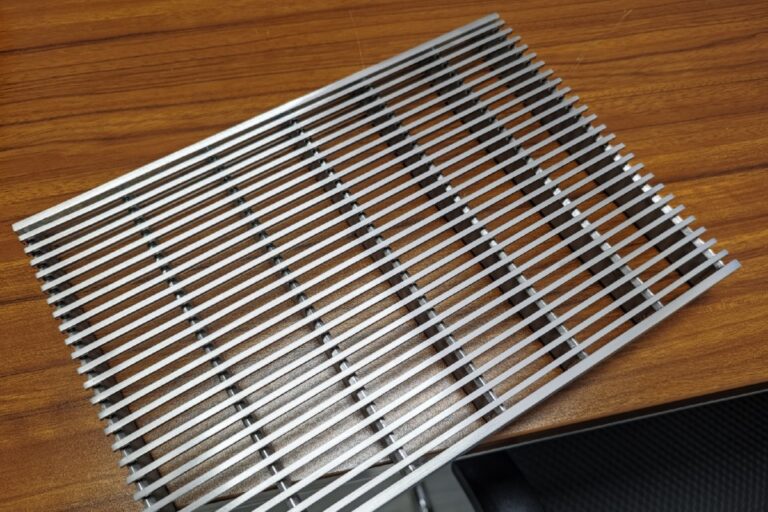
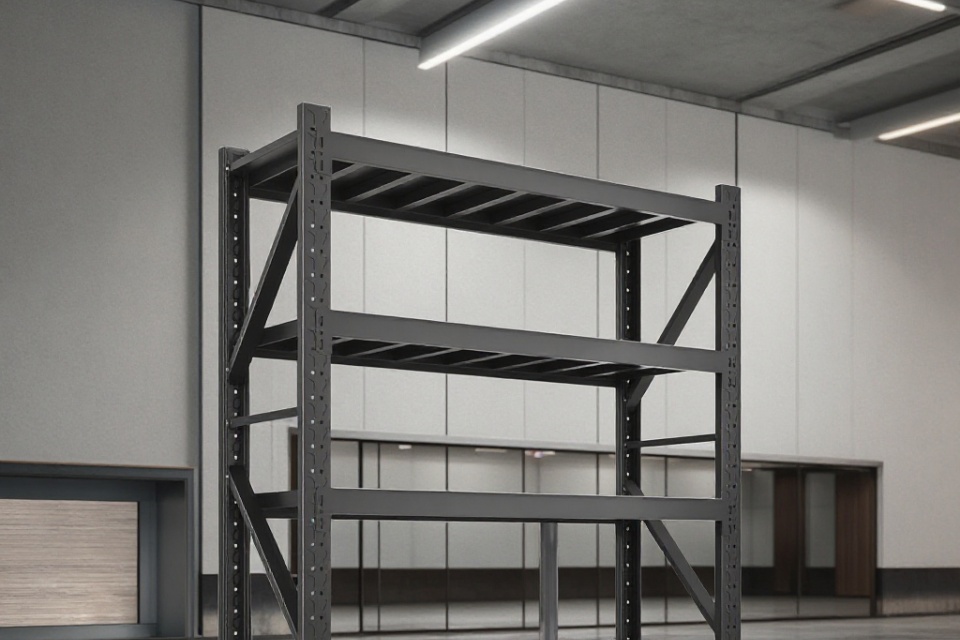
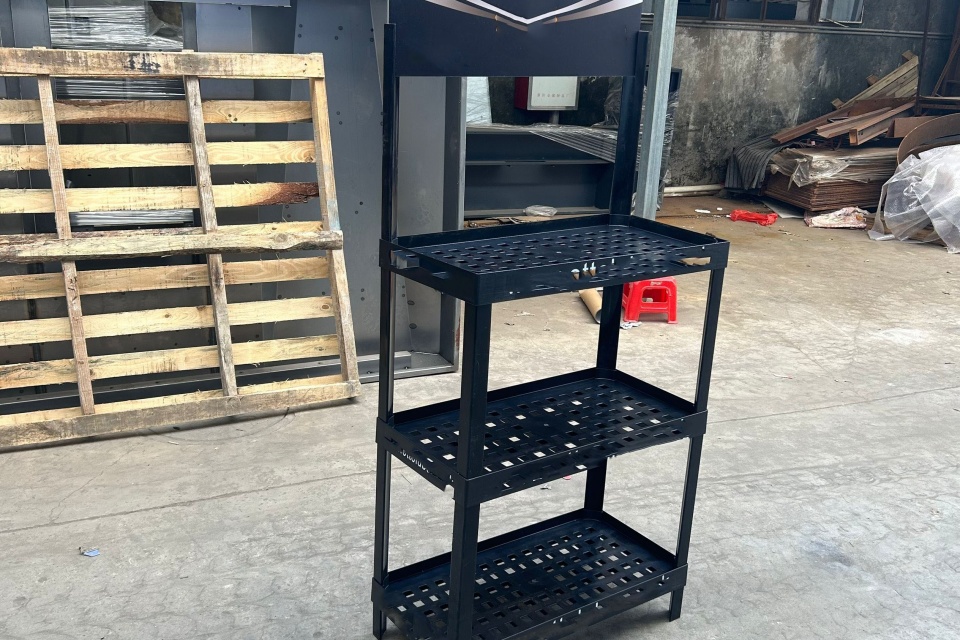
We used wire shelving and wire rack storage to build line-side zones:
- Kitting zone
- Feeder staging zone
- Tool + spare parts zone
- QA hold zone
- Maintenance quick-grab zone
Wire shelving works because it’s:
- Easy to see through (visual control)
- Easy to clean
- Airflow-friendly (helps in humid areas)
- Modular (re-slot shelves when the product mix changes)
And when you build it right, it survives the daily abuse.
Beverage Cabinet Wire Shelving as a proven geometry for tight spaces
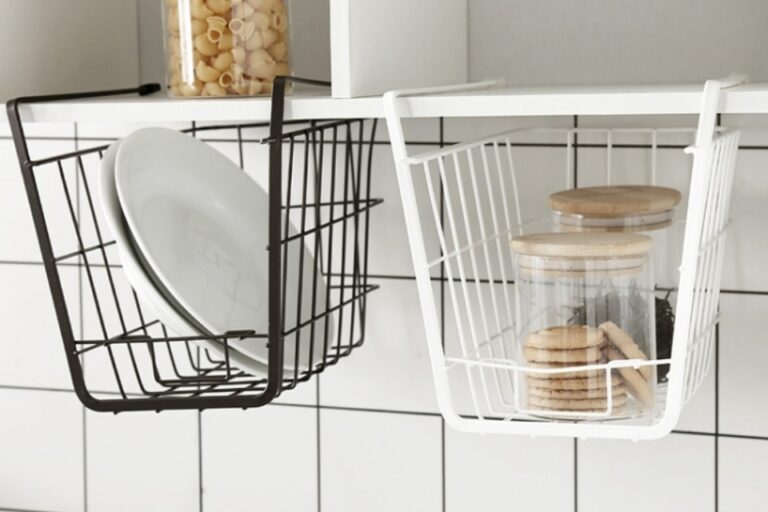
We used ideas from Étagères en fil de fer pour armoires à boissons because it’s made for compact cabinets, constant loading/unloading, and moisture-prone environments. That translates well to electronics floors that deal with cleaning, flux handling areas, and “wet” processes nearby.
If you want a reference point for that style, you can see the product category on our site (not in the headings):
- Beverage Cabinet Wire Shelving: https://wireshelvingmfg.com/beverage-cabinet-wire-shelving/
- Beverage Cabinet Wire Rack: https://wireshelvingmfg.com/beverage-cabinet-wire-rack/
We didn’t copy a fridge shelf and call it SMT-ready. We adapted the rack logic: tight footprint, quick access, corrosion-resistant finishes, and repeatable fit.
Data snapshot table (before vs after) for a high-speed line build
These numbers come from an anonymized internal build snapshot (realistic, not a promise). They show what happened when we tightened material flow, changeovers, and line-side storage. No cost math here. Just time and quality signals.
| Metric (per shift) | Before (loose process) | After (standard flow) | What changed |
|---|---|---|---|
| Average changeover time | 52 min | 24 min | SMED kits + feeder staging |
| Line stoppage minutes | 68 min | 31 min | material replenishment rules |
| “Searching time” for tools/material | 38 min | 10 min | fixed rack locations + labels |
| FPY (first pass yield) | 96.4% | 98.1% | SPI discipline + fewer handling errors |
| Defect escapes found after AOI | 14 | 6 | upstream checks + cleaner swaps |
| WIP pile-ups near reflow exit | frequent | rare | buffer rules + rack zoning |
Notice something? We didn’t “buy speed.” We removed friction.
Line-side rack layout table (what we stored, and why)
| Line-side item | Point de douleur | Storage feature that fixes it |
|---|---|---|
| Feeder sets + verified reels | wrong feeder, wrong reel, wrong lane | dedicated rack bays + clear tags |
| Nozzle trays + spare parts | “missing” nozzles mid-run | small-bin wire rack, front access |
| Stencils + wipe supplies | wipe delay becomes downtime | shelf at printer side, standard kit |
| QA hold boards | mix-ups, lost traceability | labeled hold shelf, one direction flow |
| Maintenance quick tools | tech walks too far | mini rack near line entrance |
This is factory “black talk,” but you know it’s true: walking is the silent killer. If people walk, the line waits.
OEM/ODM execution: why we kept it simple, and why QIAO fit
When you run high-speed assembly, you don’t want custom gear that behaves different every time you reorder. You want repeatable builds.
That’s where an ODM/OEM shelving partner helps:
- You bring a sketch, or we design it with you
- We control dimensions, finish, and load behavior
- We keep lead times tight and quality consistent
- We ship globally, and we don’t make you babysit every batch
That’s the practical value layer. It’s not flashy. It’s reliable. And factories love reliable.
What you should copy from this case study (even if your line is smaller)
- Define OEE/FPY/DPM targets early, like a contract with yourself
- Treat changeovers as engineering, not “operator skill”
- Build kitting + feeder control so the line never starves
- Design line-side storage as part of the line, not furniture
- Use modular wire shelving so the layout can evolve with product mix
One last thing, and I’ll say it plain: if your line looks fast only on PowerPoint, you don’t have a high-speed line. You got a high-speed machine sitting inside a slow system. Fix the system, then speed becomes real.
And yeah, sometimes the fix is a boring wire rack placed in the right spot. Sounds too simple, but it works.