How To Pick The Best Laser Cutting Machine For PCB Panels
Pick a PCB panel laser cutter with less guesswork: compare UV, CO2, and fiber, set kerf/HAZ checks, plan fume control, and go inline-ready for SMT teams daily!
You’ve seen it happen. A new PCB program ramps fast. The team picks a laser cutting machine on a spec sheet. Then the line starts, and suddenly you’re chasing burned edges, weird dustet low yield. Not fun.
So let’s keep this simple. You don’t “buy a laser.” You build a process: material + quality target + automation + upkeep. If you lock those down, the machine choice gets way easier.
Table des matières
PCB Panel Laser Cutting Vs Laser Depaneling
First, name the job. People mix these up.
Laser depaneling: You separate boards from a panel with low mechanical stress. That matters when parts sit close to the edge.
Laser cutting: You cut shapes, slots, windows, and outlines. It can overlap with depaneling, but the goal can be different.
If your main pain is cracked MLCCs or edge-near parts popping off, you’re really talking about laser depaneling. If your main pain is odd outlines and tight slots, you’re closer to laser cutting.
PCB Materials And Stack-Up: FR-4, FPC, Rigid-Flex
Don’t start with power. Start with what you’re cutting.
Ask your process team:
FR-4 thickness and glass content
Copper weight and whether copper sits near the cut path
Solder mask type
Any coverlay (common in FPC)
Rigid-flex transitions (these can be picky)
How close components sit to the cut line (this one is huge)
A laser that looks “strong” can still be wrong if it creates heat damage on your stack-up. You want stable results, not drama.
UV 355nm Vs CO2 10.6µm Vs Fiber 1064nm
Wavelength often matters more than “big power.” Different materials absorb light differently, so the same machine can cut one stack-up clean and roast another.
UV Laser Depaneling For Low HAZ
UV is popular when you care about:
smaller heat-affected zone (HAZ)
cleaner edges on delicate builds
tight keep-out zones near components
It’s often a good fit for FPC et fine-feature depaneling. It can feel slower in some cases, but it helps when quality is the top KPI.
CO2 Laser Cutting For Throughput Trade-Offs
CO2 can push solid throughput in the right setup. But it can also bring:
more edge discoloration risk on some FR-4 builds
more process tuning to avoid char and residue
CO2 isn’t “bad.” It just asks you to own the process window. If you don’t have time for that, you might hate it later.
Fiber Laser For Mixed Shop Reality
Fiber often shows up when teams want a practical middle ground. But results can swing a lot based on coatings, copper, and how you run the recipe.
So don’t assume. Test it on your real panels. Vendor demos on “generic coupons” can look great and still fail your board.
If you don’t define quality, you’ll fight forever. Use simple, checkable metrics.
Look at:
Kerf width: the cut gap. Smaller kerf helps when space is tight.
HAZ: how much heat changes the material around the cut.
Edge char / discoloration: especially on FR-4 and mask.
Delamination: watch for layer lift near the edge.
Debris / residue: dust and sticky stuff that later causes defects.
And please don’t just eyeball it. Use a microscope check and a basic pass/fail chart.
Table: Simple Laser PCB Cut Quality Scorecard (Use In NPI)
Metric (What You Check)
Pourquoi c'est important
Quick Test On Line
Pass/Fail Hint
Kerf width stability
Fits tight designs
Measure 10 cuts across panel
Low drift = good
HAZ size
Prevents heat damage
Cross-section on sample
Smaller is safer
Edge char
Avoids ugly / weak edges
Visual + wipe test
No smear, no burn
Delamination
Prevents field failures
Bend + microscope
No layer lift
Debris level
Protects yield
Tape pull near cut
Minimal dust
No need to argue about “best.” Score what you need, then pick what hits it.
Galvo Scanner Vs Gantry Motion System
Motion design changes everything.
Galvo (scanner) can move fast over small areas. It’s great for speed on patterns.
Gantry (stage) can handle bigger travel, heavier panels, and sometimes more consistent geometry across large panels.
In real life, you care about corners and tiny features. Ask the vendor to run your worst-case path: tight radii, dense breakouts, and long cuts. That’s where motion shows its true face.
Fume Extraction And Filtration For PCB Laser Cutting
This part is boring… until it wrecks your uptime.
Laser cutting makes fumes and fine particles. If the extraction is weak:
optics get dirty faster
edge residue gets worse
maintenance becomes constant
operators complain (rightfully)
So make filtration and airflow part of the deal. Ask what they recommend for your material, and what the maintenance routine looks like. If they wave it off, that’s a red flag.
If you run SMT, you probably care about flow more than the laser head.
Ask:
Can it run inline with conveyor and buffers?
Does it support SMEMA-style handshakes (or your line standard)?
Can it read barcode/2D codes and tie to MES?
How long does recipe change really take?
Do you need fixtures, pins, vacuum hold-down, or clamping?
A machine that cuts nice but kills changeover time will tank OEE. And yeah, that’s where people get mad in the daily standup.
Sample Run And DOE: Prove It With Your Own Panels
Don’t buy on hope. Do a basic DOE (nothing fancy).
Run:
your thickest and thinnest boards
your tightest component-to-edge design
your longest cut path
your dirtiest material (the one that smokes more)
Then record:
edge photos
debris level
cut time per panel
maintenance touches per shift (rough count is fine)
You’ll learn more in one real sample run than in ten sales calls.
And small note: vendors sometimes run “pretty settings” that look good but aren’t stable. Make them show repeatability. Repeatability is the whole job.
Real Factory Scene: Storage, ESD Handling, And Cold Materials
Here’s the part people forget: the laser cell doesn’t live alone.
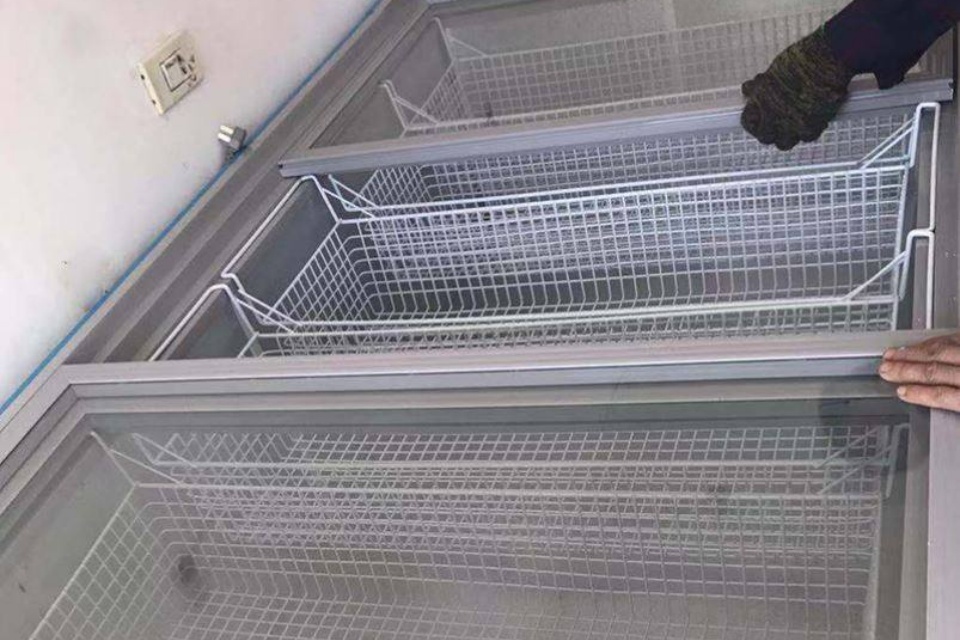
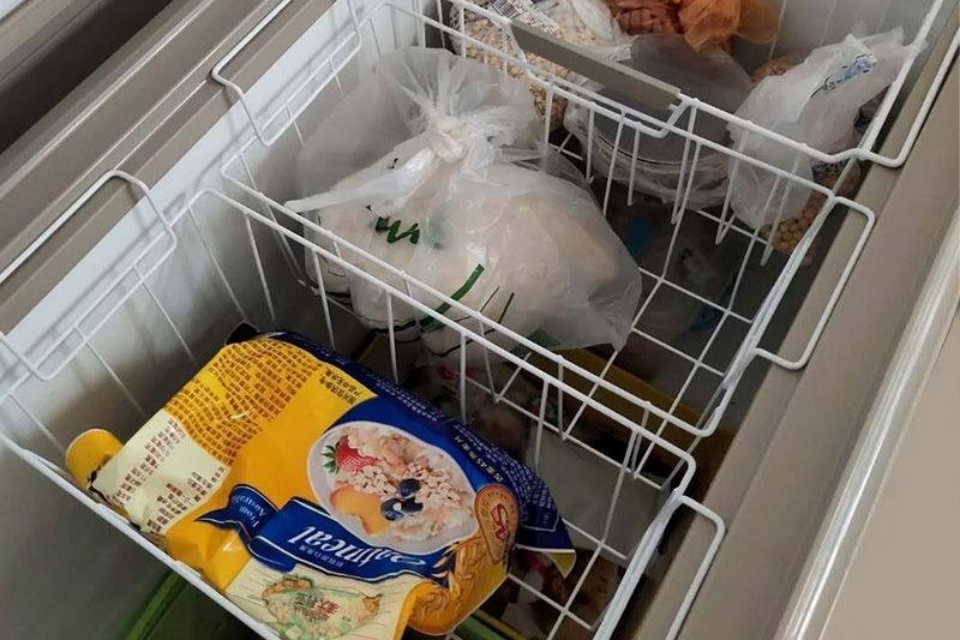
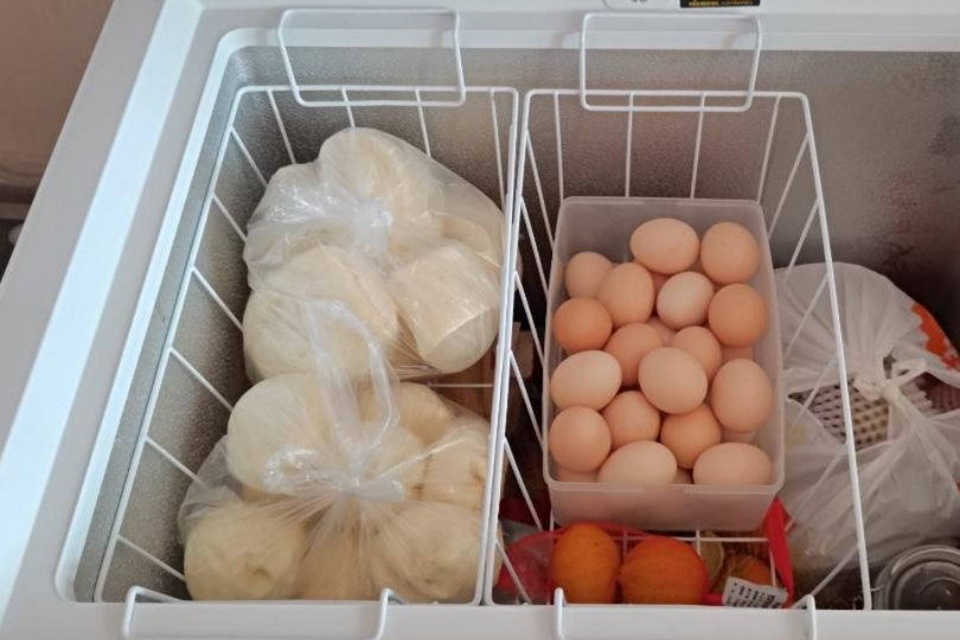
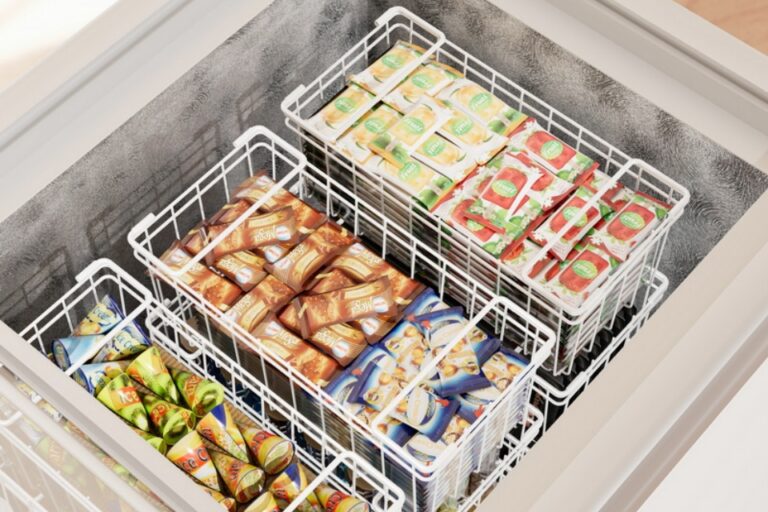
In many electronics shops, you store materials that want stable temp and clean handling. Solder paste, adhesives, some coatings—people often keep these in composants des chambres froides. If your storage setup is messy, you lose time and you make mistakes.
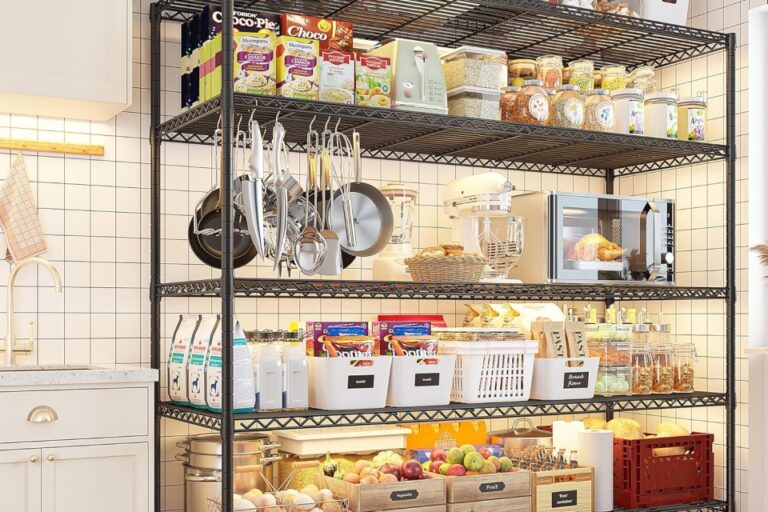
This is where good factory hardware helps. Strong étagères en fil de fer, clean layouts, and durable racks keep things moving. If you already source industrial storage, it’s smart to match it to your process flow.
For example, your team can use freezer-ready storage parts for better organization around cold materials. If you work with freezer storage setups, take a look at these composants du congélateur and build a cleaner staging area near production.
That sounds small, but it saves steps. And steps add up.
OEM/ODM Support: Fixtures, Trays, And Cell Layout (Where “Qiao” Helps)
If you’re doing this as a production line, you will need custom stuff:
Au Services de fabrication de rayonnages métalliques sur mesure, you can bring your own design or let the team design with you. You get OEM/ODM support, corrosion-resistant finishes, ISO quality, and global shipping. That’s not a “nice extra.” It’s part of building a line that runs smooth.
Quick Wrap-Up (No Fluff)
Pick the machine by asking:
What material and stack-up do you cut?
Do you need laser depaneling or general laser cutting?
What quality metrics matter (kerf, HAZ, debris)?
What motion system fits your panel and path?
How will you manage fumes and maintenance?
Can it run inline, with fast changeover?
Can you prove it on your real panels?
Do that, and you’ll stop guessing. You’ll also avoid buying a machine that looks good in a demo but feels painful on the floor.
And yeah—test it. If the vendor won’t run your panels, you should be nervous. This is not time for “trust me bro” engineering, ok?
Fabricant d'étagères grillagées sur mesure avec un faible MOQ (50 jeux). Commandes OEM et distributeurs flexibles, rayonnages à résistance industrielle adaptés à vos spécifications.
Cycle de livraison et soutien
Production rapide et expédition mondiale. Assistance 24/7, logistique fiable pour la réfrigération, les composants de congélation et les rayonnages métalliques pour boissons dans le monde entier.
Qualité et certifications
Fournisseur de rayonnages certifiés ISO 9001, NSF et CE. Un contrôle de qualité rigoureux garantit la durabilité des rayonnages industriels en fil métallique et des rayonnages pour boissons dans le monde entier.