Scaling From Prototype To Large-Scale Manufacturing (Without Losing Your Mind)
From prototype to volume, learn how to build fan mesh covers that repeat: DFM, fixtures, weld checks, finish control, pilot runs, and stable supply worldwide!
Now comes the part that hurts a little: making the same thing again and again, with the same fit, the same finish, and the same performance. That’s the real job. If you’ve ever held a “perfect” prototype and then watched the first bulk batch come out… yeah. You already know.
Let’s talk about what actually changes when you scale.
Table des matières
Prototype vs Production: What Changes
A prototype answers one question: Can this design work?
Production answers a harder one: Can we make it the same way, every time, at volume?
That shift sounds small. It isn’t.
In a prototype, people hand-tweak. They re-bend a wire. They “massage” a fit. They sand a corner. That don’t scale.
In production, you need:
repeatable processes
stable suppliers
inspection that catches drift early (before you scrap a whole run)
packaging that protects parts through shipping
Here’s a simple map you can reuse.
Stage
Main goal
What “done” looks like
Common risk
Typical source
Prototype
Prove function
Sample works in real use
Hand fixes hide problems
DFM/DFA guidance
Pilot run (trial build)
Prove repeatability
Same result across multiple builds
Process window is too tight
Process validation practices
Large-scale manufacturing
Prove stability
Low variation, stable output
Supplier/finish drift over time
Quality + supply chain playbooks
Design for Manufacturing (DFM) and Design for Assembly (DFA)
If scaling feels like “we just need more machines,” you’re going to get surprised.
Scaling usually fails in details:
tolerances that were “fine” when a tech eyeballed it
weld locations that shift by a hair
a finish that looks good on 10 pieces, then goes uneven on 5,000
Wire forming, welding, and tolerances
Wire parts look simple. They aren’t.
When you scale wire products, you start hearing shop-floor words like:
bend radius
springback
weld spatter
fixture wear
stack-up tolerance
If you design a feature that depends on “perfect” bends, you’ll fight variation forever. Instead, design parts that forgive small shifts. Add lead-ins. Add locating features. Use fixtures that lock the part the same way every time.
A practical example:
Prototype: operator aligns mesh by feel.
Production: a locating pin and a hard stop set the position fast, same every time.
Finish and corrosion resistance
Finish is not decoration. Finish is performance.
If your fan mesh cover sits near moisture, salt air, or cold-room condensation, finish matters a lot. And finishes behave differently at scale. A coating line needs stable hooks, stable cleaning, stable cure time. If any of that drifts, your finish drifts too.
So during scale-up, treat finish like a critical process, not an afterthought.
Pilot Run and Process Validation
A pilot run is the moment you stop guessing.
You don’t need a giant run. You need a run that’s honest. Same tooling. Same operators. Same packaging. Same inspection plan. Same shipping method if possible.
First Article Inspection (FAI)
FAI is your “show me” checkpoint. You measure the first parts off the line and confirm:
key dimensions
weld placement and strength checks (as required)
fit with mating parts
finish coverage and appearance
If the first articles don’t match, don’t “push through.” Fix the root issue. Otherwise you’ll just scale your problem.
Process window and control plan
A process window is the safe zone. It’s the range where the process still makes good parts.
A control plan says what you’ll watch, how often, and what you’ll do when it moves.
This is boring stuff. It’s also the stuff that keeps your deliveries on time.
Quality Control and ISO Quality
Quality isn’t “inspect more.” Quality is “build better, then verify smart.”
If you aim for stable output, focus on three things:
good fixtures
clear specs
checks that catch drift early
Gauges, fixtures, and gauge R&R
If your measurement tool isn’t repeatable, your numbers are fake. That’s why people run gauge R&R studies. It’s a simple idea: Can two people measure the same part and get the same result?
Also, fixtures wear out. When a fixture wears, parts drift. So you track it. You maintain it. You don’t wait until it’s ugly.
Common defects for wire mesh covers
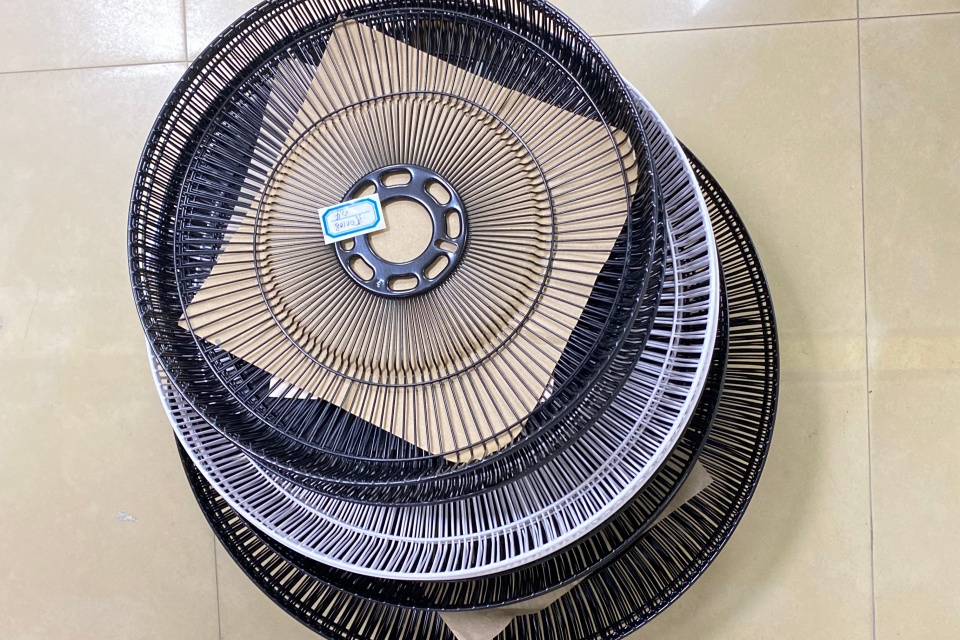
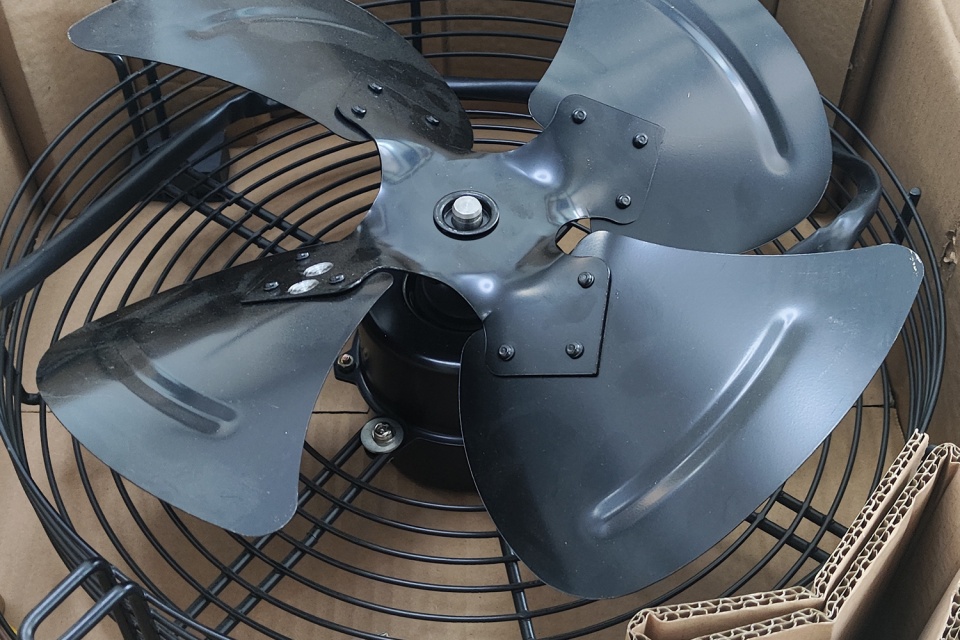
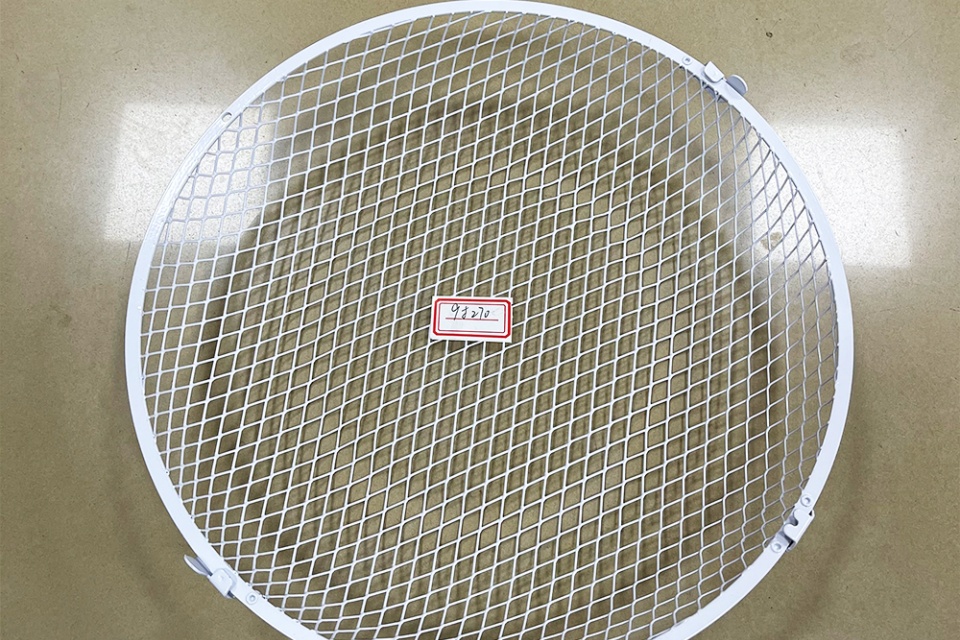
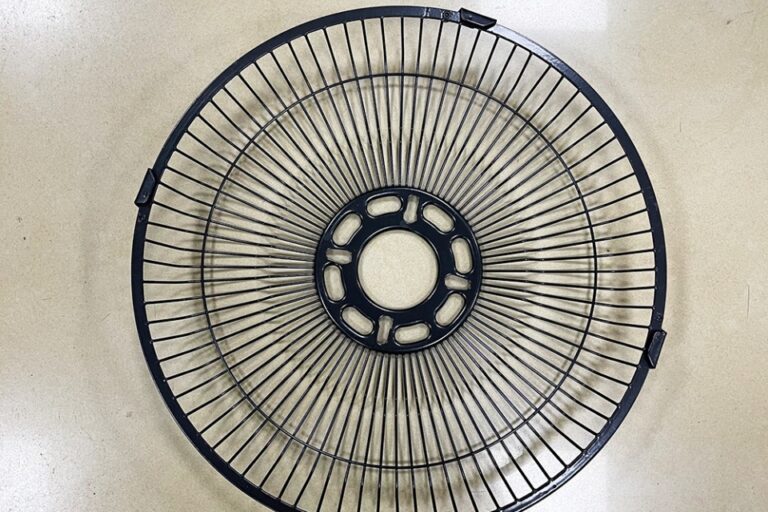
For wire mesh covers (and similar wire guards), the usual headaches look like:
mesh skew (pattern shifted)
sharp burrs on cut ends
weld burn or weak spots
coating thin spots on corners
scratch marks from handling or stacking
You can prevent most of these with the right fixture, the right deburr step, and packaging that doesn’t rub parts together like sandpaper.
Supply Chain and Lead Time
Scaling fails when one “small” part becomes a bottleneck.
The prototype phase loves quick buys. Production hates random buys.
Material spec, certs, and traceability
At volume, you lock the basics:
wire material grade
wire diameter range
surface condition
required certificates (when needed)
batch traceability rules (when needed)
Without that, you’ll see “same material” behave differently across lots. It happens more than people admit.
MOQ, Kanban, and safety stock
You’ll hear MOQ (minimum order quantity) real fast.
At scale, you balance:
MOQs
storage space
replenishment signals (Kanban)
lead time stability
You don’t need to overcomplicate it. You just need a plan that prevents line stops.
Packaging, Shipping, and Installation Fit
Packaging is part of manufacturing. Full stop.
If your parts scratch, bend, or tangle during shipping, the customer blames the product. They won’t care that the parts left your factory perfect.
So test packaging early:
stack height
corner protection
separators between layers
vibration resistance
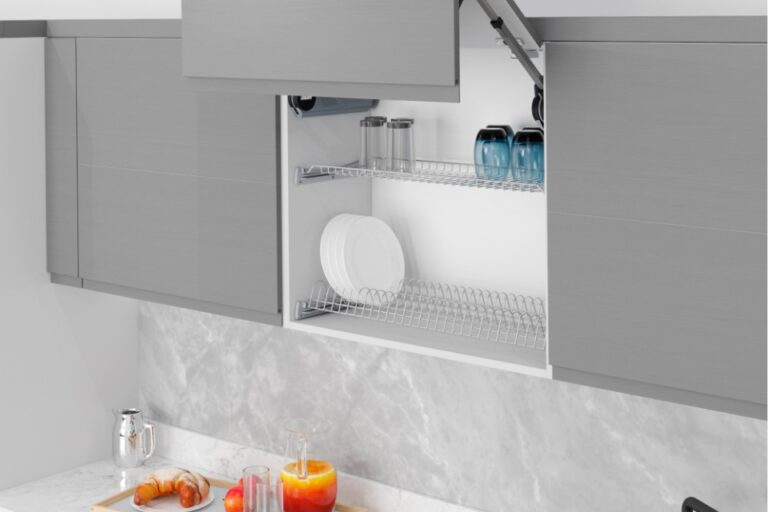
Also, think about install reality. If a tech installs your part in a tight cabinet, small edges and small fit issues become big problems.
Here’s a KPI-style table you can use in your internal review. These are common target directions, not magic rules.
Metric (example)
Prototype focus
Pilot run focus
Large-scale focus
Dimensional consistency
“Fits once”
Fits across multiple builds
Fits across lots and time
First pass yield (FPY)
Not tracked closely
Track and remove top defect causes
Keep stable, watch drift
Finish appearance
Looks good on sample
Looks good across a run
Looks consistent across batches
Handling damage
“We’ll be careful”
Test packaging
Standard pack-out + training
Change control (ECO)
Fast changes
Controlled changes
Tight change discipline
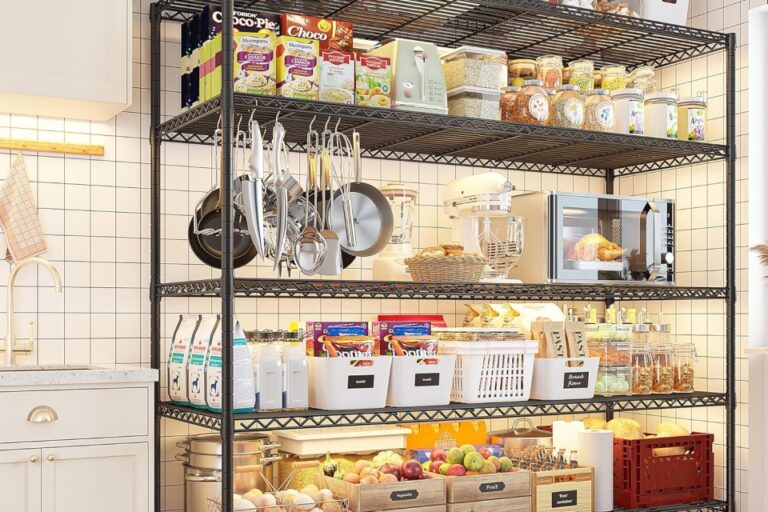
OEM/ODM Wire Shelving Manufacturing Services: What You Should Ask For
If you’re choosing a manufacturing partner, ask questions that match reality:
Can you support DFM feedback early? You want fewer surprises later.
Can you run a pilot build and document the results? If they can’t, you’re flying blind.
How do you control finish and corrosion-resistant coatings? Ask about cleaning, cure control, and handling rules.
How do you prevent “quiet drift” over time? Look for fixture maintenance, in-process checks, and clear escalation steps.
Can you handle OEM/ODM from design support to global shipping? That matters when you scale fast.
The point I want you to remember
Scaling isn’t about making more pièces.
Scaling is about making the same part on Monday and again on Friday, and then again three months later, and it still fits. It still looks right. It still ships clean.
Do that, and large-scale manufacturing stops feeling like gambling. It starts feeling like a system you control.
Fabricant d'étagères grillagées sur mesure avec un faible MOQ (50 jeux). Commandes OEM et distributeurs flexibles, rayonnages à résistance industrielle adaptés à vos spécifications.
Cycle de livraison et soutien
Production rapide et expédition mondiale. Assistance 24/7, logistique fiable pour la réfrigération, les composants de congélation et les rayonnages métalliques pour boissons dans le monde entier.
Qualité et certifications
Fournisseur de rayonnages certifiés ISO 9001, NSF et CE. Un contrôle de qualité rigoureux garantit la durabilité des rayonnages industriels en fil métallique et des rayonnages pour boissons dans le monde entier.