How To Store And Organize SMT Spare Parts Efficiently
Build a clean SMT spare-parts room: sort by risk, control ESD and MSL time, use 5S labels and two-bin Kanban, and fit shelves to your parts and workflow.
You don’t lose uptime because of big problems only. You lose it because somebody can’t find a feeder screw. Or a nozzle tray got mixed up. Or an ESD bag was “somewhere on the shelf.” Then the line is down, and everyone starts doing the warehouse scavenger hunt. Not fun.
Let’s fix it with a system that feels simple on the shop floor. Not fancy. Just practical.
Table of Contents
SMT spare parts classification for storage and inventory control
Before you buy more bins, classify what you already have. If you skip this step, you’ll build a neat-looking mess.
Criticality, usage rate, and risk level
Use three questions:
Will this part stop the line? (criticality)
Do we use it every week or once a quarter? (usage rate)
Can it be damaged by moisture or ESD? (risk)
Here’s a quick table you can copy into your SOP.
Spare parts group (SMT)
Typical examples
Main risk
What “good storage” means
ESD-sensitive electronics
sensors, boards, drivers
latent ESD damage
EPA rules + ESD packaging + clear labels
Moisture-sensitive devices (MSL)
ICs, modules, some packages
popcorning, delamination
dry storage + open-time tracking
Precision placement hardware
nozzles, nozzle tips, feeders
mix-ups, wear, dirt
model-based slots + cleaning status
Consumables / small-but-deadly
springs, screws, belts, filters
line-down from stockout
two-bin Kanban + min/max levels
Tools & gauges
torque tools, calipers
calibration drift
controlled cabinet + calibration tags
If you do this right, you’ll stop arguing about “where should it go?” because the rule tells you.
ESD control for SMT spare parts storage
ESD rules don’t stop at the production line. Your storeroom is part of the risk path too.
EPA layout in the storeroom
If you store ESDS items, build a small EPA zone inside the spare parts area:
grounded workbench (simple, not luxury)
wrist straps for handling
ESD-safe containers and bags
clear “ESD ONLY” shelf sections
This reduces the classic problem: “It worked yesterday, today it’s weird.” That’s often latent ESD damage showing up later.
ESD packaging, labels, and handling rules
Make it boring and repeatable:
If it’s out of EPA, it stays in ESD protective packaging.
If it’s open, it gets a label + date + handler name.
Yeah, it sounds strict. But it saves you from those ghost failures that eat hours.
Moisture Sensitive Device (MSL) storage and floor life tracking
MSL parts aren’t “store and forget.” They are “store and track.” The clock matters.
MSL floor life table for quick decisions
Below is a commonly used reference pattern from J-STD-033 style handling. Teams use it as a wall chart so nobody has to guess.
MSL level
Typical floor life after opening (≤30°C / 60%RH)
What to do when time is close
MSL 2
~1 year
keep sealed when not used
MSL 2a
~4 weeks
seal + dry packs when paused
MSL 3
168 hours
log open time, return to dry storage
MSL 4
72 hours
treat like “use soon” parts
MSL 5
48 hours
plan builds, don’t open early
MSL 5a
24 hours
open only when line is ready
MSL 6
must bake before reflow
follow bake + dry pack rules
Don’t try to memorize this. Post it. Train it. Then enforce it, even when people rush.
Dry storage: dry cabinet, dry box, and reseal process
A simple working flow:
Open bag → start the MSL clock
Use what you need → return leftovers
Reseal with dry pack → log time and status
If time expired → follow bake / recovery rule
If you don’t log open time, you’re basically doing “feelings-based quality.” That ends badly.
5S organization for SMT spare parts room
You want fast picks. You want no mix-ups. 5S gets you there without drama.
Shadow boards, red-tag area, and location codes
Shadow board for tools used daily (torque drivers, tweezers, gauges). Empty outline means missing tool.
Red-tag area for “unknown status” parts: damaged, unverified, or “somebody said it’s fine.” Nope. Park it.
Location codes like: A-03-02 (Zone A, Rack 03, Shelf 02)
Here’s a simple label format:
Field
Example
Part name / PN
Nozzle 201A
Machine model
NPM / Yamaha (your site standard)
Location code
B-02-04
Status
OK / Clean / Needs repair
Last action
cleaned 2025-12-10
Owner
Line Maint.
Kitting for changeover and maintenance jobs
If you do changeovers or planned maintenance, use kitting:
build a kit for “Nozzle clean + swap”
build a kit for “Feeder quick repair”
build a kit for “Conveyor sensors replacement”
Then the tech grabs one box, not ten trips. It’s faster, and it keeps focus when the clock is ticking.
Kanban two-bin system for SMT spare parts replenishment
This is for the cheap parts that cause expensive downtime.
Two-bin rules (keep it simple)
Two identical bins for the same item
Bin 1 in use
When Bin 1 empty → trigger replenishment
Bin 2 keeps production going
Put the reorder card right under the bin. If you hide it in a folder, nobody will use it, trust me.
Which items fit two-bin best
feeder screws, springs, pins
belts, filters, fuses
o-rings, nozzle seals
cable ties, labels, cleaning swabs
These parts don’t look important. Then one is missing, and the line is down. Classic.
Wire shelving systems for SMT spare parts storage
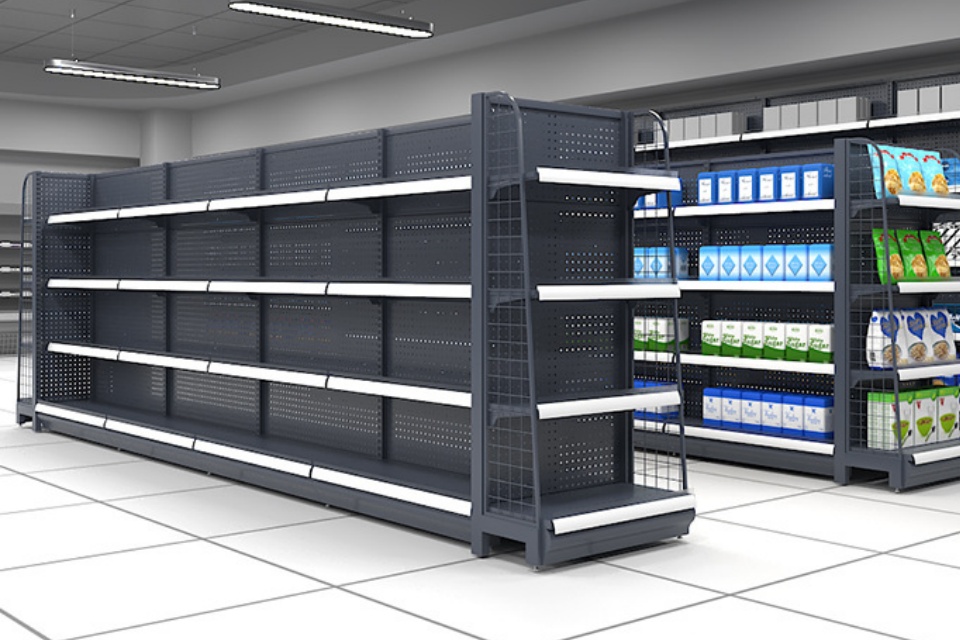
Now let’s talk about the physical setup. Because cardboard boxes on random shelves won’t scale.
Why non-standard wire shelving helps in SMT storerooms
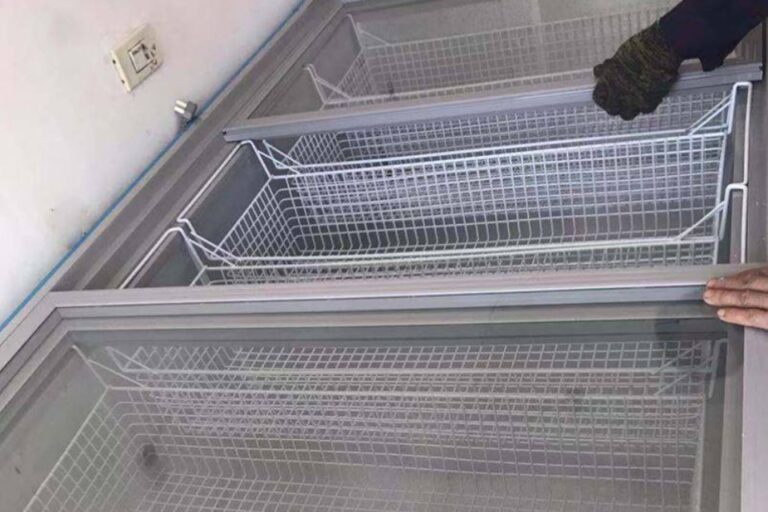
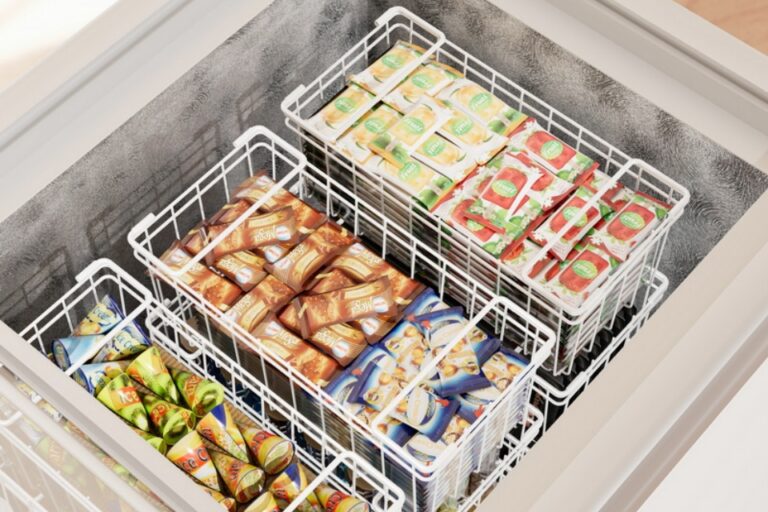
SMT spare parts are weird shapes. Feeder trays. Nozzle cases. Tall bins. Long boxes. You need shelf sizes that match your reality, not some generic warehouse photo.
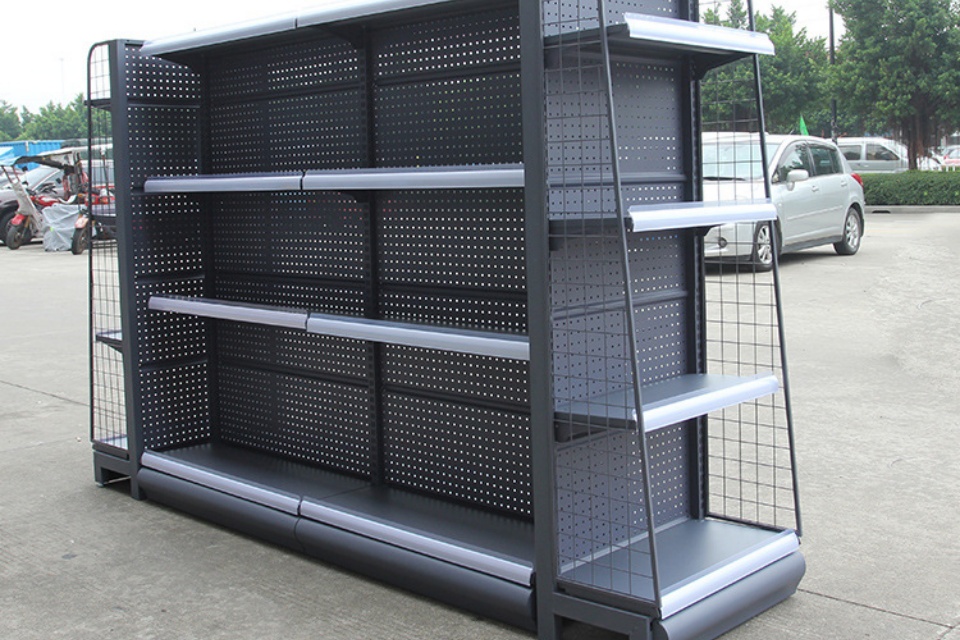
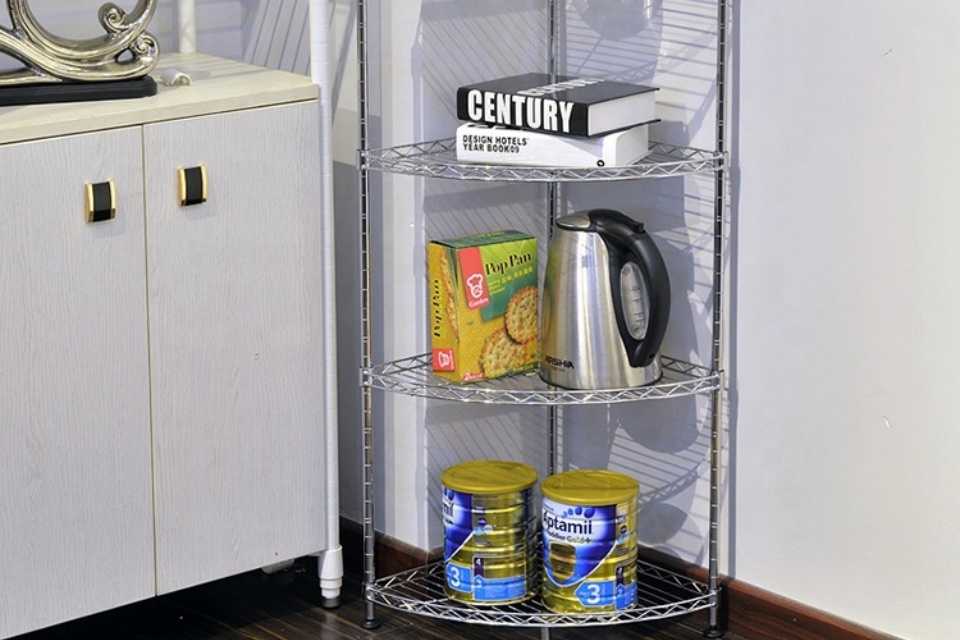
That’s where non-standard wire shelving makes sense. You can design shelf depth, height, dividers, and zones around your parts mix, so you don’t waste space or create “stacking accidents.” You can check options here: non-standard wire shelving
Customized Products for bins, dividers, and corrosion-resistant finishes
In electronics areas, you also care about cleanability and rust prevention. Wire shelving with the right finish is easier to wipe down, and it handles humidity better than bare steel in many storerooms.
If you want shelves that fit your bins, your aisles, and your picking flow, look at Customized Products. This is the practical side of OEM/ODM services: you bring a layout, or we design around your process.
And yes, this is where suppliers like QIAO get mentioned in real life. When you’re building a spare parts room that supports uptime, you want partners who can build to spec, not just ship “whatever is in stock.” If you want to talk through your layout, you can contact us.
Real shop-floor scenarios and fixes
Scenario 1: “We have the part, but we can’t find it”
Fix: location codes + 5S + bin labels Add “one home” for each part family. If you keep moving things, you’ll never win.
Fix: model-based slots + status tags Store nozzles by machine family and size. Tag them as OK / Clean / Needs repair. Don’t mix “dirty return” with “ready to run.” That’s asking for trouble.
Scenario 3: “MSL parts opened too early, then forgotten”
Fix: open-time tracking + dry storage rule Don’t open MSL bags at kitting time unless the build is truly ready. If you open early, you start a clock you might not be able to beat.
A simple weekly routine that keeps the system alive
10 minutes: scan red-tag area
15 minutes: check two-bin triggers
15 minutes: verify top 20 “line-down parts” locations
10 minutes: quick shelf clean + label repair
It’s not perfect. But it’s real. And it keeps your storeroom from sliding back into chaos, because it will try to slide back, always.
If you want, I can also create a “storeroom layout checklist” based on your products mix (freezer components, rear mesh, display cabinet components, cold storage room components) so the shelving plan matches your service scope and customers.