
If your SMT line feels “busy” but still misses ship dates, you’re not alone. You can run pick-and-place heads at full speed and still lose the day to small junk: missing reels, messy feeder carts, long changeovers, and that one stencil you can’t find.
5S and Lean won’t fix everything overnight. But they do give you a simple way to stop the daily bleeding, lock in stable flow, and keep quality from slipping.
Table of Contents
5S Methodology in SMT Production
5S sounds like housekeeping. In SMT, it’s really search-time removal and mistake-proofing. You’re trying to make the “right way” the easiest way.
Sort in the line-side area (red-tagging)
Start with the line-side zone, not the office.
- Red-tag broken feeders, mystery tools, old splice tape, random screws.
- Move “maybe useful” stuff to a quarantine shelf with a date.
- If no one touches it in 30 days, it goes away.
This step feels harsh. But it stops the “graveyard cart” problem that slows every shift.
Set in order for feeders, nozzles, and consumables
SMT lives or dies on point-of-use storage.
- Park feeder carts in fixed spots with floor tape.
- Label feeder slots by type (8mm, 12mm, etc.).
- Keep splice kits, tweezers, and ESD brushes where the operator’s hand naturally goes.
If you ever hear “where’s the splice tool?” during a hot run… you need this.
Shine around stencil printing and reflow
“Shine” isn’t about looking pretty. It’s about finding abnormal fast.
- Clean under the printer. Paste crumbs become slip hazards and defect seeds.
- Wipe squeegee blades and check stencil underside every set interval.
- Do a quick reflow oven window check, fan noise check, and conveyor wipe.
When you keep things clean, you spot issues early. Less mystery defects later.
Standardize work instructions and check points
Standardize the small things that cause big drift.
- Same place for the torque driver.
- Same checklist for first article.
- Same “OK to run” sign-off for paste thaw time, stencil ID, program revision.
You want fewer “tribal knowledge” moments. Because tribal knowledge goes home at 5pm.
Sustain with short audits that don’t annoy people
Don’t do a 2-hour audit. Do a 10-minute walk.
- One lead + one operator.
- Same route, same questions.
- Fix one thing right now, log one thing for later.
Here’s a simple scorecard:
| 5S Area (SMT) | What you check | Score (0–5) | Notes |
|---|---|---|---|
| Line-side tools | Tools labeled, easy to grab | ||
| Feeder carts | Parked, labeled, no junk | ||
| Stencil zone | Stencils protected, IDs visible | ||
| Paste handling | FIFO labels, thaw time tracked | ||
| Rework/MRB shelf | Clear bins, no mixed status |
Lean Manufacturing Tools for Electronics Assembly
5S sets the stage. Lean tools keep the flow moving.
Value stream mapping for SMT flow
Do a quick VSM from incoming reels → kitting → line load → AOI → pack-out.
Look for:
- Where WIP piles up
- Where the line waits for parts (line starvation)
- Where you re-handle the same box three times (classic waste)
When you see the map, you’ll notice your “spaghetti travel” fast.
Kanban for component replenishment
If material control runs on Slack messages and panic walks, you’ll keep losing time.
Try a simple 2-bin Kanban:
- Bin A on the line
- Bin B in a supermarket shelf
- When Bin A empties, you pull Bin B and trigger replenishment
It’s boring. That’s why it works.
SMED for stencil and feeder changeover
Changeover is where SMT plants burn hours without noticing.
Small wins:
- Pre-stage feeders off-line (no “hunt and load” during change).
- Use a standard setup cart with the same layout every time.
- Freeze the “golden setup” photo for high-run jobs.
You don’t need perfection. You need repeatable.
SMT Line Metrics That Tell You the Truth
People argue about feelings. Metrics end the argument.
Track a few numbers that connect to flow and quality:
- OEE (availability, performance, quality)
- First Pass Yield (FPY)
- Changeover time
- WIP age (how long work sits)
- Line stops by reason (top 3 every week)
Here’s an example dashboard format (sample numbers, just to show how to present it):
| Metric (SMT) | Baseline | After 6–8 weeks of 5S + Lean | What likely changed |
|---|---|---|---|
| Changeover time (min) | 60 | 38 | Better staging + standard carts |
| Line stops per shift | 14 | 8 | Fewer missing tools/parts |
| FPY (%) | 92 | 96 | Cleaner process + clearer checks |
| WIP waiting (hours) | 10 | 6 | Kanban + less re-handling |
| Rework tickets (count) | 18 | 11 | Faster detection, less confusion |
Don’t chase every KPI. Pick a few. Fix root causes. Repeat.
Material Control: Kitting, Reels, and the “Where’s My Part?” Problem
This is the real pain point. The line can’t place parts you can’t find.
Practical scenes you’ll recognize:
- The kit is short one reel, so the machine sits idle.
- The reel is there, but wrong value, wrong label, wrong lot.
- The operator grabs “close enough” and quality takes a hit.
Lean answer: clean kitting + clear storage + visual FIFO.
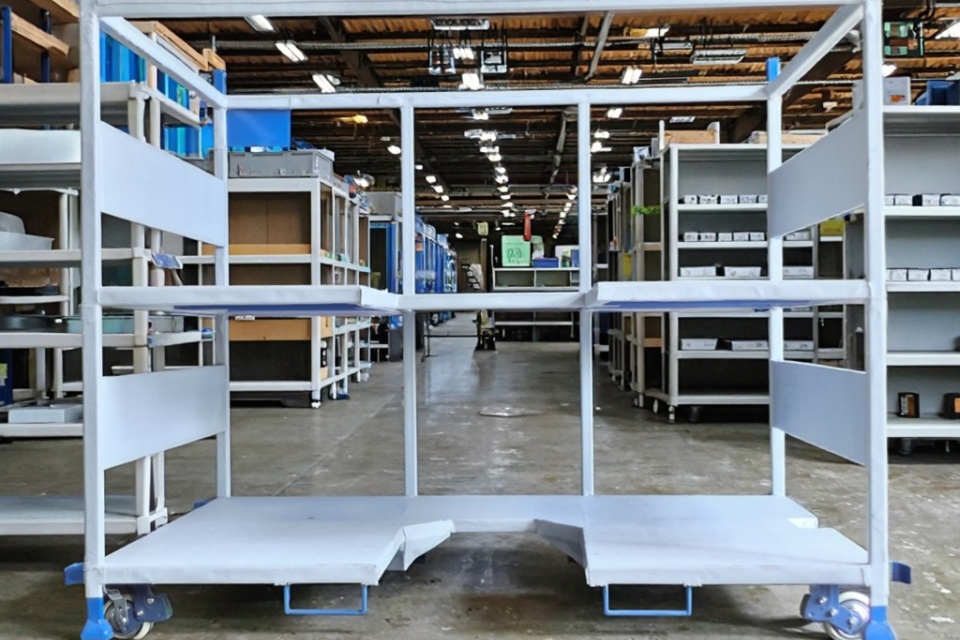
This is where good shelving matters more than people think. You need shelves that:
- hold labeled bins cleanly,
- stay easy to wipe,
- resist corrosion in cold / humid spots,
- fit your space without weird gaps.
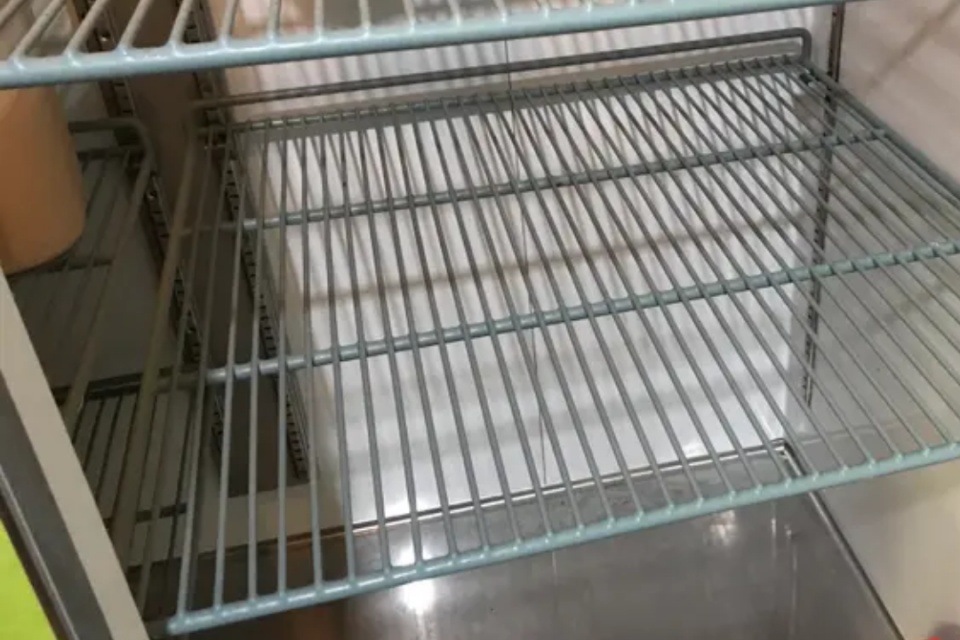
If you store solder paste or temperature-sensitive materials in a fridge, proper rack layout helps FIFO and prevents crushed boxes. A Commercial Refrigerator Wire Shelf makes it easier to keep lots separated and labels visible. And if you’re building a full rack system, Commercial Refrigerator Wire Shelving supports better zoning and faster picking.
Small note: if your shelves wobble or rust, your labels fall off and bins drift. Then 5S falls apart. It’s annoying but true.
Standard Work and Visual Management on the SMT Floor
Lean isn’t “work faster.” It’s “work the same way, every time.”
Visual control for setup and verification
Do this:
- Print a one-page setup sheet with feeder list, stencil ID, program rev.
- Add a “go/no-go” sign-off at first article.
- Use color tags for tool status (calibrated / needs check)
When the process looks clear, new operators ramp quicker. Less babysitting.
Andon-style escalation (without the drama)
You don’t need a fancy tower light system to start.
You need rules like:
- If AOI rejects spike, stop and call lead.
- If feeder error repeats 3 times, swap feeder.
- If paste issue shows, pause and verify thaw + stencil wipe.
This keeps problems from turning into “we’ll rework later” chaos.
Common Mistakes in 5S Implementation for SMT
A few traps show up again and again:
- You 5S the office first, not the line.
- You label everything, but nobody uses the labels.
- You clean once, take photos, then stop (classic).
- You don’t give material handlers a real supermarket area.
- You try to fix 20 things at once, then people quit caring.
Keep it small. Keep it real. Fix what blocks flow today.
Where WireShelvingMFG Fits Into This Lean Story
Lean needs storage that supports flow. That’s not a “nice to have.” It’s a core piece.
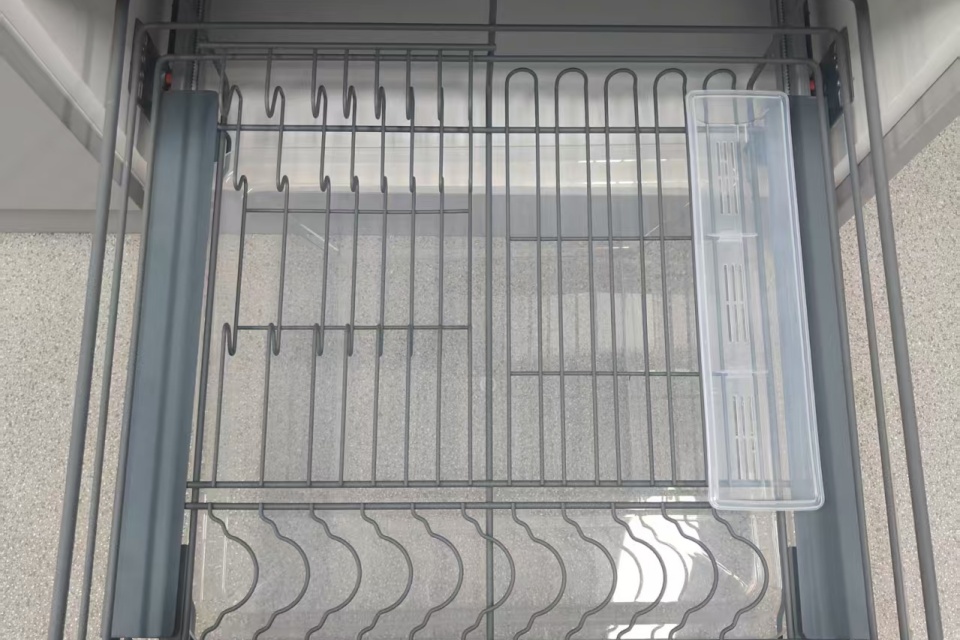
At WireShelvingMFG, we focus on Custom Wire Shelving Manufacturing Services for factories, warehouses, labs, and cold storage. We also support OEM/ODM builds, so you can bring a sketch or let us help design the layout. You can spec corrosion-resistant finishes, push for fast lead times, and keep quality consistent (yep, ISO-style controls matter here).
When your shelves match your process, 5S gets easier to sustain. And you spend less time fighting the same dumb problems. It make a difference, even if it sounds small.
A Simple 2-Week Start Plan
You don’t need a big “Lean program” to begin.
- Days 1–2: Red-tag line-side clutter, clear kitting overflow.
- Days 3–5: Set fixed homes for feeders, splice kits, stencil tools.
- Week 2: Add Kanban signals, standard setup sheets, and short audits.
Keep the rhythm. You’ll feel the line calm down.