
Se si costruisce componenti del congelatore and refrigeration assemblies, you already know this pain: you can ship a part that looks perfect, and it still causes a headache later. The finish is clean. The welds are neat. The unit passes a quick bench test. Then the freezer goes into a harsh, cold, wet life… and the service tickets start.
AOI (Automated Optical Inspection) and SPI (Solder Paste Inspection) help you stop those issues early. But only if you keep the systems healthy. If you treat AOI/SPI like “set it and forget it,” they slowly drift. Then you get two bad outcomes:
- You miss real defects (false accepts).
- You flag good boards (false rejects) and waste time chasing ghosts.
This article breaks down practical habits to keep AOI and SPI sharp, with shop-floor scenes you’ve probably lived.
Indice dei contenuti
Why AOI And SPI Matter In Freezer Electronics
Freezer control boards live in a rough world. You get vibration from compressors. You get moisture risks. You get big temperature swings. Even a small solder issue can turn into a “why is this unit cycling weird?” call.
AOI checks things like polarity, missing parts, tombstones, lifted leads, and solder joint shape. SPI checks paste volume, height, area, and offset before the oven even starts. In simple words: SPI prevents bad solder from being born, e AOI catches what still slips through.
Here’s the trap: both tools “see” through cameras, lighting, and algorithms. If any of those drift, the tool still runs… but it tells lies.
The Drift Problem: Your Settings Don’t Stay Frozen
People love to say “we already tuned that program.” Yeah… last month.
These are common drift triggers:
- The lens gets dusty.
- Lighting ages and shifts color.
- Conveyors wear and move a little.
- A “minor” update changes detection behavior.
- Operators create tiny workarounds (“just click accept”) and it becomes normal.
And in freezer manufacturing, a small miss can show up later as field issues. Nobody wants that call on a Friday night.

Daily And Weekly Checks That Actually Work
You don’t need a fancy plan. You need a boring one that people will do.
Daily: 5-Minute Reality Check
Do these at shift start:
- Wipe the camera cover / lens area (light dust, not aggressive).
- Run a quick “golden board” or known-good sample.
- Check if the image looks normal: focus, glare, shadows, edge sharpness.
- Verify reject mechanism (stops, diverters, alarms) still works.
If the image looks off, don’t “hope it’s fine.” It’s never fine.
Weekly: The Small Fixes That Prevent Big Noise
Once a week, pick one slot and do:
- Check lighting uniformity (look for dim corners).
- Inspect conveyor rails and board support pins.
- Clean fiducial camera area.
- Confirm barcode / traceability capture stays consistent.
This is like checking tire pressure. Boring, but it keeps you out of trouble.
Calibration Discipline For SPI: Paste Is The Whole Story
SPI is sensitive. That’s the point. But it also means calibration matters more than people admit.
Key SPI items to watch:
- Height calibration (3D accuracy).
- Paste type changes (different reflectivity, slump behavior).
- Stencil condition (worn apertures, clogging).
- Squeegee pressure consistency.
If you see sudden paste volume “trends,” don’t just tighten the spec window. Find the root. Otherwise you’re basically hiding smoke with a fan.
AOI Lighting And Lens Hygiene: Simple, Not Sexy, Super Important
AOI lives or dies by lighting. A slightly dim ring light can turn a good solder fillet into a “suspect” shape.
Common AOI mistakes:
- Cleaning the lens but ignoring the light cover (still hazy).
- Swapping light modules without re-validating.
- Letting glare creep in after line changes.
One real scene: a team kept seeing “bridging” calls on a fine-pitch part. They chased paste, stencil, oven, operator handling. The real cause? A light angle shifted after a maintenance task. The image got a bright streak, and the algorithm panicked.
Fix the lighting, the “defects” vanish. Everybody looks smart. But it was just optics.
Program Control: Stop The “Quick Edit” Habit
AOI/SPI programs grow messy when people edit them like a spreadsheet.
Better practice:
- Lock the baseline program.
- Route edits through a short review (even 10 minutes).
- Document perché the change happened.
- Re-run a small validation set after edits.
You don’t need to be dramatic. You just need to prevent silent changes that nobody remembers.
False Calls vs Missed Defects: Pick The Right
Here’s a practical way to think about it:
| Issue Type | What SPI Catches Best | What AOI Catches Best | Common Root Cause | Best Fix |
|---|---|---|---|---|
| Insufficient solder | Low volume / height | Sometimes, but late | Stencil clog, paste dry | Clean stencil, check paste life |
| Tombstoning | Paste imbalance | Part standing up | Uneven paste, placement | Tune stencil apertures + placement |
| Bridging | Paste spread / offset | Solder bridge visible | Too much paste, glare | Tighten paste + fix lighting |
| Missing component | Not applicable | Strong | Feeder / nozzle issue | Feeder check + AOI library |
| Polarity error | Not applicable | Strong | Setup mistake | Better kitting + AOI rule |
| Lifted lead | Not direct | Strong if lighting good | Warpage, reflow profile | Profile + support tooling |
The table looks clean, but real life isn’t. Still, it helps you decide what to fix first.
The Freezer Components Link: Why Inspection Connects To Wire Parts
Here’s where it ties back to your business.
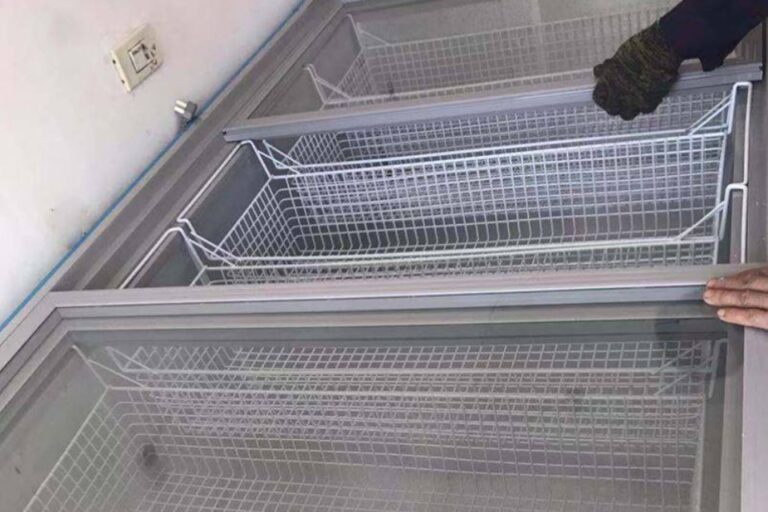
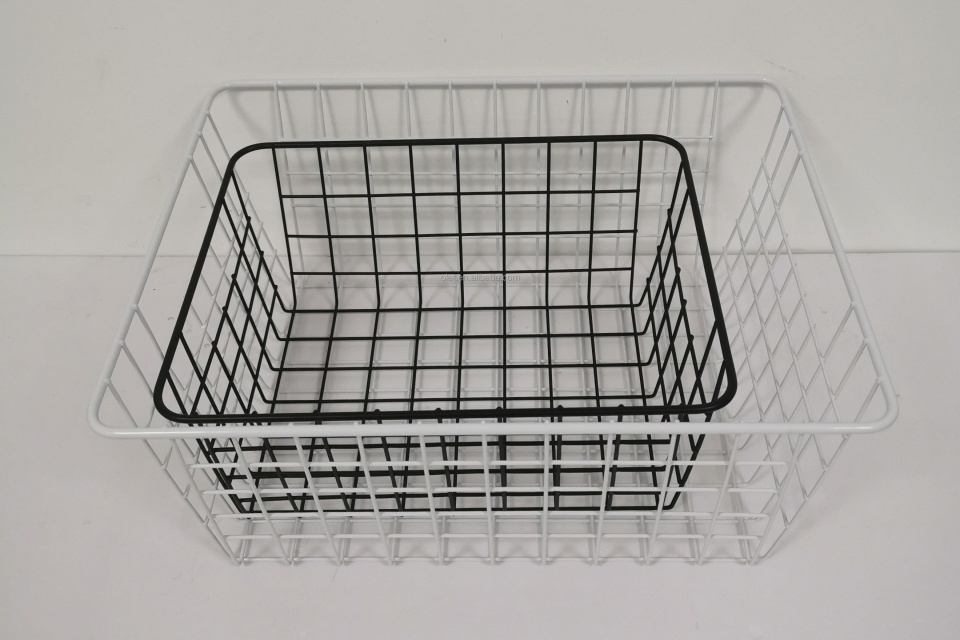
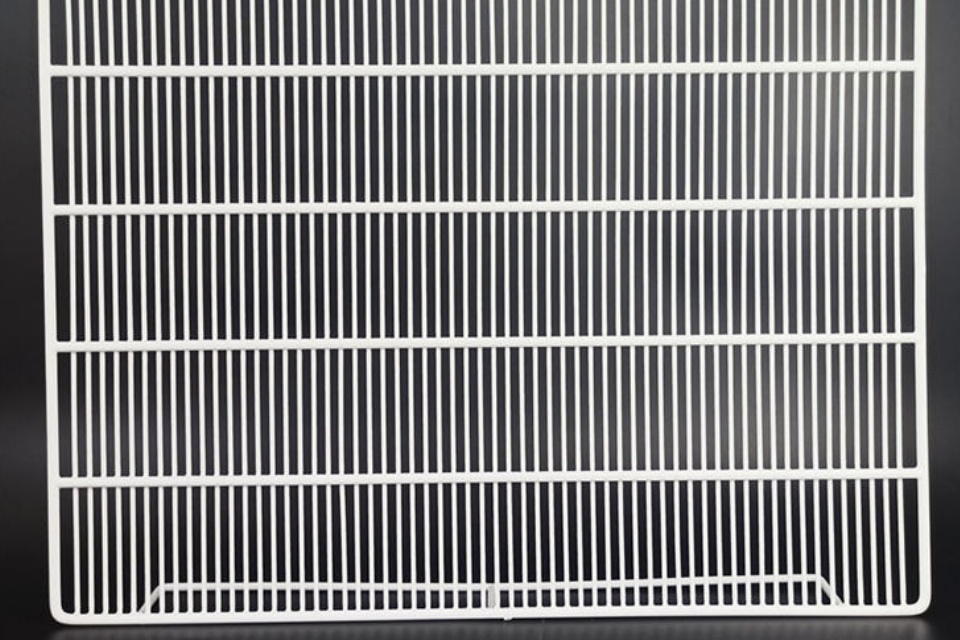
Freezer assemblies aren’t only electronics. They’re also baskets, racks, dividers, rear mesh, and the “boring” wire parts that hold everything in place. And buyers judge you on the whole package. One weak link ruins trust.
Ecco perché WireShelvingMFG doesn’t just talk about quality. The brand has to prove it in repeatable process.
When you hold tight AOI/SPI control, you reduce surprises. That helps the whole supply chain stay calm.
Also, if you offer corrosion-resistant finishes on wire parts, buyers often expect the same “no surprises” mindset on electronics and assembly. They may not say it out loud, but they feel it.
Peak Condition Means People, Not Just Machines
This is the part many teams skip: AOI/SPI health depends on people behavior.
Two quick wins:
- Train operators to identify “bad image” vs “bad board.”
- Rotate one tech as inspection owner each week (short duty, clear checklist).
If you don’t do this, you get the classic loop: the system starts throwing calls, operators get annoyed, they override more, then you lose trust in the tool. After that, AOI becomes a fancy camera.
A Simple “Peak Condition” Schedule You Can Steal
Here’s a no-drama schedule:
- Daily: wipe optics area + run golden sample + verify reject path
- Weekly: lighting check + conveyor checks + quick program review
- Monthly: calibration verification + trend review + validate top 5 defect types
- After any change: re-validate (new paste, new stencil, new lighting module, software update)
Do this and you’ll see fewer “mystery” issues.
And yes, Cold storage builds punish weak process. The line that “usually works” isn’t good enough when the unit runs 24/7.
Close It Out: Keep It Boring, Keep It Working
Keeping AOI and SPI in peak condition isn’t magic. It’s routine. It’s cleaning, calibration, and program control. It’s also small habits that stop drift before drift turns into scrap, rework, and customer pain.
If you do one thing this week, do this: run a golden sample and davvero look at the image. If it looks weird, don’t ignore it. Fix it fast. Your future self will thank you, for real.
Product line reference: https://wireshelvingmfg.com/freezer-components/