
You’ve probably heard this in a meeting: “We need AOI.”
Then someone else says: “No, SPI first.”
Both people might be right. They’re just looking at different failure points.
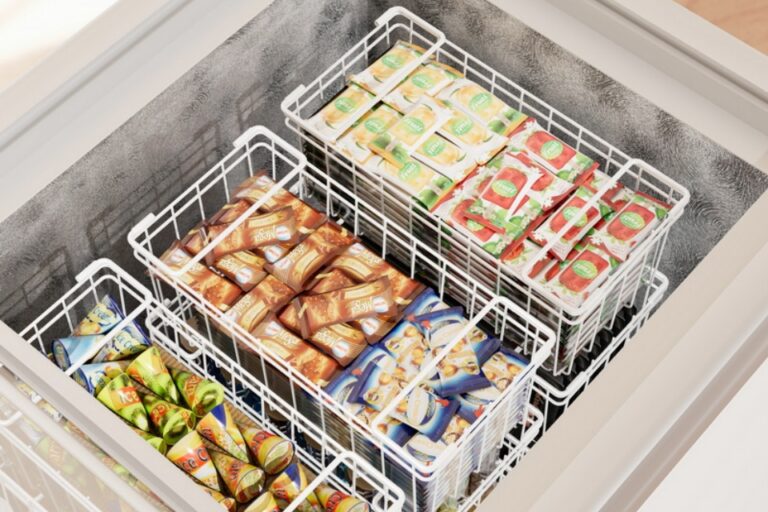
Think of your SMT line like a 冷蔵室. You don’t fix chaos by adding one more shelf. You fix it by putting the right layer in the right place, so product flows clean and nothing falls behind the racks. That’s the mindset you want for inspection too.
目次
SMT Inspection Goals In A Real Production Line
You don’t buy inspection to “see defects.”
You buy it to stop three ugly things:
- Rework loops that eat your schedule.
- Escapes (bad boards that ship anyway).
- Line stops because someone doesn’t trust the process.
And yes, you also buy it to calm down the daily drama: false calls, finger-pointing, and that one operator who “knows by feel.”
SPI and AOI both help, but they help at different time. Pick the wrong one first, and you’ll still suffer.
SPI Inspection For Solder Paste Printing
SPI means Solder Paste Inspection. It checks your paste deposits right after printing.
If your paste is off, everything downstream gets weird. Placement can look fine, but the solder joint won’t.
What SPI Measures In 3D Solder Paste Inspection
Most modern SPI focuses on a few core checks:
- Volume (how much paste sits on the pad)
- Height (how tall the paste brick is)
- Area / coverage (how much pad gets paste)
- Offset (is the paste centered)
- Shape (smears, slumps, dog-ears)
You don’t need to obsess over every chart. You just need stable prints.
Defects SPI Catches Before They Blow Up
SPI shines when your pain starts at print:
- Insufficient paste (classic opens later)
- Excess paste (bridging risk)
- Paste offset (skewed wetting)
- Smear (stencil wipe issues)
- Clogged apertures (random missing paste)
SPI works like a “gate” before placement. It stops bad paste from turning into bad solder joints.

AOI Inspection For Placement And Solder Joints
AOI means Automated Optical Inspection. It uses cameras (and sometimes 3D tech) to check parts and solder results.
AOI can sit in two common spots, and that changes what it’s good at.
Pre-Reflow AOI For Placement Quality
Pre-reflow AOI checks boards after placement そして before the oven.
This is where it saves you from the dumb, expensive mistakes:
- Missing components
- Wrong polarity (diodes, electrolytics, LEDs)
- Rotation errors
- Placement offset
- Coplanarity problems (part not sitting flat)
People like it because it prevents “baking in” a bad build. Once a board goes thru reflow, fixes get harder and slower.
Post-Reflow AOI For Solder Joint Verification
Post-reflow AOI checks after reflow, so it can catch:
- Solder bridges
- Solder balls (sometimes)
- Lifted leads (some packages)
- Tombstoning (chip parts standing up)
- Visible opens / insufficient wetting (depends on package)
Here’s the catch: AOI can’t see everything.
For example, hidden joints under some packages can stay invisible. That’s when teams talk about AXI, but that’s another topic.
AOI Vs SPI Comparison Table For SMT Inspection
| 項目 | SPI (Solder Paste Inspection) | AOI (Automated Optical Inspection) |
|---|---|---|
| Typical location | After printer | After placement (pre-reflow) and/or after reflow |
| Best at catching | Print defects (paste volume/height/offset) | Placement errors and visible solder/assembly defects |
| Stops problems when | Before parts go down | Before oven (placement) or after oven (solder result) |
| Common “line pain” solved | Random opens, bridges tied to printing | Missing parts, polarity errors, rotation, post-reflow defects |
| Risk if you skip it | You chase ghosts later | You ship escapes or drown in rework |
If your defect data screams “printer,” SPI is the fast win.
If your defect data screams “placement mistakes,” AOI feels like oxygen.
Choose The System Based On Your Line Pain Points
Don’t pick tools based on what a vendor demo looks like. Pick based on your top recurring fails.
High-Mix And NPI Changeovers
If you run lots of SKUs and quick changeovers, you need fast feedback.
- If new builds show paste swings, SPI helps you stabilize printing across boards.
- If new builds show program mistakes (wrong part, wrong polarity), pre-reflow AOI protects you.
High-mix lines usually end up with both, because the changeover risk is just… alot.
Volume Production And FPY Pressure
If you chase FPY (first pass yield) every day, think about “where defects start.”
- If most defects trace back to print settings (wipe, squeegee pressure, stencil condition), SPI pays back fast.
- If most defects trace back to placement drift (feeder issues, nozzle wear, vision mis-picks), AOI helps you catch it before it becomes a customer issue.
Fine Pitch And Tight Process Windows
When you build small stuff (fine pitch, tiny passives), your window shrinks.
- SPI helps because paste volume and offset matter more.
- AOI helps because placement accuracy matters more.
This is why engineers stop arguing and run a layered setup.
Layered Inspection Strategy With SPI + AOI
If you can only buy one tool today, pick the one that hits your biggest failure bucket.
But if you’re building a “grown-up” line, layering wins.
Here’s a clean way to think about it.
| Process step | Tool | What you check | What you do next |
|---|---|---|---|
| Printing | スパイク | Paste volume/height/offset/shape | Adjust printer, stencil wipe, alignment |
| Placement | AOI (pre-reflow) | Missing, polarity, rotation, offset, coplanarity | Fix program, feeders, nozzles, pick height |
| Reflow result | AOI (post-reflow) | Bridges, tombstone, visible opens, solder quality | Tune profile window, confirm paste + place stability |
The big value isn’t “more inspection.”
The big value is faster root cause with less yelling.
A practical tip: build a “golden board” routine (a known-good reference). It reduces false calls and saves your sanity. Dont skip that step.

How This Connects To Cold Storage Room Multilayer Wire Shelving
A cold room works best when storage stays organized and repeatable.
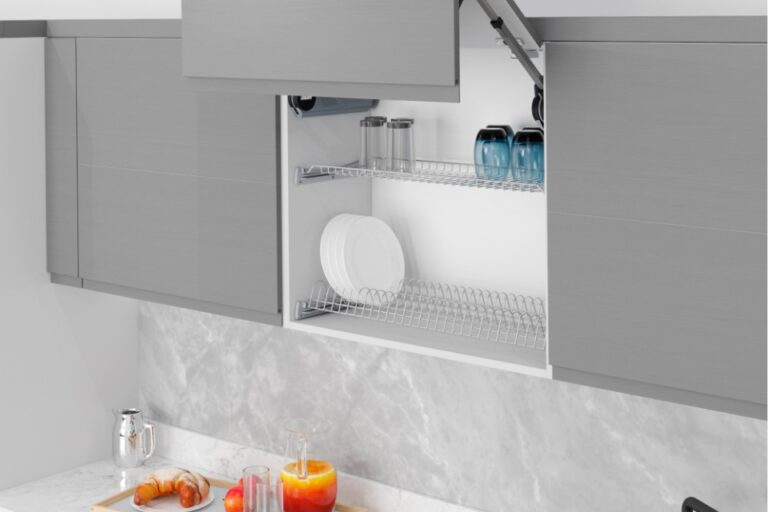
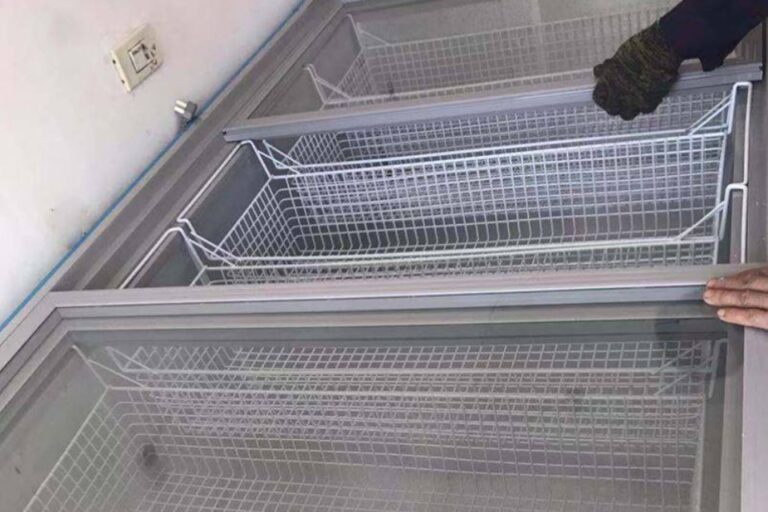
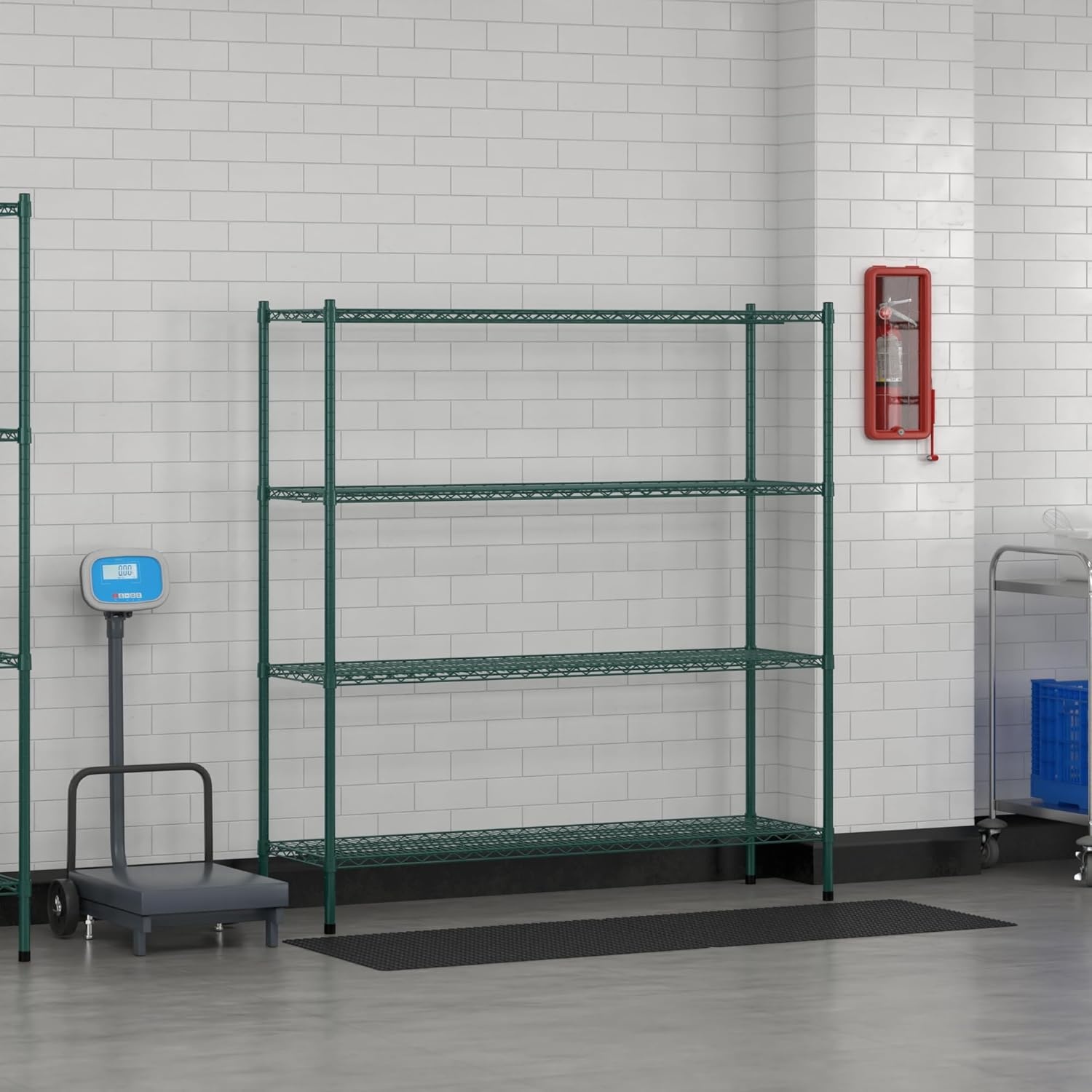
That’s why multilayer wire shelving exists. You add layers, but each layer has a purpose: airflow, access, load handling, and clean zoning.
It’s the same logic for inspection:
- SPI is like the bottom shelf that keeps heavy boxes stable. If it fails, everything above wobbles.
- Pre-reflow AOI is like labeling and slotting. It stops wrong items from going into the wrong lane.
- Post-reflow AOI is like the final check before shipping out of the cold room.
If you’re building cold storage systems, you already understand layered design.
That’s exactly what we build on the hardware side too. We do custom ODM & OEM work, so you can bring drawings or let us design around your workflow. If you’re planning cold room storage projects, this category page shows the idea of modular layers and real use cases: 冷蔵室多層ワイヤー棚.
And if your project touches broader cold-chain parts, you can also look at 冷凍庫部品 そして 冷凍ユニット部品. For airflow and protection panels, teams often pair shelving with リアメッシュ. If you need a build-to-spec program, start from our OEM/ODMサービス. If you’re speccing a full ワイヤーシェルフ lineup across SKUs, it helps to keep the system consistent.
One more thing: when teams ask for “fewer surprises,” they usually want two things—stable quality and stable supply. That’s where QIAO fits in naturally. It’s the same promise: reduce variation, keep the output consistent, and make scaling less painful.
A Quick Checklist To Decide This Week
Use this simple filter:
- You see opens/bridges tied to printing drift → start with スパイク.
- You see missing/rotated/polarity mistakes → start with プリリフローAOI.
- You see post-reflow solder defects and customer returns → add post-reflow AOI.
- You run high-mix and want less chaos → plan SPI + AOI as a staged rollout.
If you want, tell me your top 3 defect types (like “tombstone, bridge, polarity”). I’ll map them to an SPI/AOI setup and a no-drama action plan.