
心配しないで、すぐに上司に連絡してください
慌てずに、私たちのボスに直接ご相談ください。通常1時間以内に返信します。
ワイヤーシェルビング製品の中国トップメーカー
ワンストップワイヤシェルビングメーカーOEM / ODM
SSL/3.0を使用してお客様のプライバシーを暗号化します。
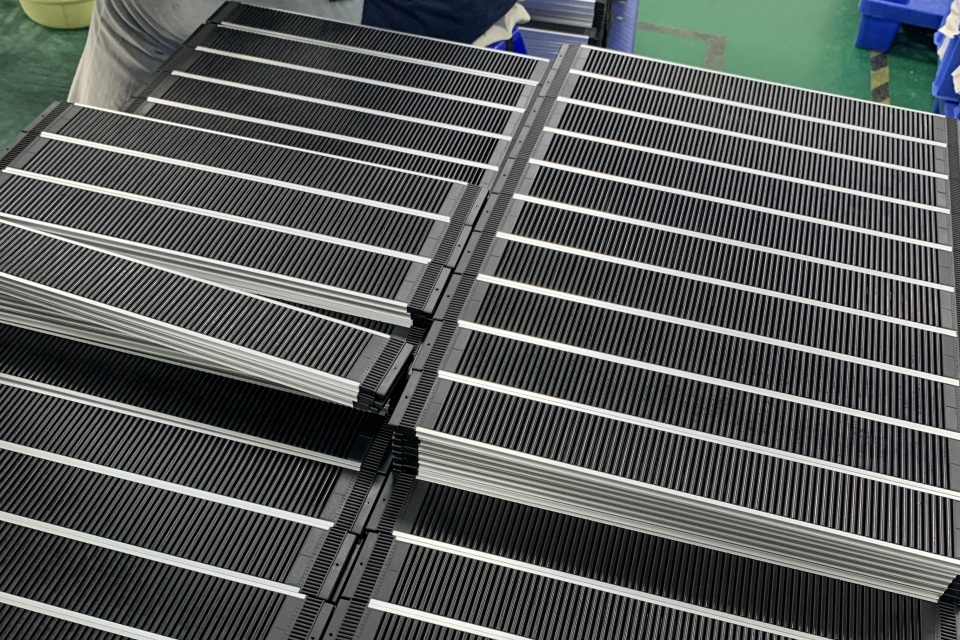
Thermal profilers show what your parts really feel in the oven. Learn how to choose channels, shields, and software for steady freezer wire shelving quality.
You can run a factory on “pretty good.”
But if you build parts for 冷蔵室, freezers, and busy warehouses, “pretty good” turns into callbacks fast.
That’s where a thermal profiler earns its keep.
Most people hear “thermal profiler” and think about SMT reflow ovens. That’s fair. But the same idea shows up in powder coating cure ovens, dry-off ovens, and any heated process where you need a repeatable temperature vs time result.
And yes, we do this kind of work in real life at チアオ. We build ワイヤーシェルフ と OEM/ODM support. Sometimes you bring the drawing. Sometimes you bring only a pain point. Either way, the heat step needs to behave.
If you sell or buy 冷凍庫用ワイヤーシェルビング, this topic hits home.
Here’s the trap: someone writes down oven zone temps, belt speed, and airflow settings. They call it “the profile.”
That’s not the profile.
A real profile follows the part. It tells you what the metal actually felt—especially the thick weld spots, the corners, and the high-mass areas that heat slow. Those spots love to drift.
When you profile the part, you answer questions like:
Think of it like baking bread. The oven dial says 200°C. But your loaf might be raw in the center. The only truth is the loaf temp.
Every heated process has a process window. You need enough heat for long enough time. But you also need to avoid damage.
In freezer wire shelving production, that “damage” can look like:
A profiler helps you lock the window. It also helps you prove it, which matters when you run ISO-style quality systems and you need traceability.
| What you measure | Why it matters in production | What you see when it’s off |
|---|---|---|
| Ramp-up rate | Controls how smooth heat enters the part | orange peel, blisters, weird texture |
| Soak / dwell time | Ensures the whole part catches up | center “lagging” behind edges |
| Peak metal temperature | Avoids over-bake or missing cure | discolor, adhesion drops, finish cracks |
| Cooling slope | Impacts stress and finish look | micro-cracks, warp, inconsistent appearance |
| Repeatability (run to run) | Keeps Monday = Friday | random defects that feel “ghosty” |
(Yep, “ghost defects” is a shop-floor phrase. You can’t fix what you can’t see.)
People love arguing about the oven recipe. But the defect doesn’t care about opinions.
It cares about basics:
If you run powder coating, your powder supplier gives a target like “metal temp X for Y minutes.” I won’t throw exact numbers at you because every powder and part is different, and you asked to avoid cost math and silly precision. But the rule is simple:
You cure the metal, not the air.
You coat a freezer shelf batch. It looks fine at the end of the line. Two weeks later, the customer loads it, bumps it, and a corner chips easier than usual.
What changed? Often it’s one of these:
A thermal profiler makes this boring again. Boring is good.
If you only profile during setup, you miss the real enemy: drift.
Ovens drift. Sensors drift. Airflow changes when fans age. Belts wear. Operators change loading habits. Even seasonal humidity can mess with coating behavior.
So you want a simple routine:
This isn’t fancy. It’s just disciplined.
And when a customer asks, “Why does this batch look different?” you can pull data instead of vibes. That’s a very real commercial advantage. Less arguing. Faster containment.
Don’t shop by brand name or the prettiest screen. Shop by フィット.
| Channels | 最適 | Watch-outs |
|---|---|---|
| 4–6 | simple parts, quick checks | you might miss hot/cold corners |
| 8–12 | most coating ovens and wire shelving builds | good balance for “real” mapping |
| 16–20+ | big racks, complex assemblies, full oven mapping | more setup time, more wires to manage |
If you build freezer wire shelving with multiple shelf sizes and load patterns, 8–12 channels usually feels “just right.”
You need stable readings. You also need a plan for calibration. If the tool can’t hold calibration, the charts lie. Then you’re back to guessing.
Also check the thermocouple type you’ll use most (many shops live on K-type). Make sure your profiler and software handle it clean.
If the profiler + barrier doesn’t fit your oven path, it becomes a paperweight.
自分自身に問いかけてみてほしい:
This matters a lot in retrofit lines. It matters even more when you add new racks and fixtures.
Good software should help you:
You don’t need a PhD. You need something a tech can run at 7am when the line is waiting.
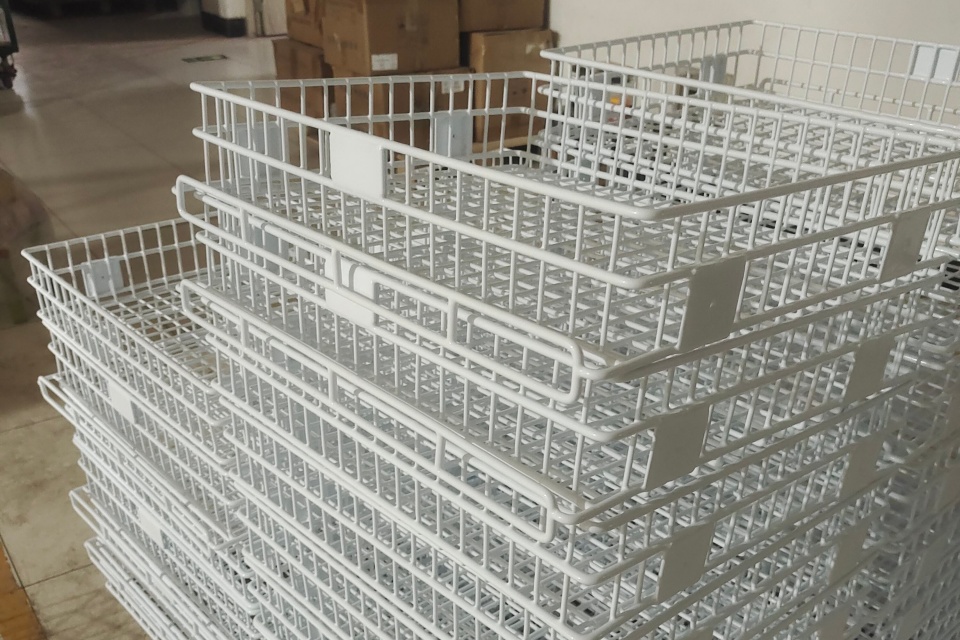
Let’s tie it back to what you sell.
Freezer environments are rough:
So the finish and build quality matter. A stable cure profile helps you deliver:
This is also where OEM/ODM work gets tricky. One customer wants heavier wire. Another wants different coatings. Another wants a new shelf geometry. Each change shifts the thermal behavior. Profiling keeps you in control instead of chasing defects.
(And yeah, sometimes the problem is as simple as “we loaded the rack different.” It happens. Don’t feel bad.)
| Question | If your answer is “yes” | What to prioritize |
|---|---|---|
| Do we run different shelf sizes and load patterns? | your part temps vary a lot | 8–12 channels, fast setup |
| Do we rely on corrosion-resistant finishes? | cure window is critical | repeatability + reporting |
| Do we need ISO-style documentation? | traceability matters | easy exports + profile storage |
| Is our oven clearance tight? | barrier might not fit | slim barrier, verified dimensions |
| Do we troubleshoot defects often? | you need comparisons | overlay tools + alarms |