
If you’re planning SMT line automation, PCB handling is where the line either flows… or it chokes. One weak conveyor, one buffer that’s “kinda” wrong, and suddenly your fancy printer and pick-and-place sit there waiting. Not fun.
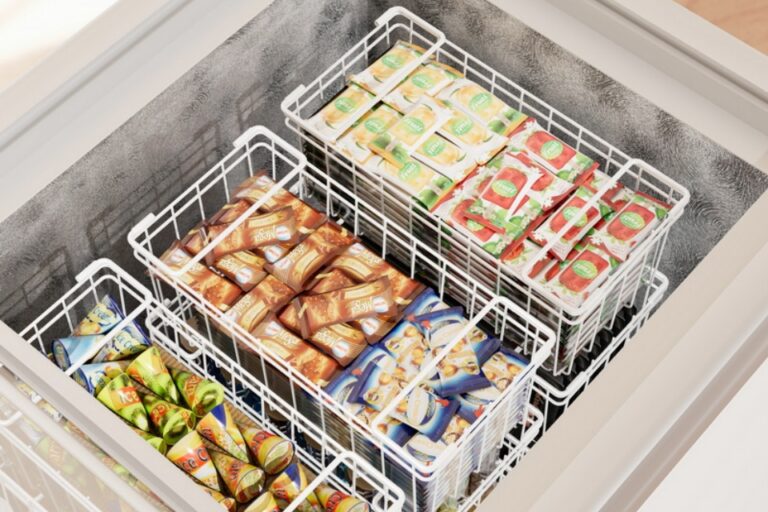
Also, don’t forget the boring stuff. You still need storage, racks, and clean flow around the line. That’s where 냉장실 구성 요소 and solid shelving layouts quietly save your day (more on that later).
목차
Production Goals and Bottlenecks in SMT Line Automation
Before you pick a machine, pick a target. Sounds obvious, but people skip it.
스스로에게 물어보세요:
- What’s your 소요 시간 target?
- Where does the line stop most often right now? Printer? Reflow? AOI? Unload?
- Do you need more throughput, or do you need less chaos (less line stop, less WIP mess)?
Here’s the truth: if you don’t name the bottleneck, you’ll buy the wrong tool. Then you’ll blame the vendor. Been there, seen that, it happens a lot.
PCB Handling Machines as Functional Blocks
“PCB handling machines” isn’t one thing. It’s a set of building blocks:
- PCB conveyor
- PCB loader / PCB unloader
- PCB buffer
- PCB flipper
- PCB turn / shuttle / diverter
- NG/OK sorter
- Destacker / stacker
Think of it like traffic. Conveyor is the road. Buffer is the parking lot. Loader is the on-ramp. If you build a road with no parking, your line will still jam.
PCB Conveyor Selection
A PCB conveyor looks simple, but it decides daily uptime.
Board Size Range and Board Support
Start with board size and board stiffness:
- Max/min PCB length and width
- Thickness range
- Edge clearance (components hanging off the edge? it’s real common)
- Need for center support (thin board + long span = sag city)
If your boards are flimsy, a “standard” edge-rail conveyor can scratch, flex, or just mis-track. Then you get random stops that nobody can explain. Super annoying.
Width Adjustment and Changeover
If you run high-mix, changeover speed matters more than people admit.
찾습니다:
- Manual vs motorized width adjust
- Recipe recall
- Tool-less adjustments
If changeover takes 10 minutes and you do it 10 times a shift… your “automation” feels like manual work with extra steps.
Sensors, Stop Gates, and Jam Recovery
Ask about:
- Board presence sensors (how many, where)
- Stop gate repeatability
- Jam recovery behavior (does it fail safe, or fail angry?)
A conveyor that clears jams fast keeps operators calm. A conveyor that doesn’t… makes your floor feel cursed.
PCB Loader and PCB Unloader
Loaders/unloaders are the quiet guardians of steady flow. Pick the wrong magazine setup and you’ll get constant babysitting.
Magazine Handling and Compatibility
Confirm:
- Magazine type and pitch
- Auto clamp behavior
- Misload detection
If your magazines vary (and they will), you need tolerance. Otherwise you’ll get that classic “works on day one, breaks on day two” vibe.
Upstream/Downstream Timing
Don’t just ask “how fast.” Ask “how it syncs.”
- How does it handshake with upstream/downstream?
- Does it block the line during magazine swap?
- Can it buffer one board during transfer?
A loader that pauses the whole line for magazine changes is basically a line-stop button with wheels.
PCB Buffer and FIFO/LIFO Strategy
Buffers save lines, but only when they match your process logic.
FIFO vs LIFO and WIP Control
- FIFO buffer helps when sequence matters (traceability, inspection flow).
- LIFO buffer can be useful for space or quick relief, but it may mess with flow if you’re not careful.
This is where “WIP is king” thinking can trap you. Too much buffer hides problems. Too little buffer makes every micro-stop turn into a big stop.
A good buffer plan keeps WIP controlled, not exploding like popcorn.
Interface Standards: SMEMA and Hermes
You don’t want integration drama. Yet… it happens.
SMEMA in Real-World Lines
SMEMA works for basic board transfer handshakes. It’s common, it’s simple, it’s everywhere.
But SMEMA doesn’t carry rich board data. So if you want stronger traceability, you’ll need extra steps (barcode systems, middleware, manual mapping).
Hermes for Data-Driven Handoffs
Hermes-style thinking pushes board ID + data to move with the board, not just a “ready/not ready” signal.
In mixed lines, you may run SMEMA on older machines and Hermes-ready systems on newer ones. That’s normal. Just plan it early, or you’ll be doing last-minute cable wizardry at 2 a.m.
Traceability and Line Control
If you care about real automation, you care about control.
찾습니다:
- Barcode / QR scan options at transfer points
- Recipe management (width, speed, stop position)
- Alarm logs that humans can understand
A machine that only says “Error 37” is not your friend. You want plain language alarms, even if the English is a bit weird.
Layout, Footprint, and Maintainability
A perfect machine that nobody can service is a bad machine.
Check:
- Footprint and aisle clearance
- Service access (which side, how much space)
- Cable routing and floor safety
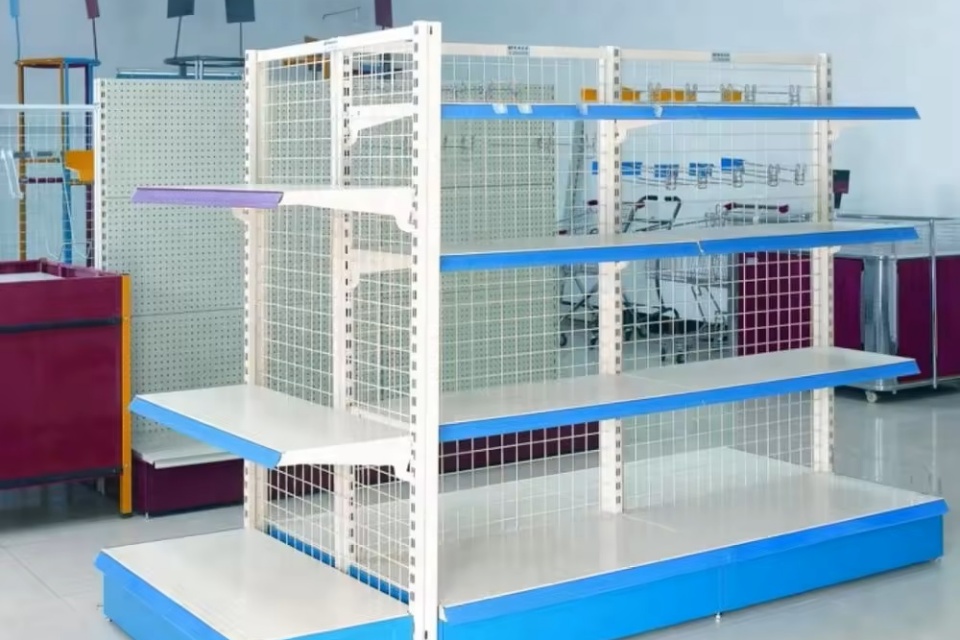
Leave room for humans. Your techs still need to work, eat, and breathe. If they can’t reach a sensor, they’ll bypass it. Then the line gets spooky.
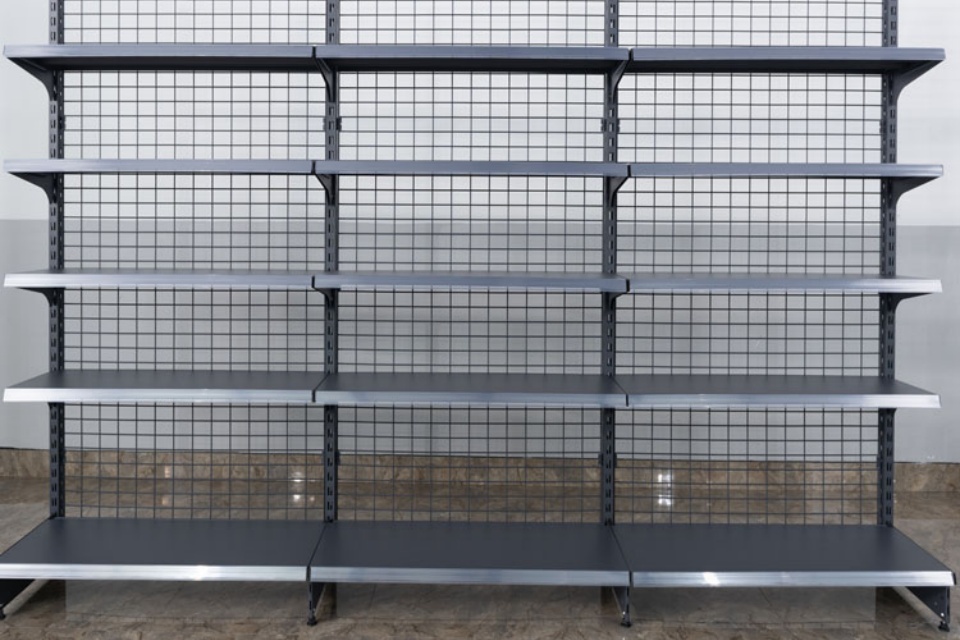
Cold Storage Room Multilayer Wire Shelving for Automation Support
Here’s the part most PCB handling guides ignore: materials handling around the line.
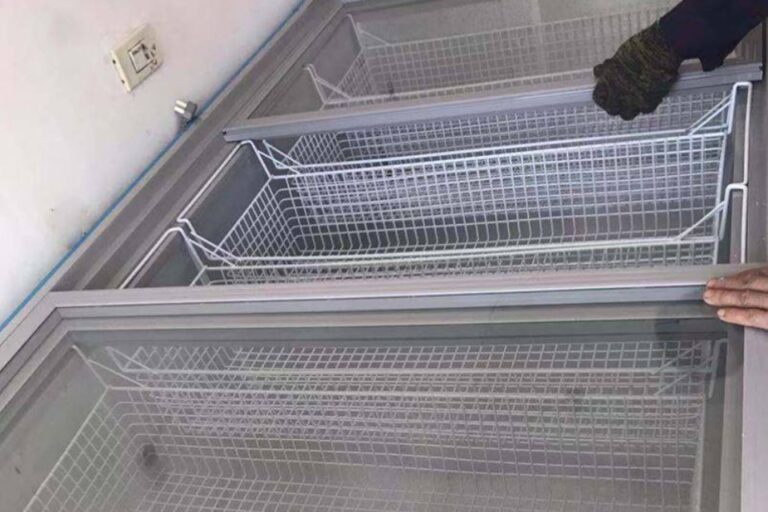
If you run solder paste, adhesives, or other temperature-sensitive materials, you likely use 콜드 스토리지. If 콜드 스토리지 is messy, the line gets messy too. Then FIFO breaks, labels fall off, and someone grabs the wrong jar. Oops.
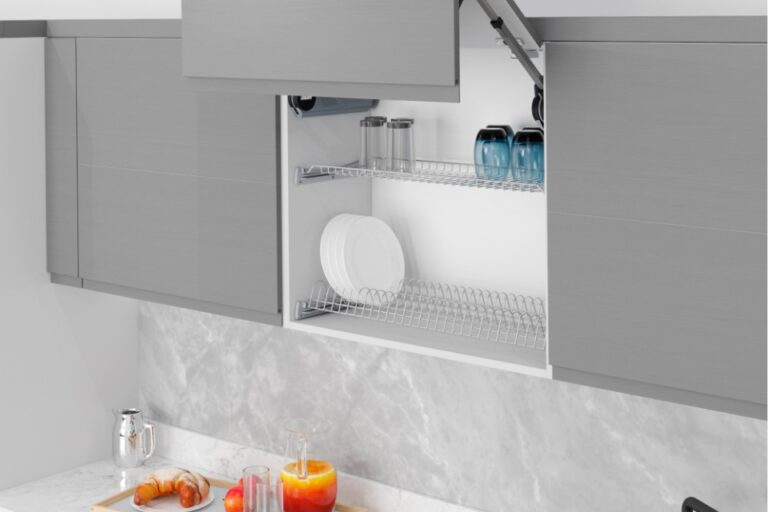
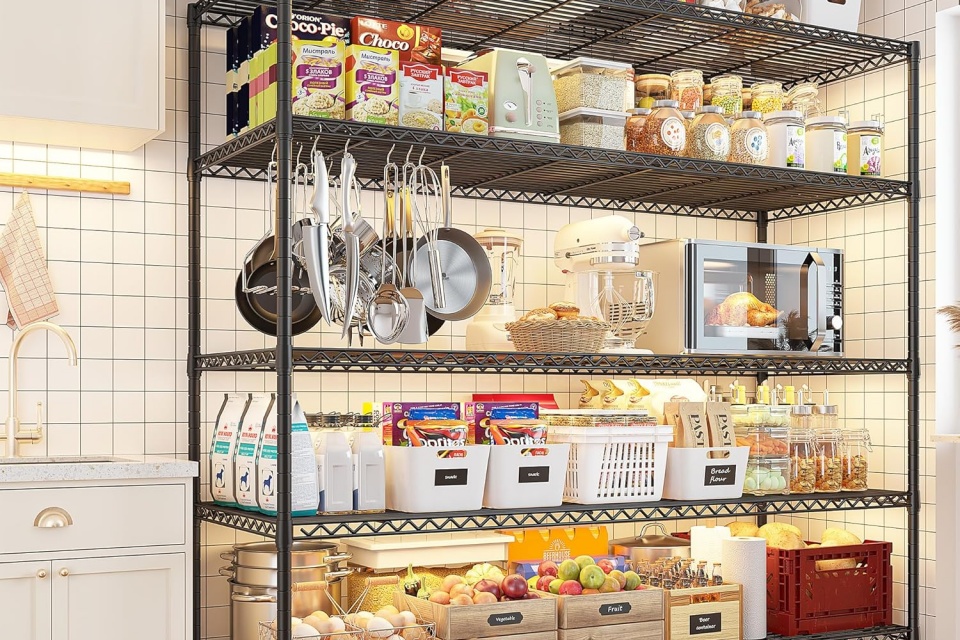
그렇기 때문에 냉장실 다층 와이어 선반 matters in automation projects. You’re not just moving boards. You’re managing the whole flow system.
If you need corrosion-resistant finishes, stable load capacity, and a layout that actually supports FIFO, check this product category:
냉장실 다층 와이어 선반: https://wireshelvingmfg.com/cold-storage-room-multilayer-wire-shelving/
And yes, this ties back to your PCB line. A clean cold room setup reduces wrong-material events, and those events cause line stops. Simple.
Quick Selection Table for PCB Handling Machines
| Machine Type | 최상의 대상 | Key Specs to Confirm | Common Pain Point |
|---|---|---|---|
| PCB Conveyor | Basic transfer between process stations | Board size range, width adjust, sensors, ESD options | Random jams, slow changeover |
| PCB Loader | Feeding boards into the line | Magazine type, pitch, clamp, misload detection | Magazine mismatch, line pause |
| PCB Unloader | Collecting boards after process | Swap time, buffer behavior, detection | Overflow, operator babysitting |
| PCB Buffer | Micro-stop protection and WIP control | FIFO/LIFO mode, capacity logic, recovery | Hides bottlenecks, sequence issues |
| PCB Flipper | Top/bottom side process needs | Orientation control, timing | Misflip, wrong side runs |
| Diverter/Sorter | OK/NG routing, rework loops | Routing logic, sensors, traceability hooks | Wrong routing = chaos |
No cost numbers here, because cost changes fast and vendors play pricing games. Focus on fit first.
Practical Scenarios
High-Mix, Frequent Changeover
You want: fast width adjust, recipes, clear alarms, easy jam recovery.
If changeover hurts, your output will feel “stuck” even when machines are fast.
High-Volume, Stable Product
You want: reliability, simple handshakes, strong magazine handling, low downtime parts.
Here, a basic setup can beat a fancy one, if it runs clean.
Traceability-Heavy Production
You want: scan points, board ID flow, and consistent FIFO handling.
If you miss this, you’ll spend months patching data holes later.
Closing Thought
Choosing PCB handling machines isn’t a shopping trip. It’s system design.
Start with bottlenecks. Then pick functional blocks. Confirm board support. Decide FIFO/LIFO. Plan SMEMA vs Hermes integration. Protect changeover time. Keep layouts serviceable. And don’t ignore storage flow—your cold room shelving and material control can quietly make or break the line.