
When you build or upgrade an SMT line, the reflow oven is usually the big beast in the middle.
Pick it wrong, and the whole line choke. Pick it well, and everything flow smooth.
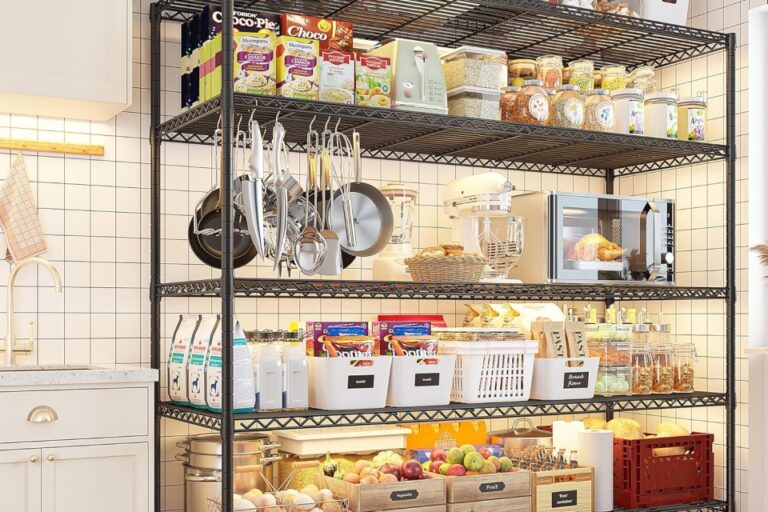
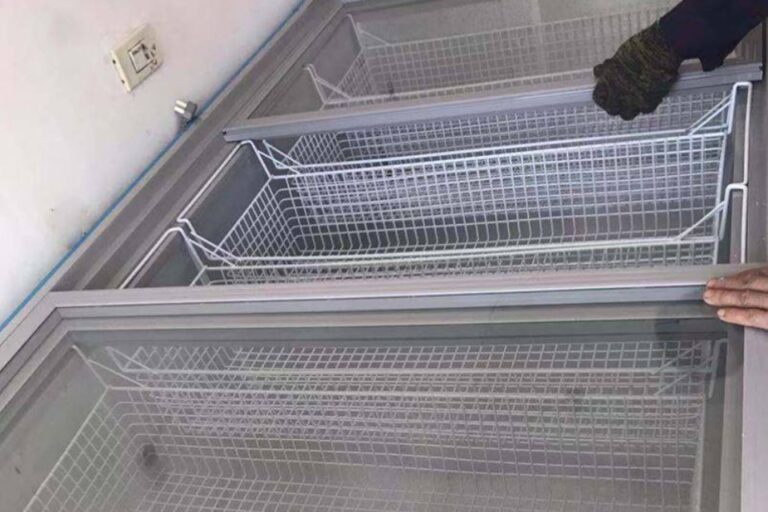
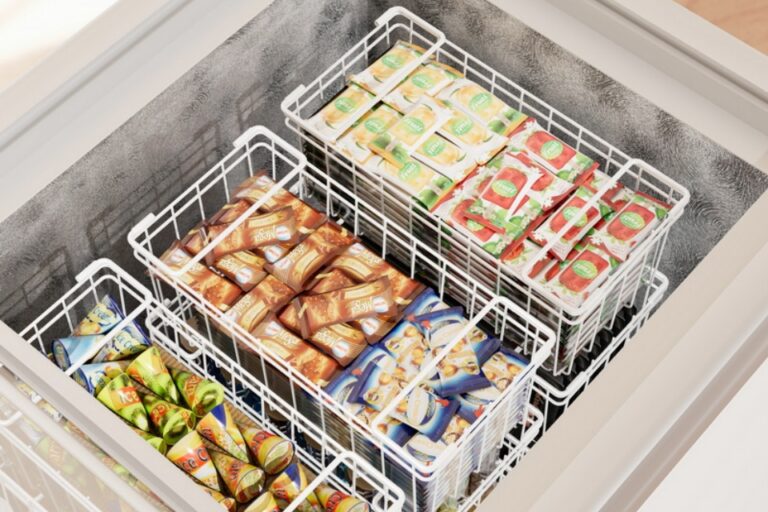
At the same time, you also thinking about storage, cold room, walk-in freezer, 와이어 선반, FIFO and so on. The SMT line and the warehouse are not two worlds. They are one system. That’s exactly where a custom factory partner like QIAO comes in: reflow side needs stable flow, storage side needs solid 냉장실 다층 와이어 선반 그리고 워크인 냉동고 와이어 선반 to keep material under control.
Let’s break the reflow part down in simple, real-factory language.
Reflow Oven Throughput Requirements
The first question is very boring but very real: how many boards per hour you need?
- 다음과 같은 경우 engineering build, NPI, prototypes, your SMT machine speed is not crazy. You stop often. You tweak profile.
Here, an entry-level reflow oven is usually enough. - If you run 24/7 mass production, your P&P machine already running fast. The oven must keep up, or it becomes the bottleneck.
You can think it like this:
- Entry-level oven = ok for low volume / high mix.
- High-capacity oven = designed for high volume / maybe lower mix, with stable cycle.
If your planner always complaining “line is blocked at reflow,” that’s a clear red flag. Time to look at a bigger gun.
Temperature Zones And Reflow Profile Control
Next thing: how many heating zones you really need.
- Many entry-level ovens come with around 4–6 heating zones.
Good for simple FR-4 boards, not too big, not too heavy, not crazy copper. - High-capacity ovens often have 8–10 or even more zones.
That means you can shape the preheat, soak, reflow, cool sections much more precision.
Why this matter:
- For power boards, thick copper, big ground plane, you need gentle preheat, or parts will tombstone or crack.
With more zones, you can tune one area without completely messing the others.
With short oven and few zones, you sometimes feel: “I fix the soak but now peak is wrong again.”
Automation Level, Data, And Line Balance
In many small lines, the operator still push racks, check boards by eye, change recipe by feeling.
That can work for proto. It doesn’t scale.
Entry-level reflow oven usually gives you:
- Basic HMI
- Simple recipe storage
- Maybe manual log of temperature
High-capacity reflow oven is more like a real process center:
- Full recipe management, barcode link, product changeover plan
- Temperature curve recording and SPC trend chart
- Alarm, interlock, sometimes MES link
When you try to balance line, you also look at:
- P&P cycle time
- Printer cycle time
- Reflow conveyor speed
If oven can’t reach target conveyor speed without killing the profile, you will always fight with “fake OEE”. The number looks okay on paper, but operators are stopping all the time.
Energy Use And Running Cost (No Fancy Math Needed)
Many bosses worry:
“Big oven sure eat a lot power, right?”
Yes and no.
- Entry-level ovens have lower total power. For few builds per day, they are friendly.
- High-capacity ovens have bigger heaters, more blowers, long tunnel. But when they run full load, the energy per PCB can actually be lower, because:
- Better insulation
- Better heat transfer
- Less scrap and rework
You don’t need to write full cost model in your blog. Just make one clear point:
“If you only reflow a few panels each shift, small oven is more sensible.
If you run heavy volume, high-capacity oven usually wins on cost per good board in the long run.”
Even with some grammar broken, the idea is crystal.
Factory Space, Layout And Cold Storage Support
Oven choice is not only about “hot” side. It also touches layout, logistics및 storage.
High-capacity ovens are:
- Longer
- Heavier
- Need better exhaust and fresh air
- Need a solid structural floor
So planner must think:
- How to place printer, P&P, AOI, reflow in straight line
- Where to buffer WIP trolleys and racks
- How to route material from incoming / cold room / freezer to line
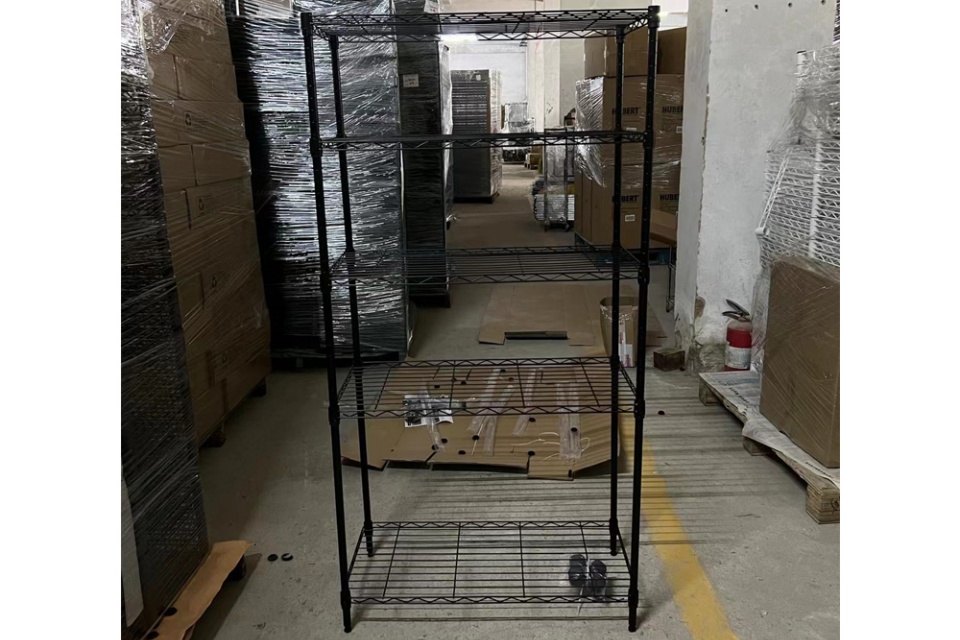
Here your 와이어 선반 actually plays big role:
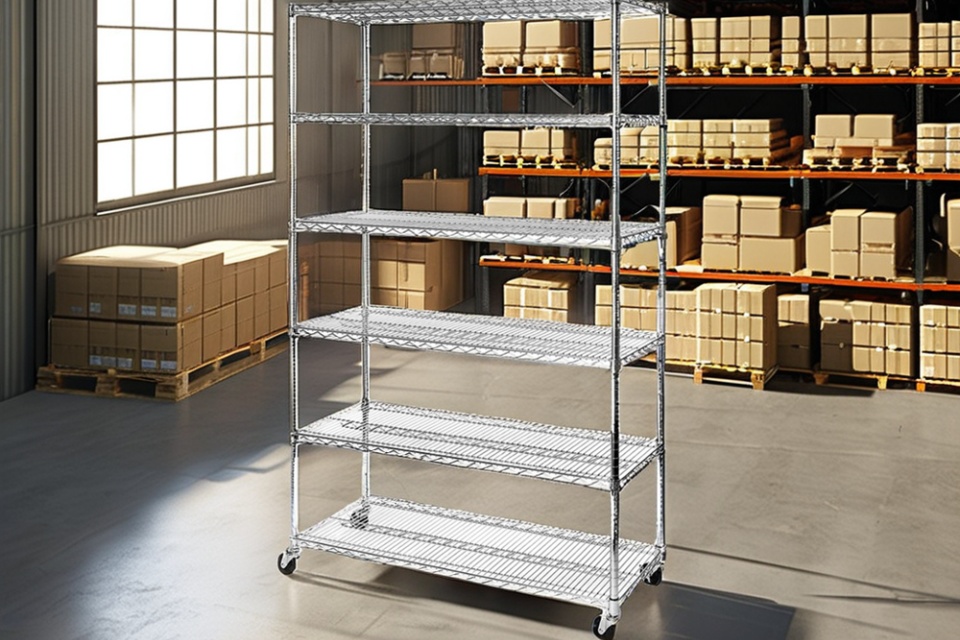
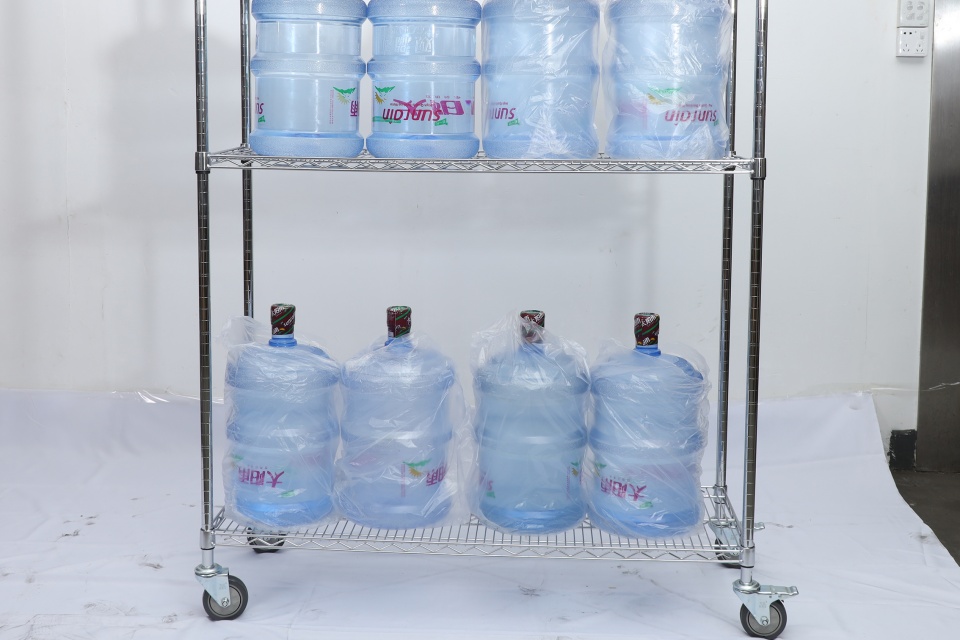
- Cold storage room multilayer wire shelving can keep paste, moisture-sensitive devices, and trays in good order, with easy labeling and FIFO.
- Walk-in freezer wire shelving helps you use the vertical space in freezer, so operator grab what they need fast, while door open time is short (protect temperature).
When you work with QIAO on custom wire shelving, you don’t just buy “racks”.
You match shelf size to:
- Reel carton width
- Paste box size
- ESD bins
- Walk-in freezer dimensions
Cooling side and heating side become one clean system, not two random islands.
When Entry-Level Reflow Ovens Make Sense
Let’s be fair. Not every factory need a monster oven. Entry-level unit is a good pick when:
- You are startup EMS, just build sample and small batch.
- You run many models, very high mix, no single product with big volume.
- You still exploring customer base, not sure demand will be stable.
- Your biggest pain point now is not throughput, but flexibility 그리고 cash pressure.
In this stage, it’s smarter to:
- Buy an entry-level reflow oven
- Use decent 와이어 선반 to keep material tidy
- Focus on building process know-how and customer trust
Later, when you grow, you can move this oven to NPI line.
When High-Capacity Reflow Ovens Are The Right Call
High-capacity oven becomes very logical when:
- P&P line already running fast, and reflow is the bottleneck.
- The business is clear: same or similar product, long-term orders, stable forecast.
- You need better profile control for dense boards, BGA, fine pitch.
- You run multi-shift or 24/7, and overtime in rework area is killing everyone.
In this case, a high-capacity oven plus a more lean factory layout (including proper cold storage room shelves, walk-in freezer shelves, staging racks by QIAO) will:
- Shorten total takt time
- Improve first pass yield
- Reduce firefighting on the line
Here the question changes from “Can we afford it?” to “Can we afford not to upgrade?”
High-Capacity Vs Entry-Level Reflow Ovens Comparison Table
| Criteria | Entry-Level Reflow Oven | High-Capacity Reflow Oven |
|---|---|---|
| Typical Production Volume | Low volume, proto, NPI | Medium to high volume, mass production |
| Product Mix | Very high mix, many changeovers | Fewer models or grouped by family |
| Heating Zones | Around 4–6 zones | Around 8–10+ zones |
| Profile Flexibility | Basic, enough for simple boards | High, good for complex and power boards |
| Automation & Data | Simple HMI, limited logging | Advanced recipes, curve data, MES link possible |
| Line Bottleneck Risk | Often okay for slow lines | Designed to keep up with fast P&P |
| Ideal Use Case | Start-up EMS, lab, R&D line | Main production line, 24/7 operation |
A Simple Checklist Before You Decide
- How many boards per day do you 정말 ship now?
- What’s the plan for next 2–3 years? Just “maybe grow” is not a plan.
- Are your current quality problem mainly from printer, P&P, or reflow?
- Do key customers ask for traceability and SPC data?
- Is there space, power, exhaust for a longer oven?
- Do you also need to re-layout storage, cold room, walk-in freezer wire shelving to support new line?
- Can QIAO help you redesign both the SMT line and the shelf system together, not separate project?
If you walk through these questions honestly, the answer “entry-level or high-capacity reflow oven” usually becomes quite clear. And your wire shelving, cold storage, and freezer layout will also fall into place, not just “some racks put somewhere”.