
걱정하지 마시고 즉시 담당자에게 문의하세요.
서두르지 마시고 지금 바로 상사에게 직접 문의하세요. 보통 1시간 이내에 답변해 드립니다.
중국 최고의 와이어 선반 제품 제조업체
원스톱 와이어 선반 제조업체 OEM/ODM
당사는 SSL/3.0을 사용하여 개인 정보를 암호화합니다.
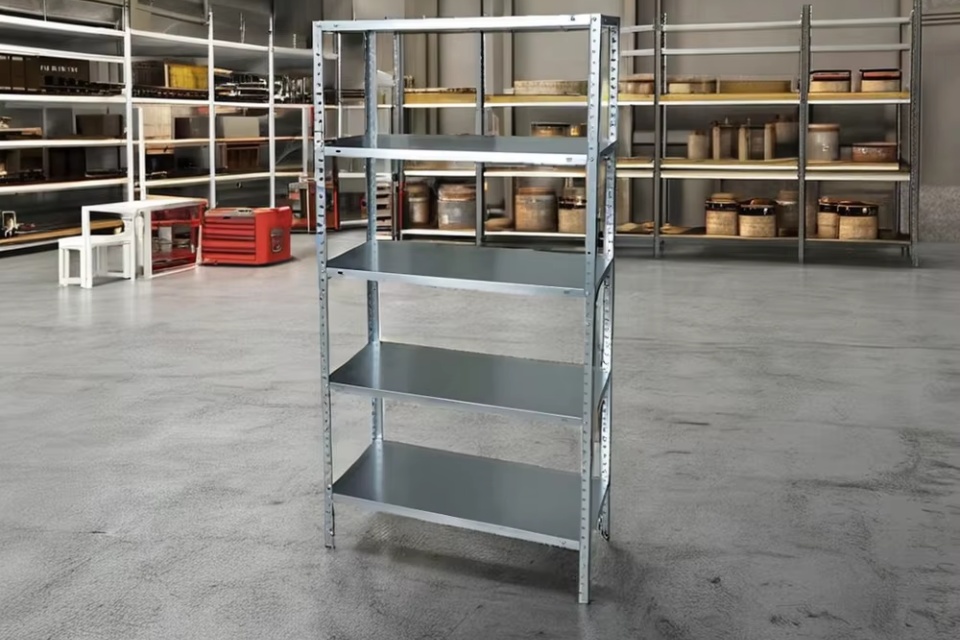
Improve SMT yield by choosing the right nozzle. Covers fit, vacuum stability, wear signs, maintenance triggers, and how custom wire shelving helps organize nozzles fast.
If your SMT line feels “mostly fine” but your 퍼스트 패스 수익률(FPY) keeps wobbling, look at the boring stuff first. No, not the fancy vision algorithm. Not the reflow profile. I mean the nozzle.
A nozzle is the tool that touches the part on every cycle. It’s the first contact when you pick. It’s the last contact when you place. So when the nozzle doesn’t match the component, you don’t get one neat defect. You get a whole messy chain: missed picks, dropped parts, skew, tombstoning, random AOI flags, and then… line down. Again.
Below are the key arguments (with real shop-floor scenes) for why correct nozzle selection lifts yield. I’ll also show tables you can use as a checklist on your line.
A nozzle must seal on the component’s top surface. If the tip is too small, you get a weak seal. If it’s too big, you may “ride” on edges, text, or a curved surface. Either way, the part can rotate, drift, or fall mid-move.
Scene: You run 0402s and 0603s all morning. Picks look OK. Then you switch to a molded inductor. Suddenly you see random drops at high speed. That’s often a seal mismatch, not a feeder issue.
Some parts behave like bricks. Others behave like tiny slippery bars. When the nozzle doesn’t support the part’s center of gravity, you’ll see theta errors, skew, and bad placement even if your camera “finds” the part.
Vacuum problems feel random because they are. Small leaks, cracked tubing, worn O-rings, or a nozzle tip that doesn’t seal well can produce defects that come and go.
Quick reality check: If you see a cluster of “no pick” and “dropped part” alarms that disappear after you wipe the nozzle… you just diagnosed a vacuum + nozzle pairing problem.
Most lines track placement rate and defects. Track pickup rate too. When pickup rate slips, your yield will follow. It’s not dramatic. It’s death by a thousand micro-fails.
A worn nozzle can be a little shorter, a little rough, or a little deformed. That small change can mess with placement height 그리고 placement force. Then parts don’t seat into paste the same way.
Nozzles get dirty fast. Paste strings, board dust, and fiberglass bits can sit right on the sealing surface. Now your nozzle looks fine, but it seals like trash.
Scene: You keep chasing “machine accuracy.” But after lunch, your AOI calls more skew. The nozzle tip is gunked up. Clean it, and the problem magically “goes away.” Yeah… thats not magic.
If the nozzle doesn’t hold the part flat, the component may land at an angle. That pushes paste unevenly. Now you invite tombstoning, insufficient wetting, or plain old misalignment.
Tiny parts don’t forgive sloppy nozzle fit. With 0201/01005, even mild rotation or bounce can show up as a defect spike.
Some LEDs, sensors, and coated components have soft or curved tops. A hard tip can slip or damage the surface. You may need a different tip material or a different cup design.
Connectors, shields, and tall electrolytics can wobble. You might need a nozzle that grips more stably, even if it costs a little speed. (And no, I’m not doing math on cost per hour here. You already know line down hurts.)
If you run high-mix, don’t rely on “Joe knows which nozzle works.” That system breaks the moment Joe takes a day off.
Make a simple nozzle library:
You probably have a feeder cart and a setup sheet. Do the same for nozzles. Otherwise, every NPI becomes a mini science project.
| What’s wrong | What you’ll see on the line | What to check first |
|---|---|---|
| Weak seal (tip too small / wrong shape) | No pick, dropped parts, random rotation | Tip size vs part top surface, seal area, vacuum level |
| Tip too large / rides on edges | Skew, theta errors, inconsistent placement | Tip OD vs part body, text/curves interference |
| Dirty tip (paste/flux/dust) | Defects increase over time, “after lunch” problems | Clean tip, inspect sealing surface, check filters |
| Worn or short nozzle | Height/force drift, parts not seated, tombstoning | Tip wear, length tolerance, nozzle crash history |
| Vacuum leak (O-ring/tube) | Bursts of no pick, intermittent alarms | O-rings, tubing, fittings, vacuum sensor trends |
| Sticky nozzle / release issue | Part stays on nozzle, placement miss | Tip material, release air, nozzle condition |
(Ranges are practical starting points. You still validate on your machine and parts.)
| Component type | Example package | Nozzle tip/cup rule of thumb | Risk if wrong |
|---|---|---|---|
| Tiny chips | 0201 / 0402 | Tip covers solid flat area, avoids edges | Rotation, drop, tombstoning |
| Medium chips | 0603 / 0805 | Slightly larger contact area, stable seal | Skew at speed |
| Large chips | 1206 / 1210 | More support, stronger hold | Slip during fast travel |
| Molded inductors | 4×4, 5×5, etc. | Tip matches top surface texture/shape | Drops, theta errors |
| QFN/QFP | 5×5 to 14×14 | Stable flat seal, good centering | Corner lift, smear, skew |
| Tall parts | connectors, headers | More stable grip (sometimes slower) | Wobble, placement bounce |
| Signal you track | What it usually means | 액션 |
|---|---|---|
| Pickup rate slowly drops | Tip contamination or wear | Clean, then inspect, then replace if needed |
| Drop rate spikes on one head | Nozzle damage or vacuum leak | Swap nozzle, check O-ring/tube |
| AOI skew increases after changeover | Wrong nozzle choice or poor library | Update nozzle library and setup sheet |
| Frequent “part stuck on nozzle” | Release issue / tip material mismatch | Check blow-off, change tip type |
Here’s the part most articles skip: yield isn’t only “machine settings.” It’s also how your floor runs.
Nozzles fail faster when you store them badly, mix them up, or let them roll around in a drawer. In high-mix lines, the fastest way to hurt yield is simple: wrong nozzle in the right job.
That’s where smart storage comes in.
If you’re building a cleaner nozzle workflow, your line benefits from:
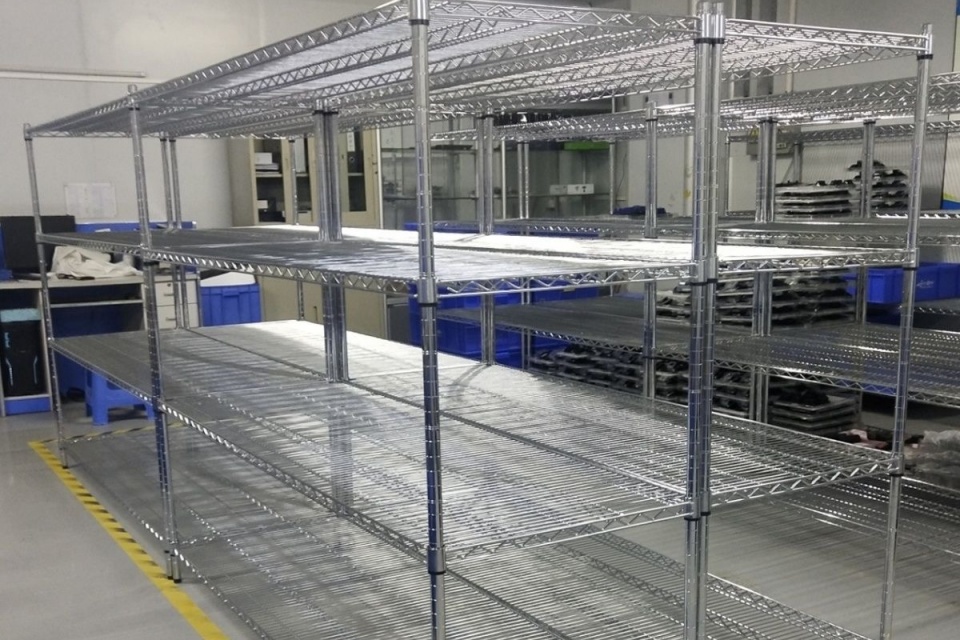
If you need racks that don’t match standard sizes, this is exactly the kind of thing WireShelvingMFG builds with ODM/OEM support. You can bring a sketch, or let the team design it with you. Start here if you want to see the custom options: 맞춤형 제품 그리고 비표준 와이어 선반.
Correct nozzle selection improves SMT yield because it stabilizes pickup, transport, and placement. It also reduces the weird defects that waste time and make people blame the wrong thing.
Treat nozzles like a controlled process, not a drawer of parts. Build a nozzle library. Track pickup rate. Store nozzles like you mean it. Do that, and your yield won’t feel so random anymore.