Maintaining Optimal Nozzle Performance: Cleaning And Replacement
This blog explains how to keep SMT nozzles in good shape with simple cleaning rules, clear replace signs, and better storage using custom wire shelving.
If you run an SMT line, you already know one thing: when nozzles go bad, the whole line feels sick. Parts fly, CPH drops, operators start “firefighting” instead of building boards.
Let’s talk in a simple way about how to keep nozzle performance stable, how to clean them, when to replace them, and how storage hardware (like custom wire shelving) quietly helps you hold that performance.
Table of Contents
Why SMT Nozzle Performance Drives Yield
Nozzles are the first and last thing that touch every component. If they don’t work well, nothing else really saves the line.
In daily production you will see problems like:
Parts not picked, vacuum “NG” all the time
Components shifting during move, then placed off-pad
Random drops between pick and place
Weird wear on heads and axes because the machine keeps “over-compensating”
All these issues link back to a few root causes:
Dirty nozzle tip or clogged hole
Worn or chipped nozzle edge
Wrong nozzle type for the package
Poor storage, no protection, no tracking
Good nozzles don’t just increase yield. They also cut “hidden” costs: less rework, fewer line stops, less time searching for that “one good nozzle” in a messy drawer.
SMT Nozzle Cleaning Methods And Schedules
Nozzle cleaning shouldn’t be random. It should sit inside your daily / weekly maintenance checklist, just like SPI glass cleaning or feeder inspection.
In real shops, you often hear: “We clean when the line complain.” That’s too late. A simple rule: clean on schedule, not only on alarm.
Common SMT Nozzle Cleaning Methods
You can compare the main options like this:
Cleaning Method
How It Works (short)
Best Use Case
Key Caution
Dry Cleaning
Wipe tip with lint-free cloth; blow air through nozzle
Light dust, daily fast touch-up
Air pressure not too high
Wet Cleaning
Cloth or swab with alcohol / cleaner, then dry with air
Flux film, solder paste, light residue
Don’t soak whole nozzle for too long
Mechanical Unclogging
Very fine pin or wire to open the hole, then air blow
Hard clog, when vacuum is almost zero
Easy to scratch the inner wall
Ultrasonic / Auto Washer
Basket of nozzles, ultrasonic + jets + drying in one machine
Batch cleaning, heavy residue, 24/7 lines
Time / power too high can harm coat
You don’t need to use every method every day. But you do need a simple plan, for example:
Daily: dry clean critical nozzles during changeover
Weekly: wet clean all standard nozzle sets
Monthly or per X hours: ultrasonic clean “high risk” nozzles (small size, fine-pitch parts)
If the line runs harsh jobs (lots of paste splash, heavy flux), you shorten the cycle. It’s okay if your plan is not perfect at first. Just log the cleaning and watch defect trends. You will quickly see when the line feel happier.
SMT Nozzle Replacement Criteria, Not Just “Feeling”
Many factories use “feeling”:
“This nozzle looks okay.” “Hmm, maybe still can use la.”
That style is risky. You need clear signs that say: stop cleaning, start replacing.
Typical Signs A Nozzle Should Be Replaced
Symptom You See On Line
Likely Reason
Risk For Production
Recommended Action
Vacuum low, even after careful cleaning
Inner wall worn or micro-crack
Frequent mis-picks, unstable CPH
Scrap nozzle, take out of pool
Tip edge chipped or obviously scratched
Crash with board, jig, or misaligned PCB
Off-angle placement, skewed parts
Replace; don’t “polish and pray”
0201 / 01005 parts block the hole very often
Hole too small + paste ingress
Many stops, operators keep “baby-sitting”
Replace with fresh small-hole type
Vision centering fails on one nozzle ID a lot
Tip surface not flat, coating damaged
Height / coplanarity issues, tombstoning
Replace and log nozzle ID
One nozzle ID has much higher throw-out rate
Bad batch, life already at end
Waste of expensive components
Pull full batch, re-qualify
You don’t need fancy software to start. A simple spreadsheet with:
Nozzle ID
Line / machine
Install date
Clean count
Replace date
…already helps you see which types die fast, and which ones are your “workhorses”.
How Storage And Handling Affect Nozzle Life
Even a perfectly cleaned nozzle fails early if you throw it into a random plastic box. Scratches, dust, bent tips… all come from poor storage.
This is where hardware choices in the factory matter. You’re not only managing machines. You’re managing how tools move and rest around the line.
For example, a simple but smart setup might use:
A dedicated nozzle cart next to the line
Labeled trays for each nozzle size
Separate shelves for “to clean”, “ready to use”, “to scrap”
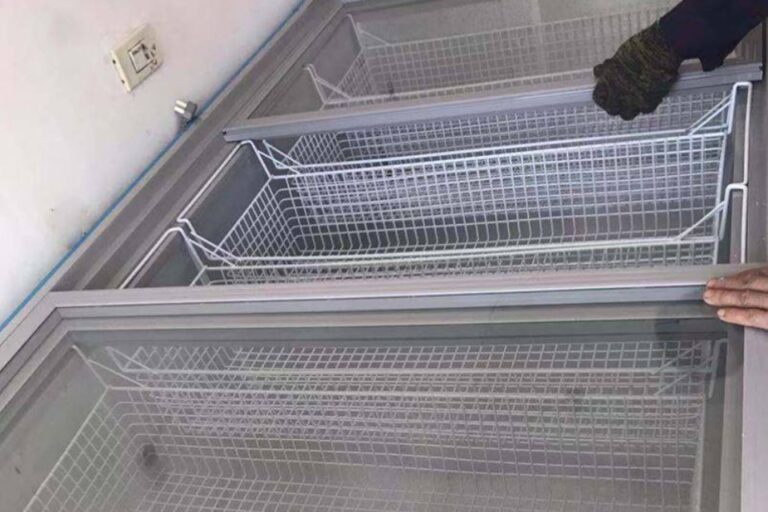
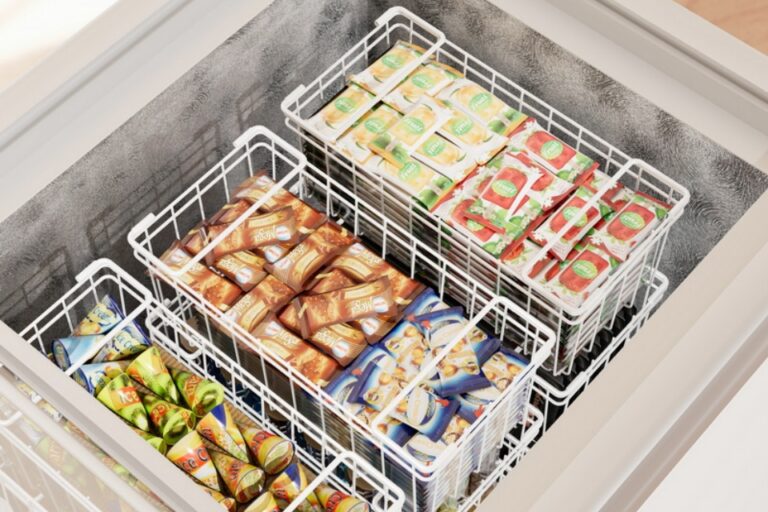
If you don’t have proper shelves or the current rack is “one size fits nobody”, you can use custom wire structures to build the exact station you need.
Add small dividers for nozzle trays, feeder bins, stencils, reels
Design special hooks for nozzle holders and cleaning baskets
Create mobile carts that move between SMT line, maintenance room, and warehouse
Because it’s wire, operators can see everything. They don’t dig in deep drawers. Air flows better, dust doesn’t sit so heavy. Is not magic, but it works pretty nice.
Non-standard Wire Shelving Around The SMT Line
Standard racks often don’t match SMT reality. You have:
Tall reels
Short feeders
Long squeegees
Delicate nozzle magazines
All these things want different spacing. If you try to fit them into one generic shelf, the result is mess.
Make 5S / 7S audits easier, because every part has a clear home
QIAO’s team often hears the same feedback: once the storage is clear, nozzle problems drop, even before a single engineering project starts. The line just behave more stable because people stop abusing the hardware.
Bringing It All Together In Daily Work
Let’s put the pieces into one simple routine you can actually use:
Define cleaning rules
Daily dry clean for key nozzles
Weekly wet clean full sets
Regular ultrasonic cleaning for fine-pitch nozzles
Define replacement rules
If vacuum stays low after cleaning, retire it
If you see chips, deep scratches, or repeated vision fail, retire it
Log nozzle ID, usage time, and reason for scrap
Fix storage and handling
Use clear zones: “dirty”, “clean”, “scrap”
Build or buy racks that match your tools, not the other way round