
If you run a PCB assembly line today, you probably feel this: products change fast, batch size go down, customers still want zero defects. A “one-size-fits-all” SMT line just can’t keep up.
Custom automation sounds heavy. Big CAPEX, long project, too many meetings. But done right, it can be very practical. You start from real pain points on the line, then build simple, modular automation around them. And you design storage and material flow at the same time, not as an after-thought.
In this article we’ll walk through key PCB assembly challenges and show how custom automation + smart storage (like tailored wire racks and shelving) can work together.
High-Mix, Low-Volume PCB Assembly Challenges
More EMS and OEM factories move to high-mix, low-volume (HMLV):
- Many PCB versions
- Small orders
- Frequent changeover
- Tight delivery windows
On a classic, “speed only” SMT line, every product change means:
- New program
- Feeder change
- Different trays, different carts
- Confused operators hunting parts
Custom automation for HMLV is less about extreme speed, more about flexibility and quick changeover:
- Standardized pallets and carriers for many board sizes
- Recipe-driven setups for different product families
- Better kitting and staging near the line, so you don’t spend half a shift chasing reels
Here your storage hardware matters. For example:
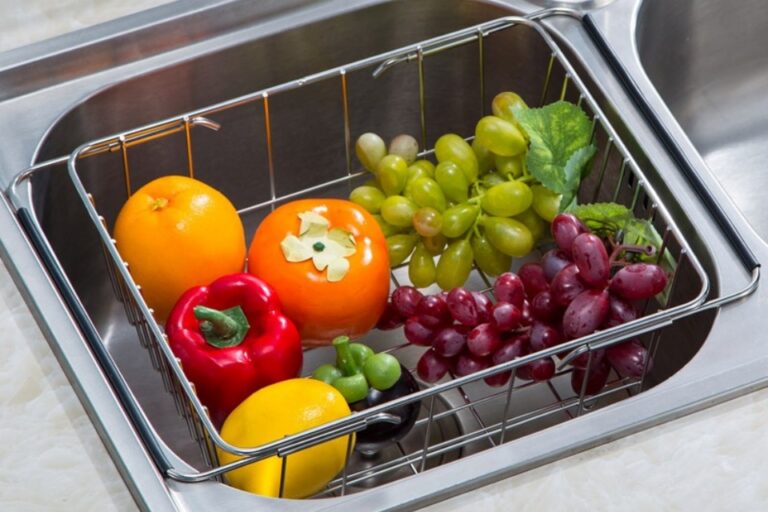
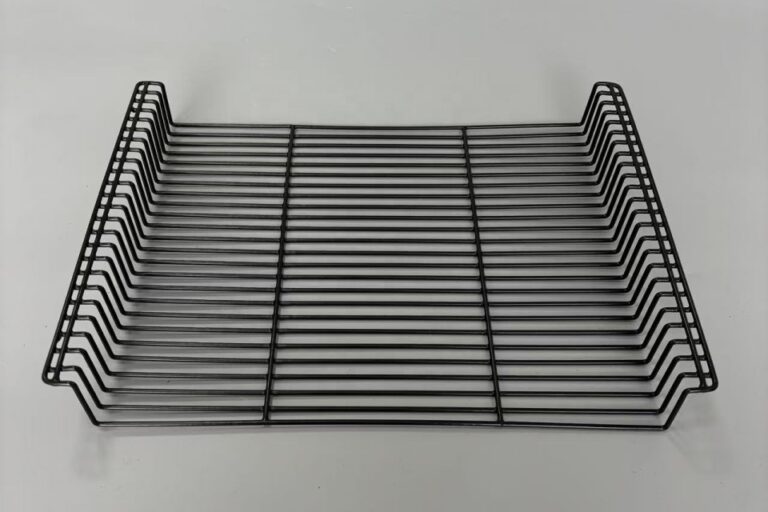
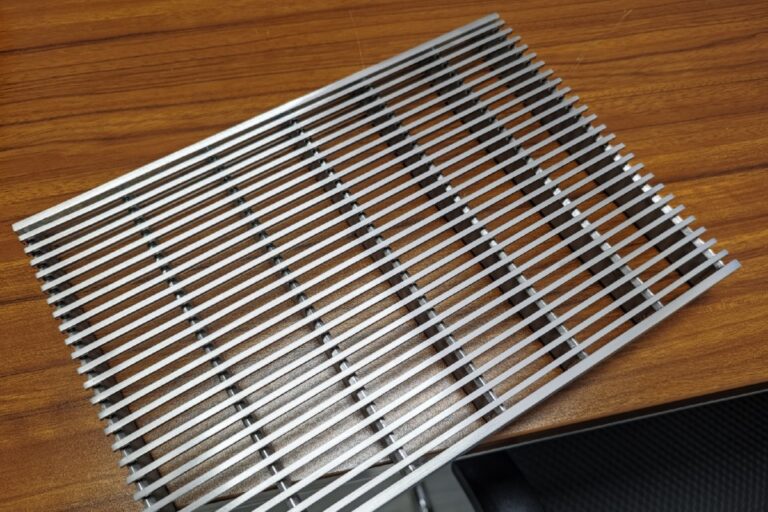
- A kitting zone near SMT that uses strong, open prateleiras de arame para frigoríficos comerciais to stage reels, trays, and feeders by product family.
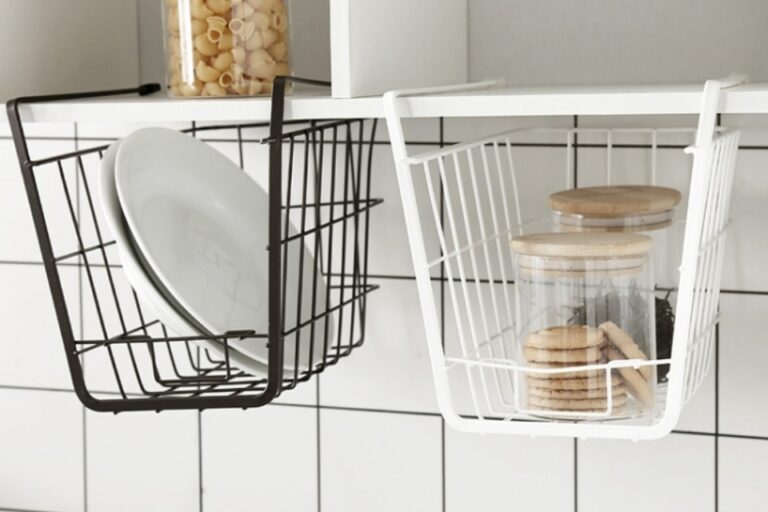
- Labeling, bin dividers, and hooks built into the shelving so operators see “next job” at a glance.
It looks simple, but it removes a lot of non-value “walking time” before you even switch on a robot.
Odd-Form Component Automation Cells for PCB Lines
Next big headache is odd-form components:
- Heavy relays
- Tall electrolytic capacitors
- Connectors with side locks
- Mechanical parts, big heatsinks
Standard pick-and-place machines don’t like these. So you end up with a “hand insert” station that always becomes the bottleneck.
Custom odd-form cells normally combine:
- A small robot or servo gantry
- Quick-change grippers and nests
- Vision for orientation and offset
- Custom fixtures tuned to your board
You don’t have to automate every single part. Many plants start with one or two parts that hurt OEE the most.
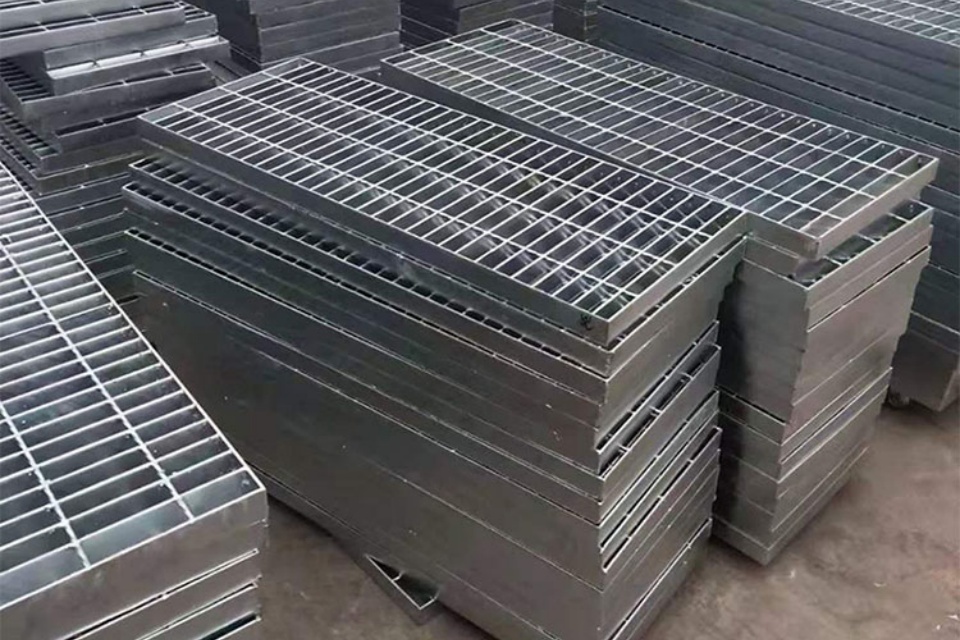
Here again, material flow is key. If odd-form parts live in random boxes, your robot will wait for human all the time. But if they sit on a dedicated grelha de arame para frigoríficos comerciais designed as a “supermarket” for odd-form, operators can refill fast, and the cell never starves.
You can even design special shelves or hooks for:
- Trays
- Returnable totes
- Custom pallets for QIAO projects or NPI builds
Inline AOI, Test, and MES Integration
Custom automation isn’t only about moving parts. It also about seeing and tracking.
Modern lines use:
- Inline AOI / SPI to catch solder problems early
- Teste de funcionamento and in-circuit test for complex boards
- MES to track each board and each defect
When you design a custom cell, you want the following to be part of the spec, not an afterthought:
- Board ID scan (barcode, 2D code, RFID)
- Automatic pass/fail routing
- Data push into MES, not just a local CSV file
- Clear signals for operators: Andon light, simple HMI, clear next action
This makes it easy to prove to your customer that:
- You know where each board came from
- You know what station touched it
- You can trace back any field failure
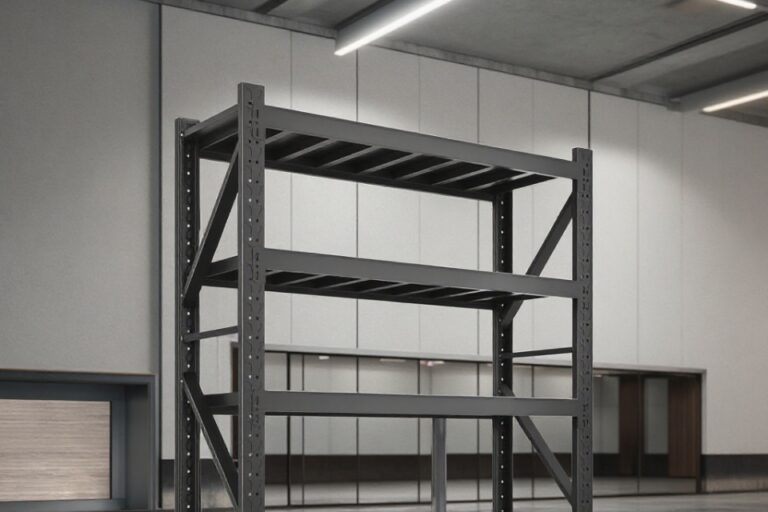
Good news: AOI, fixtures, and testers are often compact. They can sit right beside your storage zone, on the same frame or rack structure. Many customers mount test jigs or screens directly to heavy-duty wire rack uprights. So your automation cell and your shelving play together as one modular station.
Design for Automated Assembly (DFAA) Before You Buy Robots
A lot of automation projects fail because the product design fights the equipment.
This happens when:
- Component keep-out zones are ignored
- No thought for how a gripper will hold the board
- Tall parts too close to edge, so clamp cannot close
- Test points hidden under shields
So before you order a robot, you should run at least a simple DFAA / DFM review:
- Can we group connectors in a straight line to reduce robot moves?
- Can we standardize on one or two package styles?
- Do we have reasonable panelization for conveyors and buffers?
- Can test pads be reachable without crazy fixtures?
You can invite your automation partner and also your storage provider to this step. Why storage? Because layout and buffering depends on both machines e racks:
- How many panels wait before AOI?
- How many totes or trays sit between odd-form cell and test?
- Do you need ESD-safe shelving or heavy-duty cold room racks?
If you think about it early, you avoid ugly “metal patchwork” around your shiny new cell.
Collaborative Robots, Vision, and Modular Workcells
Another big trend is collaborative robots (cobots) and small modular workcells. They fit PCB assembly well because:
- They don’t need huge safety fences in many case
- They’re easier to reprogram for new SKUs
- You can move them between lines when mix changes
Typical PCB cobot scenarios:
- Final screwdriving of PCB into chassis
- Packing finished boards into trays
- Labeling, marking, or small rework tasks
- Simple hand-off from reflow to buffer racks
Add a vision system, and you can:
- Pick boards from a tray on a rack
- Verify orientation
- Inspect simple features while you handle parts
These workcells nearly always stand next to some kind of rack or shelf. So it makes sense to design them together:
- Cobot table bolts to a wire shelving frame
- Upper levels hold trays and WIP
- Lower levels hold tools, bins, and reels
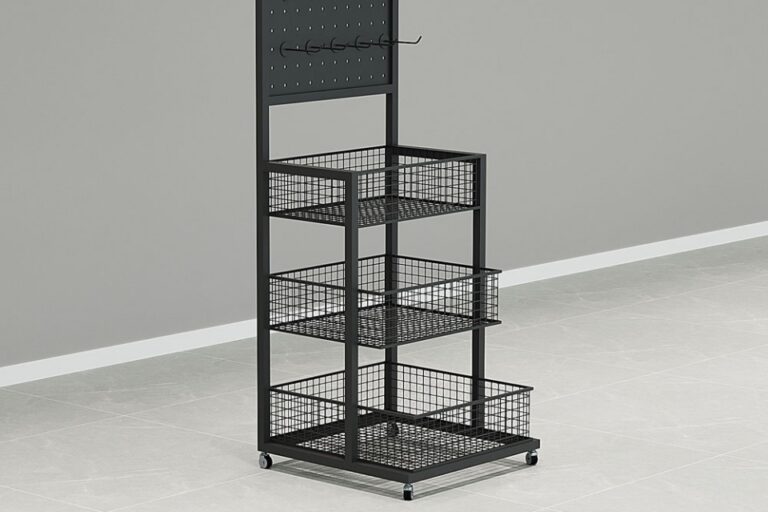
- Casters turn the whole thing into a mobile “QIAO cell” you can roll to another line
Because QIAO also does custom ODM/OEM for wire shelving, you can turn these ideas into real hardware: special brackets for cameras, fixed stops for totes, even integrated cable channels.
KPIs, ROI, and a Phased Automation Roadmap
You don’t need a complex spreadsheet to see if your custom automation works. Keep the KPIs simple:
- Tempo de transição
- First-pass yield
- Operator walking distance
- WIP between stations
- Line uptime (OEE trend, even if rough)
A smart approach is phased rollout:
- Pilot cell
- Pick one painful process: maybe odd-form insert or manual packing.
- Build a small cell with one robot and simple fixtures.
- Use basic wire racks for in/out buffering.
- Stabilize and learn
- Tweak grippers, nests, and programs.
- Adjust the rack layout so operators don’t cross paths all day.
- Fix the “small stupid things” like label position or bin size.
- Scale and standardize
- Copy the successful pattern to other lines or products.
- Use the same shelf dimensions and rack spec for all cells.
- Create a library of “QIAO modules”: cell types, rack types, fixture types.
This way you build a repeatable playbook, not a one-time science project.
Comparison Table: From Challenges to Custom Automation + Storage Solutions
Below is a simple table you can reuse. It shows how custom automation plus smart shelving can answer common PCB assembly problems.
| PCB assembly challenge | Custom automation focus | Storage / rack strategy | Business impact (no cost math) |
|---|---|---|---|
| HMLV with many SKUs and frequent changeover | Flexible programs, shared fixtures, recipe-based setup, modular workcells | Kitting zones on prateleiras de arame para frigoríficos comerciais grouped by product family; clear labeling | Shorter changeover, less chaos before each run, fewer picking errors |
| Odd-form insert bottleneck | Small odd-form robot cell with quick-change grippers and vision | “Supermarket” layout on grelha de arame para frigoríficos comerciais; fixed tray locations | Higher throughput at the slowest station, more stable line balance |
| Poor quality and weak traceability | Inline AOI, simple functional test, MES connection to each station | Racks for NG boards, rework bins, and quarantined material; clear physical flow | Lower rework load, easier audits, faster root-cause analysis |
| Design not friendly to automation | Early DFM/DFAA review with equipment and fixture suppliers | Standard rack footprint reserved in layout; clear space for pallets and totes | Fewer late design changes, smoother NPI ramp, less panic before SOP |
| Labor shortage and ergonomic risk | Cobots for packing, handling, final assembly; vision-guided tasks | Mobile rack+robot cells that can move between lines; fixed height shelves | Better ergonomics, easier staff training, flexible capacity where you need it |
Where Custom Wire Shelving Fits Into Your Automation Story
When people think “custom automation”, they picture robots and controllers. But the humble rack is part of the system:
- It defines how material flows in and out
- It decides how far operators walk
- It supports scanners, screens, lights, trays, reels, totes, and jigs
At QIAO, we make serviços de fabrico de estantes metálicas por medida that match your automation plan:
- Wire shelving and rack solutions for SMT, THT, and final assembly areas
- Corrosion-resistant finishes that also survive cold storage or humid rooms
- ODM/OEM design so your engineering team doesn’t need to “DIY” structures
- Integration with freezer and cold-room components when your parts need temperature control
So when you plan your next PCB automation project, don’t only ask “what robot do I buy?”. Ask also:
“What does the whole cell look like, from feeder to rack to finished board?”
If you design the automation and the estantes metálicas together from day one, the line feels smoother, operators happier, and the numbers on your dashboard start to move in the right direction—even without any complicated cost formulas on paper.