Addressing Common Causes Of Misalignment In Pick-And-Place Machines
Quick, shop-floor fixes for pick-and-place misalignment: spot systematic vs random offsets, tune fiducials, feeders, nozzles, vacuum, vision, drift on SMT line
Then AOI starts screaming. Then the line goes “line-down.” Then everybody’s staring at you like you broke the universe.
If you’ve been there, you already know this truth: most misalignment problems aren’t “mystery defects.” They come from a few repeat offenders—board alignment, feeders, nozzles, vacuum, vision, and calibration drift. You just need a clean way to spot which one it is, fast.
Оглавление
Misalignment Triage: Systematic Offset Vs Random Offset
Before you touch a screwdriver, answer one question:
Does the whole board shift the same way, or does it jump around?
Systematic offset: everything is off in the same direction (X/Y), or rotated the same way (Theta). That usually screams board alignment / fiducial / coordinate issue.
Random offset: some parts are perfect, some are rotated, some are off-center. That usually points to pickup/centering instability: feeder, nozzle, vacuum, or vision consistency.
This first split saves a lot of dumb guesses. No shame. We’ve all guessed wrong at 2 a.m.
Fiducial Alignment And PCB Vision: The “Whole Board Moves” Problem
When your fiducials don’t read clean, the machine “thinks” the board sits somewhere else. Then it places все somewhere else. Simple, painful.
What it looks like
Every component drifts the same way.
Rotation error looks consistent across the board.
The board edge parts look worse (because the math error shows more at distance).
What usually causes it
Fiducials are dirty, oxidized, or low contrast.
Wrong fiducial size/shape in the program (bad teach).
Board clamping changes position run-to-run.
Warped board that “lays different” every cycle.
Quick fixes that work in real life
Clean the fiducials and camera window. Yes, again.
Re-teach fiducials with correct shape settings.
Check clamp pressure and rail alignment. If the board can wiggle, it will.
If boards are warped, add support pins and stop treating it like “normal.”
Feeder Pitch, Tape Drag, And Pick Position Drift
If the feeder isn’t consistent, you can’t place consistent. Period.
Feeder issues don’t always throw alarms. They just quietly ruin your placement until you notice scrap bins filling up. Annoying.
What it looks like
Same part number, same feeder, different results.
Problems start right after a reel change or splice.
Offsets look “directional” but not board-wide.
Typical root causes
Pitch mismatch or feeder timing drift.
Tape drag, cover tape peel issues, pocket damage.
Reel tension changes mid-run.
Poor splicing that bumps the tape path.
Practical checks
Compare pickup images between “good” and “bad” cycles.
Watch the tape advance and peel angle. If it jerks, it’s not stable.
Swap the feeder with a known-good one. This test is ugly but fast.
Nozzle Runout, Nozzle Center, And Wear: Small Parts Hate This Stuff
Nozzles don’t stay perfect forever. They get wear. They get dirt. They get tiny dents you can’t see unless you really look. And then… misalignment shows up like a ghost.
What it looks like
Rotation errors that come and go.
Off-center placement tied to specific nozzle IDs.
More rejects on small passives, fine pitch, and odd shapes.
The common causes
Nozzle center calibration is off.
Nozzle runout (wobble) increases over time.
Nozzle tip has contamination or damage.
Wrong nozzle type for the part (bad grip, bad centering).
What to do first
Clean or replace the nozzle. Don’t overthink it.
Re-check nozzle center calibration (after cleaning, not before).
Track defects by nozzle ID. If one nozzle is “cursed,” it’s not cursed. It’s worn.
(And yeah, sometimes a nozzle looks fine but it’s not. That’s the fun part.)
Vacuum Stability And Pickup Quality
Vacuum issues don’t always mean you drop parts. Sometimes you “sorta pick” the part. That “sorta pick” becomes a “sorta place,” and AOI goes wild.
What it looks like
Random shifts, random rotations.
Occasional upside-down parts or skew.
Pickup height errors or inconsistent centering behavior.
Usual causes
Leaks in the vacuum path.
Dirty filters.
Worn seals.
Vacuum timing that doesn’t match the part weight/shape.
Easy wins
Replace filters on schedule (not “when it’s bad”).
Check tubing and seals during planned maintenance.
Confirm pickup timing for tricky parts. Some parts just need a tiny tweak.
Vision Lighting, Camera Cleanliness, And “Teach” Parameters
Vision can be perfect for months. Then one day the lighting shifts, or the lens gets haze, or the background changes… and suddenly your machine “sees” a different part.
Not because the part changed. Because your vision settings got fragile.
What it looks like
Angle errors (Theta) that don’t match reality.
Vision finds the part… but with jumpy results.
False rejects, or re-tries that slow down placement.
What causes it
Lens dirt, reflections, shadowing.
Wrong package model or body outline settings.
Contrast too low for dark parts, too hot for shiny parts.
“Good enough” teach that never was good.
What fixes it
Clean lens and lighting covers. It’s boring but works.
Validate the package library. Don’t trust ancient models.
Tune lighting for stable edges, not pretty images.
Sometimes you just gotta re-teach it. I know, nobody likes it. Do it anyway.
Placement Calibration, Mapping, And Long-Term Drift
Machines drift. Rails wear. Encoders age. Even temperature changes can mess with repeatability. If you never verify placement accuracy, you’re basically hoping the machine stays young forever.
What it looks like
Gradual increase in offsets over weeks.
Different error patterns by board area.
“It used to run fine” becomes daily vocabulary.
What to do
Run a repeatable verification routine (golden board, check pattern, your standard).
Schedule mapping / calibration checks as real maintenance, not emergency work.
Keep logs. If you don’t log it, you’ll argue about it later.
And yes, sometimes the issue is mechanical. Sometimes it’s just worn. That’s life.
Board Warpage, Support Pins, And Conveyor Setup
If the PCB bends, the camera focus changes, pickup height changes, and placement depth changes. It’s not magic. It’s physics being annoying.
What it looks like
Errors concentrated in one corner or one edge.
The same board runs different when the room is warmer.
Parts near tall connectors skew more often.
Fixes that actually help
Add support pins under the critical area.
Make sure rails clamp evenly.
Confirm your board handling isn’t twisting the panel.
Don’t Confuse Placement Misalignment With Reflow Shift
Here’s a classic trap: you see misalignment after reflow and blame the PnP machine.
But if the part sits fine before reflow, and slides after reflow, you’re dealing with solder paste, pad design, or thermal behavior. Different problem. Different team. Same headache.
So do this simple check:
Before reflow looks wrong → start at PnP (this article).
Before reflow looks fine, after reflow looks wrong → look at stencil, paste volume, pads, and profile.
Quick Reference Table: Cause → Symptom → Fast Check → Fix
Likely Cause
What You See
Fast Check
Fix First
Fiducial / PCB vision
Whole board shifts same way
Clean fiducials, re-run align
Re-teach fiducials, improve contrast
Feeder pitch / tape drag
Random offsets, worse after reel change
Swap feeder, watch tape motion
Repair/replace feeder, fix splice/tension
Nozzle center / runout
Rotation or offset tied to nozzle ID
Track defects by nozzle
Clean/replace nozzle, re-calib center
Vacuum instability
Jumpy results, occasional skew
Check vacuum alarms/logs
Replace filters, check leaks, tune timing
Vision lighting / teach
Theta errors, jumpy recognition
Clean lens, validate package model
Adjust lighting, re-teach model
Calibration drift / mapping
Slow decline over time
Run verification pattern
Schedule calibration, inspect mechanics
PCB warpage / support
Errors in one board region
Inspect warp, add supports
Add pins/support, fix clamping/rails
Reflow shift (not PnP)
Only wrong after reflow
Compare pre/post reflow AOI
Adjust stencil/paste/profile/pads
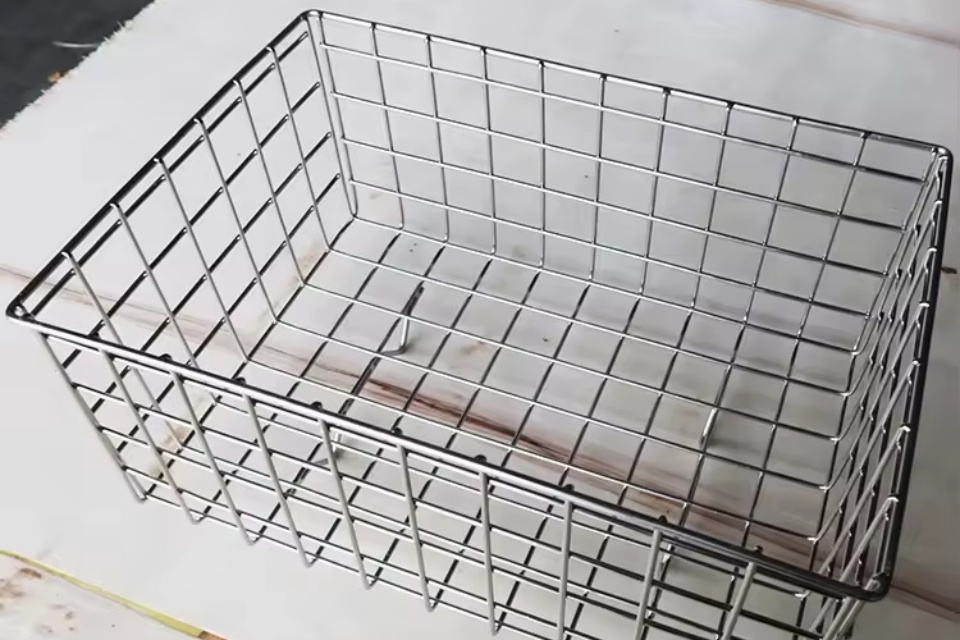
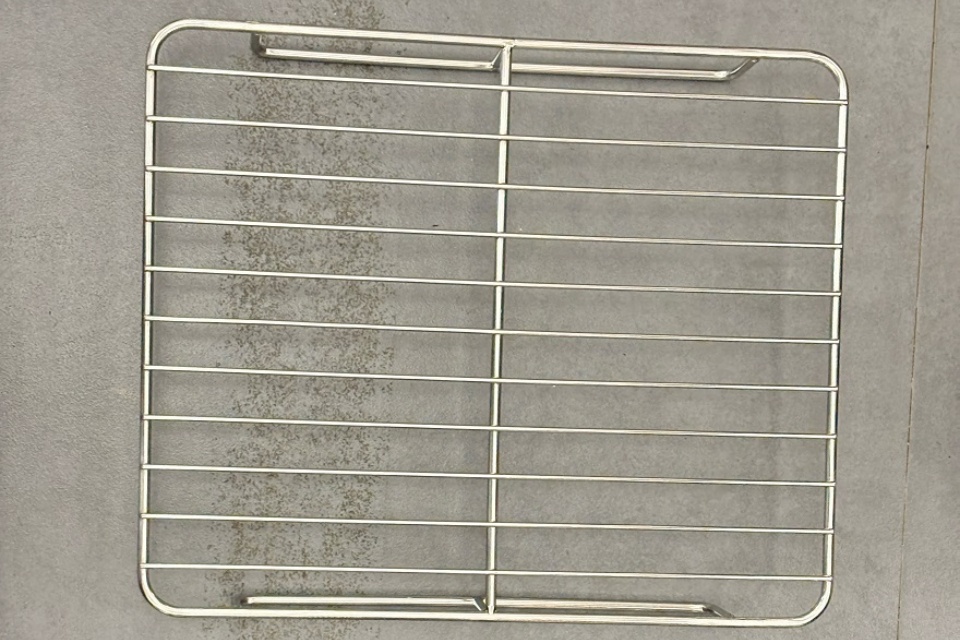
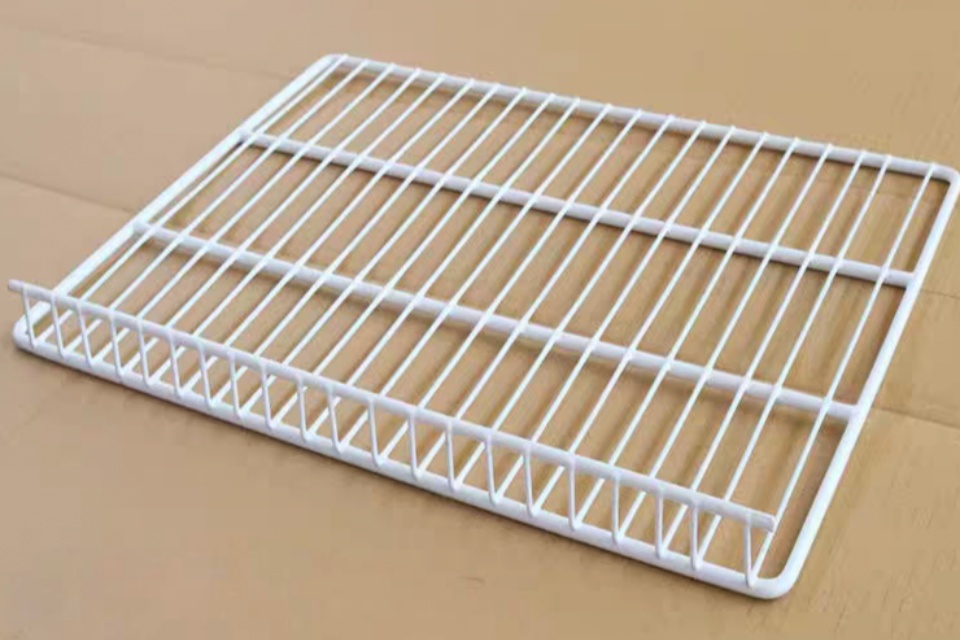
Where Wire Shelving Fits: Keep The Line Stable, Not Just “Organized”
Now, quick pivot. If you run SMT inside refrigeration equipment, commercial display cabinets, or cold-room control systems, you’re not only building boards. You’re building a supply chain that can’t pause.
This is where physical workflow matters.
A messy line creates mistakes:
Mixed reels.
Wrong nozzles on carts.
Feeder carts that “borrow parts” and never return them.
Poor ESD handling in storage corners.
Spare parts stored wherever there’s space (which means nowhere good).
If you want fewer “oops” moments, you need storage that matches the line rhythm.
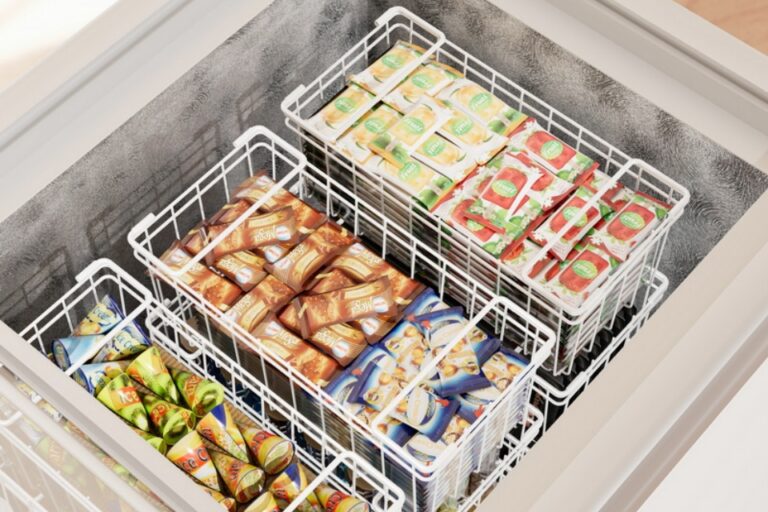
На сайте ЦЯО, we build custom ODM/OEM wire shelving that supports production flow, kitting, QA, and service stock. You can bring a drawing, or let us design it with you. We build for corrosion resistance, fast lead times, ISO quality control, and global shipping—so your layout stays consistent across sites.
For cold-room and refrigeration environments, two common setups work well:
It’s not “just shelves.” It’s how you keep the right parts in the right place when the line is moving fast and people are tired.
And yeah, if your team keeps losing feeder accessories, the shelf won’t fix everything… but it helps a lot. Like, a lot.
Wrap-Up: Fix Misalignment Like You’re Trying To Save The Shift
Misalignment usually isn’t random. It only feels random when you don’t have a method.
Use this flow:
Decide systematic vs random.
If systematic, hit fiducials/board alignment first.
If random, hit feeder → nozzle → vacuum → vision.
If it shows only after reflow, stop blaming PnP and check solder process.
Do that, and you’ll fix more issues in minutes—not hours. Your AOI will chill. Your FPY will climb. And your team will stop giving you that look.
Also, when you build boards that live in cold equipment, you end up caring about Задняя сетка и Компоненты морозильника more than you expected. It’s all connected, kinda.
Производитель проволочных полок на заказ с низким MOQ (50 комплектов). Гибкие заказы OEM и дистрибьюторов, промышленные прочные стеллажи, созданные по вашим спецификациям.
Цикл поставки и поддержка
Быстрое производство и доставка по всему миру. Поддержка 24/7, надежная логистика для холодильного оборудования, компонентов морозильных камер и проволочных стеллажей для напитков по всему миру.
Качество и сертификация
Поставщик стеллажей, сертифицированных по стандартам ISO 9001, NSF и CE. Строгий контроль качества обеспечивает долговечность промышленных проволочных стеллажей и стеллажей для напитков по всему миру.