A practical guide to selecting genuine SMT nozzles and feeder parts: what fails, what to check at receiving, and how to keep pick accuracy steady on busy lines.
You don’t buy spare SMT nozzles and feeder parts because you love shopping. You buy them because the line can’t stop. And when it stops, everyone feels it.
Here’s the tricky part. A nozzle or feeder can look “fine” on a desk. Then it hits the machine at speed. Suddenly you get mis-picks, rotated parts, flying chips, and AOI yelling at you all day.
So let’s talk like people on the shop floor. Not like a brochure.
Table of Contents
SMT Nozzle Selection for Pick-and-Place Vacuum Stability
A nozzle does one simple job: pick, hold, place, release. If it can’t do that the same way every cycle, your line turns into a guessing game.
Vacuum loss and seal quality
When vacuum drops, you see it fast:
Pick errors jump.
Parts slide during travel.
Tiny parts get “kissed” and then dropped.
Genuine nozzles usually keep hole geometry, surface finish, and sealing face consistent. That consistency is boring. Boring is good.
Nozzle wear and placement height drift
Nozzles wear. They also get shorter. And yeah, it sounds small. But the Z-height is not a joke.
When height drifts:
Parts don’t seat into paste the same way.
You start chasing “random” tombstones or opens.
You tweak offsets… and it still feels off.
If you’ve ever said “why it keeps doing that?”, this is one common reason.
Sticking nozzles and repeatability
A sticking nozzle is a silent killer. It moves fine… until it doesn’t. Then it spikes rejects like a bad mood.
Genuine spares tend to keep better fit and motion tolerance. Not magic. Just better control.
SMT Feeder Parts for Tape Indexing Accuracy
Feeders look tough. But inside, they’re picky.
If the feeder doesn’t index right, the best nozzle in the world can’t save you.
Pitch control and indexing timing
You want the tape to land in the same spot, every time. If it shifts:
The nozzle hits the pocket wall.
The part tips.
The camera sees weird rotation.
You lose cycle time doing extra vision retries.
Cover tape peel force and drag
This one gets overlooked. A worn peel mechanism or cheap replacement parts can change drag. Then you get:
inconsistent peel,
pocket lift,
parts popping,
extra feeder alarms.
It’s not always “bad tape.” Sometimes it’s the feeder guts.
Feeder wear patterns you can spot early
Watch for:
intermittent pick fails on one lane,
more retries on one package size,
“only fails at high speed” problems.
That’s usually mechanical drift, not operator skill. (Sorry, but true.)
Failure Modes You’ll See When Spares Aren’t Genuine
Below is a practical table you can drop into your internal SOP. No finance talk. Just signals and actions.
Symptom on the line
Likely root cause
Quick checks
Why genuine parts help
Rising pick errors (same part, same station)
Vacuum leak, worn nozzle tip, dirty seal face
Check vacuum trend, inspect tip wear, clean seating area
Incoming Inspection and Traceability for Spare Parts
If you only do one thing, do this: treat spares like components.
Not “just maintenance stuff.”
What to verify when parts arrive
For nozzles:
correct part number and labeling
visual finish (chips, burrs, plating issues)
critical dimensions (basic checks, not fancy lab work)
fit on the head (no wobble, no sticky motion)
For feeder parts:
correct revision (this one bites people)
material feel and hardness “sense check”
smooth motion under hand load
matching packaging labels and batch info
Why traceability saves your weekend
When something goes wrong, you want to answer:
Which lot did we install?
Which line used it?
What changed right before the defects started?
Without traceability, you end up doing “tribal knowledge debugging.” It’s messy. And it wastes time.
Preventive Maintenance That Actually Fits Real Production
A lot of PM plans look great on paper. Then Monday hits and no one has time.
Try this instead:
Track the top 3 nozzle types by usage. Focus there first.
Tag feeders that drive the most volume. Give them priority.
Rotate known-good nozzles into high-mix lines. Keep risky spares out.
Small habits beat big posters. Most of time.
Cooling System Protection and the Fan Mesh Cover Mindset
You might ask, “Why are we talking about wire products in a nozzle post?”
Because the mindset is the same: genuine protection parts prevent ugly surprises.
In refrigeration and ventilation systems, a guard or mesh cover is not “just a cover.” It protects airflow paths, stops debris hits, and reduces accidental contact risk.
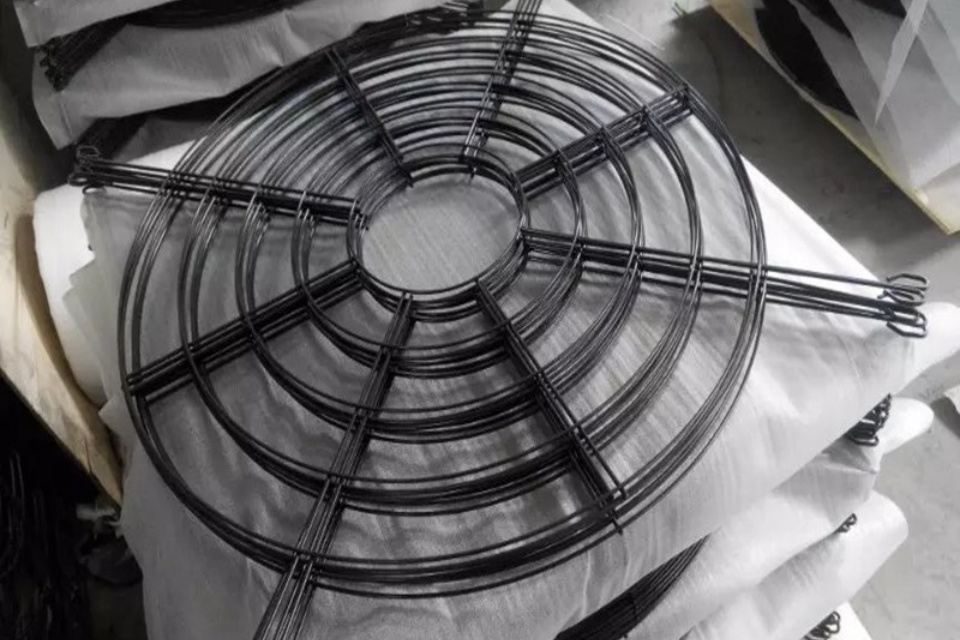
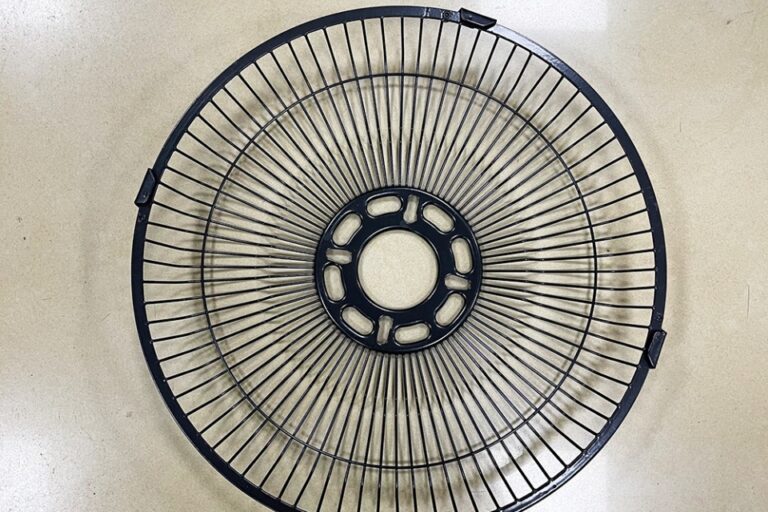
If you’re sourcing protective mesh parts for cooling equipment, check out our Fan Mesh Cover options. It’s built for ventilation and refrigeration scenarios, and it’s customization-ready for OEM builds.
Same rule applies here:
wrong fit = vibration and noise
weak mesh = dents and failures
bad coating = rust, then complaints, then returns
Not fun. Not worth it.
OEM/ODM Support That Makes Spare Parts Less Painful
If you run multiple models, you already know the headache: one “small” part turns into five versions.