
If you run an SMT line, you already know the feeling. One day the line runs smooth. The next day you’re chasing weird defects. Solder balls. Sticky flux. Random SIR drift. And everyone asks the same question: “Did we clean it right?”
Here’s my take. A cleaning machine isn’t “just a washer.” It’s a reliability tool. It protects yield, keeps audits calm, and saves you from the rework loop.
Let’s walk through the features that actually matter, in real factory scenarios.
Table of Contents
SMT cleaning machine cleaning method
Cleaning method decides what you can remove and where you can reach. If you pick the wrong method, you’ll be scrubbing symptoms forever.
Spray-in-air cleaning for flux residues
Spray-in-air works well when you need strong mechanical action. It’s common for post-reflow board cleaning and for fixtures.
Look for:
- Adjustable spray pressure
- Smart nozzle layout (coverage beats “more force”)
- Program recipes for different assemblies
Factory talk: If your line keeps seeing “white residue” after drying, spray-in-air plus weak rinse control often plays a part.
Spray-under-immersion for tight standoff components
If you build dense boards (BGA, QFN, low standoff), you need flow to get under parts. Spray-under-immersion helps because the jets work inside liquid, not open air.
Look for:
- True immersion spray stages
- Strong fluid exchange under components
- Gentle handling for fragile parts (no board flex)
This is where lots of people mess up. They buy “powerful” spray, but it still can’t reach the trapped zones.
Ultrasonic cleaning for stubborn contamination
Ultrasonic can help on tough soils and complex shapes. But it can also stress sensitive parts if you overdo it.
Look for:
- Sweep frequency / power control
- Validated settings for your product type
- A process that avoids “hot spots”
Use it like a scalpel, not a hammer.
Process control: temperature, concentration, spray pressure, time
You don’t want a machine that “cleans good sometimes.” You want repeatable results. That means the machine must lock down the basics.
Temperature control for cleaning chemistry performance
Most cleaning chemistries behave like this: too cold, slow and weak. Too hot, you risk damage or fast bath aging.
Look for:
- Stable heating control
- Temperature logging per batch
- Alarms when it drifts out of range
This is boring… and it’s also where many “mystery failures” start.
Concentration monitoring for wash bath stability
If you run water-based chemistry, concentration changes over time. Drag-out, top-ups, and evaporation all shift it.
Look for:
- Auto dosing or clear manual control steps
- Concentration check method (and easy access)
- Simple “recipe” storage by assembly family
When your bath wanders, your cleaning wanders. Then your yield goes sideways.
Recipe control for mixed-model production
Most SMT shops run mixed builds. One day it’s no-clean flux. Next day it’s tacky stuff that laughs at weak wash.
Look for:
- Multiple programs with permissions
- Fast changeover between recipes
- Clear UI that operators won’t hate
And yes, UI matters. If the screen feels like 2008, operators will “wing it.” That’s when trouble begins.
DI water rinse and drying system
Cleaning doesn’t end after wash. Rinse and dry make or break the final outcome.
DI water rinse quality for ionic contamination
If you rinse with poor water control, you can leave ions behind. That’s when electrical leakage shows up later, not on day one.
Look for:
- Multi-stage rinse options
- DI water compatibility
- Rinse monitoring and maintenance prompts
Simple truth: a weak rinse can undo a great wash.
Hot air drying and airflow design
Drying should be fast, even, and kind to assemblies. If you dry unevenly, you get water marks and residue bloom.
Look for:
- Controlled hot air temperature
- Airflow that reaches shadow areas
- Dryness confirmation or time controls that match load size
Don’t accept “it dries… eventually.” That kills takt time.
Filtration and bath management
If your machine recirculates dirty fluid, it will redeposit junk. Then you’ll clean, then re-dirty, then clean again. It’s a loop nobody wants.
Filtration rating and maintenance access
Look for:
- Multi-stage filtration (coarse + fine)
- Easy filter swaps (no tools, no mess)
- Clear prompts for change intervals
A machine that’s hard to maintain won’t get maintained. That’s just real life.
Bath life control and carry-over reduction
Look for:
- Skimming / separation features if you run heavy soils
- Spray pattern that reduces re-deposit
- Smart drain/fill workflows that don’t waste time
This is where total ownership headaches live. Not in the brochure.
Cleanliness verification: ROSE, SIR, ion chromatography
You can’t manage what you don’t measure. If you never verify cleanliness, you’re guessing. Guessing feels cheap… until a customer returns product.
ROSE test support for quick shop-floor checks
ROSE-style testing can help you catch big problems fast. It won’t tell you everything, but it’s a solid “is something wrong?” gate.
Look for:
- Simple sample handling
- Repeatable test workflow
- Data capture per lot
SIR testing awareness for reliability risk
SIR relates to how residues behave under humidity and voltage stress. If you ship into harsh environments, this matters more than people like to admit.
Look for:
- A cleaning process that targets ionic residues
- Documented cleaning windows for high-reliability builds
Ion chromatography readiness for deep dives
IC testing gives detail, but you won’t run it every hour. You’ll use it when you investigate a failure pattern or prep for strict customer audits.
Look for:
- A process that can produce consistent results when tested
- Traceable records for wash/rinse/dry settings
Even if you don’t own IC gear, your process should stand up to it.
Automation, traceability, and MES-friendly data
When quality asks, “What happened on that lot?”, you need answers. Not vibes.
Batch records and audit trail
Look for:
- Logged recipes, temps, times, alarms
- Operator ID and change history
- Exportable reports
This helps with ISO systems and customer audits. It also helps when you train new people.
Uptime features for avoiding line-down events
Look for:
- Quick-change filters and tanks
- Predictive maintenance reminders
- Easy spare parts access
Line down is a four-letter word in SMT. A cleaning bottleneck can become the hidden blocker fast.
SMT cleaning machine feature checklist table
Here’s a practical table you can use in a buying meeting. No fluff.
| Feature category | What to check | What problem it prevents | Shop-floor clue |
|---|---|---|---|
| Cleaning method | Spray-in-air / immersion / ultrasonic options | Can’t reach under low standoff parts | “We still see residue under BGA” |
| Process control | Temperature + concentration + pressure + time stability | Random cleaning results, rework spikes | “Some shifts look fine, some dont” |
| Rinse system | Multi-stage rinse, DI-ready, monitoring | Ionic residue, leakage, corrosion risk | “SIR looks weird after humidity” |
| Drying | Controlled hot air, coverage, cycle consistency | Water marks, residue bloom, slow takt | “Boards look hazy after dry” |
| Filtration | Multi-stage filters, easy maintenance | Re-deposit, bath turning nasty fast | “Cleaned boards still feel sticky” |
| Verification readiness | ROSE workflow, traceable logs | No proof for audits, guessing process | “Customer wants evidence” |
| Data + traceability | Recipe logs, alarms, exportable reports | No root cause trail | “We can’t explain that lot” |
| Serviceability | Access panels, quick swaps, clear PM | Unplanned downtime | “Maintainance always gets delayed” |
Production storage and handling: where wire shelving actually helps
Let’s talk about the part people forget. Cleaning machines don’t live alone. You need staging, drying queues, and organized parts flow. If you stack boards on random carts, you’ll get handling damage and mix-ups.
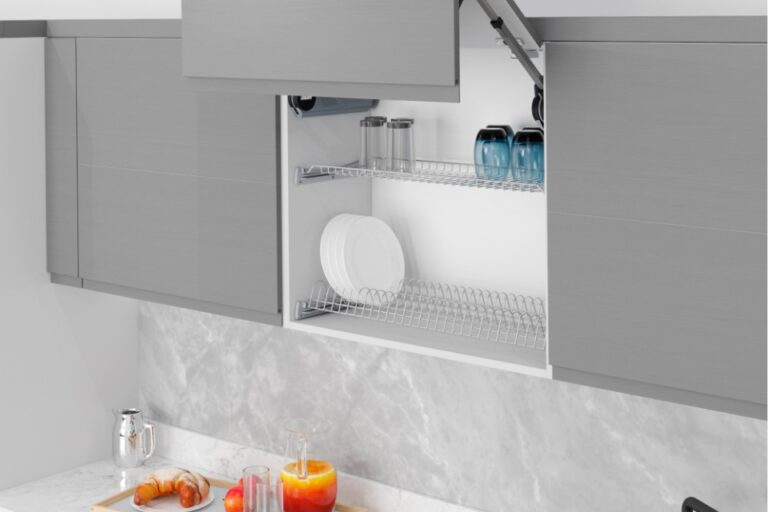
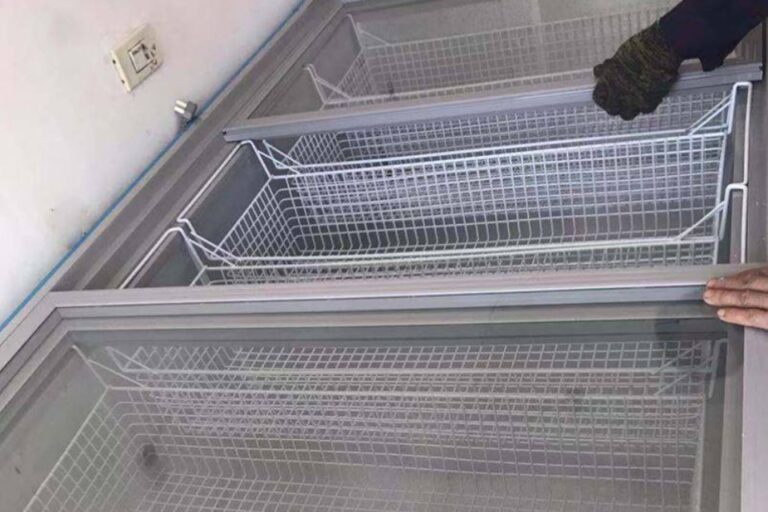
This is where wire shelving earns its keep in an SMT facility—especially around wash/dry areas, kitting zones, and QA hold points.
At QIAO, we build custom ODM & OEM wire shelving. Bring your designs or let us design for you. That includes corrosion-resistant finishes, fast lead times, and ISO-style quality control. We ship globally, so multi-site teams can standardize layouts.
Two examples that fit real shop needs:
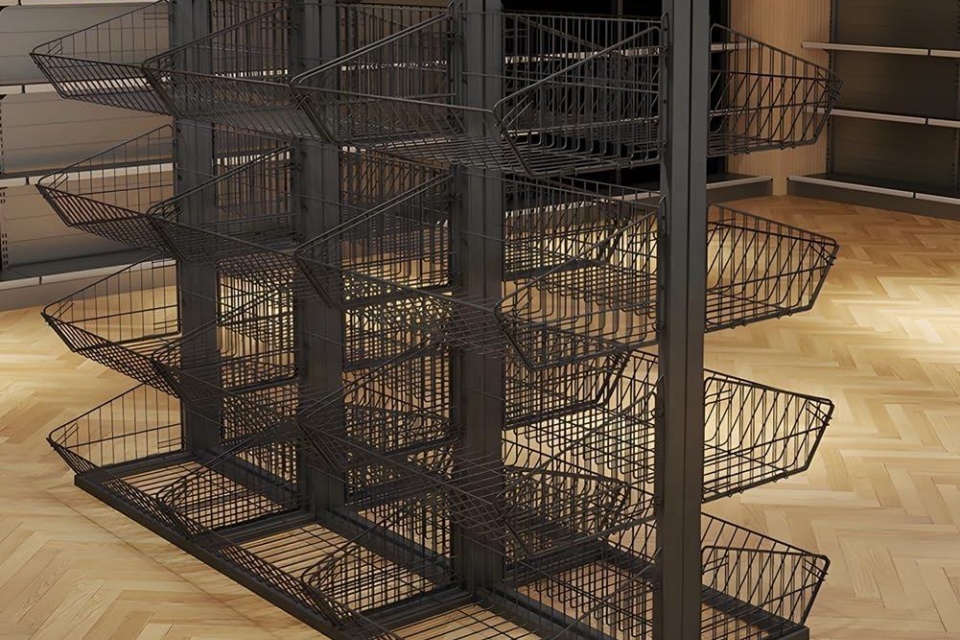
- Beverage cabinet wire shelving can work as durable staging racks in break areas, rework rooms, or QA corners where spills happen and you still need corrosion resistance. You can see the category here: https://wireshelvingmfg.com/beverage-cabinet-wire-shelving/
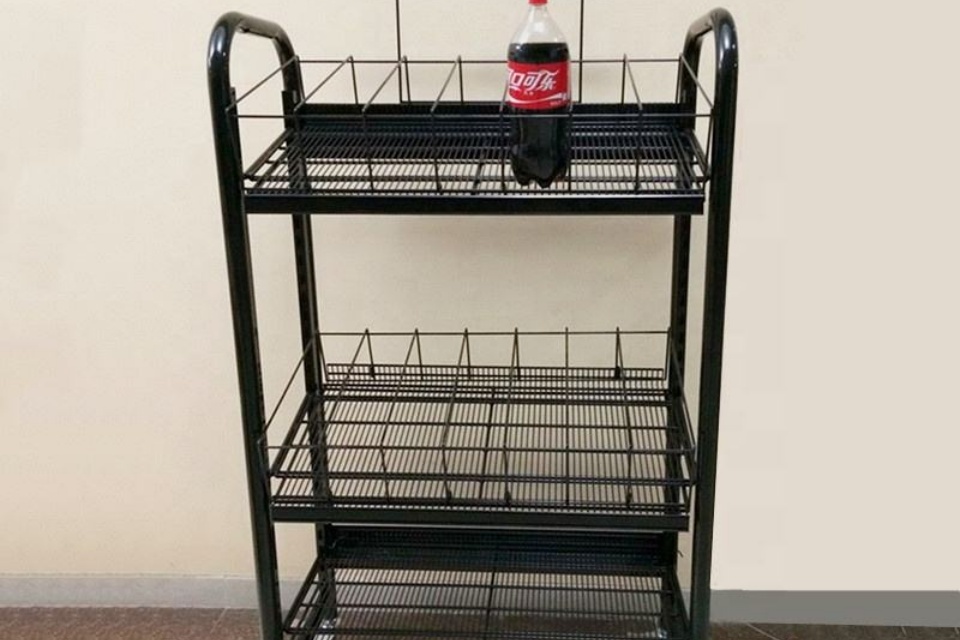
- A drink holder anti-tip wire rack style design translates well to “small-parts stability” in production too. It’s basically a mindset: stop stuff from tipping, sliding, and causing chaos. Here’s that product family: https://wireshelvingmfg.com/drink-holder-anti-tip-wire-rack/
If you want, QIAO can tweak wire diameter, spacing, coatings, and load targets to match your factory flow. You bring a sketch, or we help design it.
The real argument: buy cleaning capability, not a shiny machine
If you take one idea from this: choose features that reduce risk.
- Risk of trapped residue under tight parts
- Risk of drifting bath chemistry
- Risk of poor rinse and slow dry
When you match cleaning method + process control + rinse/dry + filtration + verification, you stop firefighting. You get your line back.
And yeah, you’ll still have bad days. But the machine won’t be one of the reasons.